
Automakers Pump the Brakes on Super Bowl Ads Amid Industry Turbulence
The roar of engines typically accompanies the spectacle of the Super Bowl, with automotive giants vying for prime advertising real estate during one of the world’s most-watched events. However, for Super Bowl 60 in 2026, the automotive industry is largely sitting on the sidelines, a stark indicator of the profound uncertainty currently gripping the U.S. market.
A Fading Presence: The Decline of Auto Ads in the Big Game
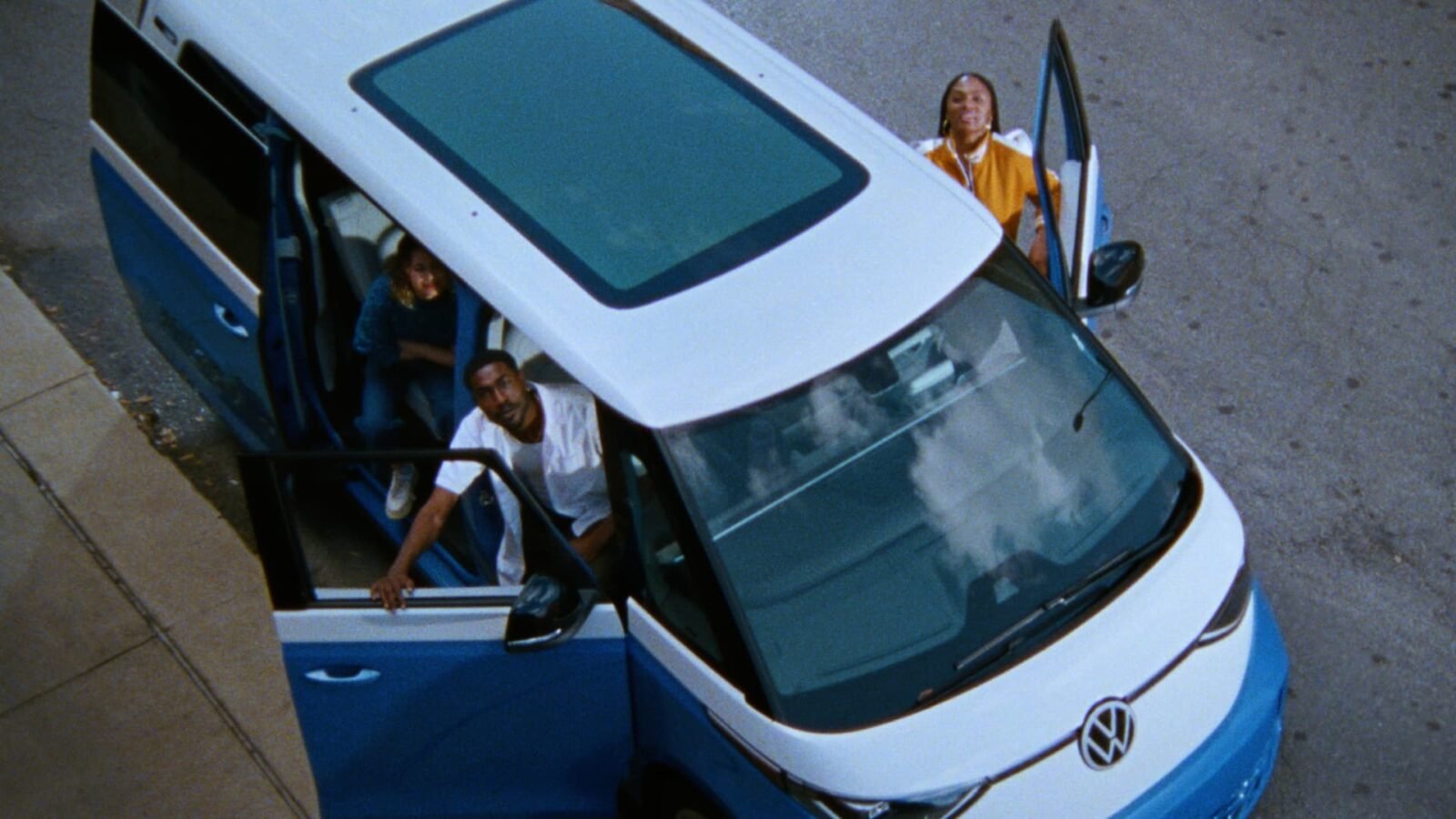
Historically, carmakers were a dominant force in Super Bowl advertising. In 2012, automakers commanded a staggering 40% of all Super Bowl ad minutes. Fast forward to 2025, and that figure plummeted to a mere 7%. This year, the trend continues, with only a handful of brands – General Motors, Toyota Motor, and Volkswagen – expected to air spots during the clash between the Seattle Seahawks and the New England Patriots.
Sean Muller, CEO of ad data company iSpot, observes this significant shift: “It’s definitely been on the decline. Autos are tightening their belts, and they’re probably pulling back on their budgets, and certainly that’s reflected. I think the Super Bowl is a good barometer for all of this.” The expected two minutes of automotive advertising this year, spread across just three brands, underscores a broader industry re-evaluation.
Behind the Pullback: Industry Headwinds and Economic Realities
The automotive industry has navigated a turbulent landscape since 2020. The initial shocks of the coronavirus pandemic and subsequent supply chain disruptions gave way to new challenges, including escalating tariffs and a recalibration of strategies around all-electric vehicles (EVs). These factors have collectively cost companies billions of dollars, forcing a more conservative approach to spending.
The financial strain is palpable. Last year, Chrysler parent Stellantis was the sole automaker to advertise, running two ads totaling three minutes. This year, even their usually prominent presence is absent, signaling a strategic pivot away from the high-stakes, high-cost Super Bowl platform.
Cost vs. ROI: A Strategic Re-evaluation
With an average 30-second Super Bowl ad slot reportedly costing around $8 million, the return on investment (ROI) is under intense scrutiny. Tim Mahoney, a veteran automotive marketing executive, emphasizes the delicate balance required:
The Balancing Act of Super Bowl Advertising
“Super Bowl is just a massive platform, but it has gotten so expensive,” Mahoney told CNBC. “There are sometimes interesting ways to navigate around it. … Adjacencies can be smart.” He highlights the necessity of aligning the right product, ad campaign, and capital to justify such a significant outlay.
Mahoney’s own career offers examples of creative alternatives. During his tenure, Subaru sponsored Animal Planet’s Puppy Bowl, while GM’s Chevrolet brand executed a clever “blackout” ad for in-vehicle Wi-Fi just before the Super Bowl in 2015, demonstrating that impact doesn’t always require a direct, multi-million-dollar Super Bowl spot.
New Roads for Marketing: Digital, Regional, and Year-Round Engagement
Automakers aren’t simply cutting back on advertising; they’re strategically reallocating their budgets. The shift from linear television to streaming and digital video is a universal trend, and the automotive sector is no exception. “The biggest shifts that are happening are between linear and streaming and digital video. That’s occurring within pretty much every advertiser,” notes Muller.
While Super Bowl ad minutes decline, automakers are actually increasing their overall spend on live sports, now representing roughly 60% of such expenditures, according to iSpot data. This suggests a move towards more targeted, regional, and consistent advertising efforts throughout the year, rather than a single, massive splash.
Innovating Beyond the Big Game
Stellantis’s Year-Long Strategy:
Chief Marketing Officer Olivier Francois, known for past Super Bowl successes, confirms a shift: “We are going to really spread our efforts, so money and creativity, over a year. There’s no need for a peak or something in February.” Stellantis plans to focus on the 250th anniversary of the U.S. as a major marketing push, alongside business-oriented spending and a provocative social media campaign for Jeep featuring a singing fish.
- Nissan’s “Big Game” Social Play: Nissan, last seen in a Super Bowl ad in 2022, is experimenting with parallel advertising. They recently launched a comedic “Big Game” social media ad promoting a fictional “Nissan Dip Seat” – a chips-and-dip holder for its Rogue SUV, starring chef Matty Matheson. “One of the key things for us is that we wanted to kind of find a way that was more social in nature. It’s been a part of what our overall strategy has been this year,” said Nissan U.S. CMO Allyson Witherspoon.
The automotive industry’s retreat from the Super Bowl’s advertising spotlight is more than just a cost-cutting measure; it’s a reflection of a fundamental shift in marketing strategy. Faced with economic uncertainty and evolving consumer media habits, carmakers are choosing to drive their ad dollars down new, more targeted, and potentially more effective roads.
For more details, visit our website.
Source: Link