
In the ever-evolving landscape of personal computing, the quest for the perfect operating system often leads users down familiar paths, sometimes with unexpected detours. As a seasoned journalist with nearly two decades in tech, I recently embarked on such a journey, returning to the open-source embrace of Linux after a significant hiatus. My goal was simple: to resurrect a dormant 2019 Dell XPS 15, plagued by Windows’ sluggishness, and perhaps find a distraction-free writing environment. What I discovered, however, was a stark reminder that for some, Linux remains less an operating system and more an ongoing, demanding hobby.
A Nostalgic Return: The Allure of Linux Past
My relationship with Linux is not a fleeting one. Before the sleek M1 MacBook Pro and the powerful, yet problematic, Dell XPS, Ubuntu was my digital home. From 2006, starting with a ThinkPad X40, it served as my primary OS for a remarkable 13 years across multiple machines. Despite what I affectionately termed “quirks”—like the X40’s out-of-the-box Wi-Fi woes—I found genuine satisfaction in its stability and freedom. Windows was a necessary dual-boot for specific applications, and work-issued MacBooks were for testing; 99 percent of my digital life unfolded within Ubuntu’s confines.
The Shifting Sands: Why I Left the Linux Fold
The turning point arrived around 2017. As professional and personal priorities shifted, the act of “tinkering” with my laptop began to feel less like a hobby and more like a chore, an impediment to pursuing other passions. My rekindled love for music production, particularly with Ableton Live, increasingly tethered me to Windows. By 2019, the decision was made: I acquired the Dell XPS and transitioned fully, leaving my Linux days behind.
The Promise of Modern Linux: A New Dawn?
Much has transpired in the two decades since my initial foray into Linux, and even in the seven years since I last actively used it. The platform has evolved dramatically. It’s now widely regarded as a formidable contender for PC gaming, boasting impressive compatibility. Photo editing has seen the rise of capable tools like Darktable, introduced in 2009. Even commercial music production has found a home with viable options like Bitwig and Reaper, both of which have matured significantly since 2019. These advancements fueled a quiet optimism for my return.
The Installation: A Familiar Fiddly Dance
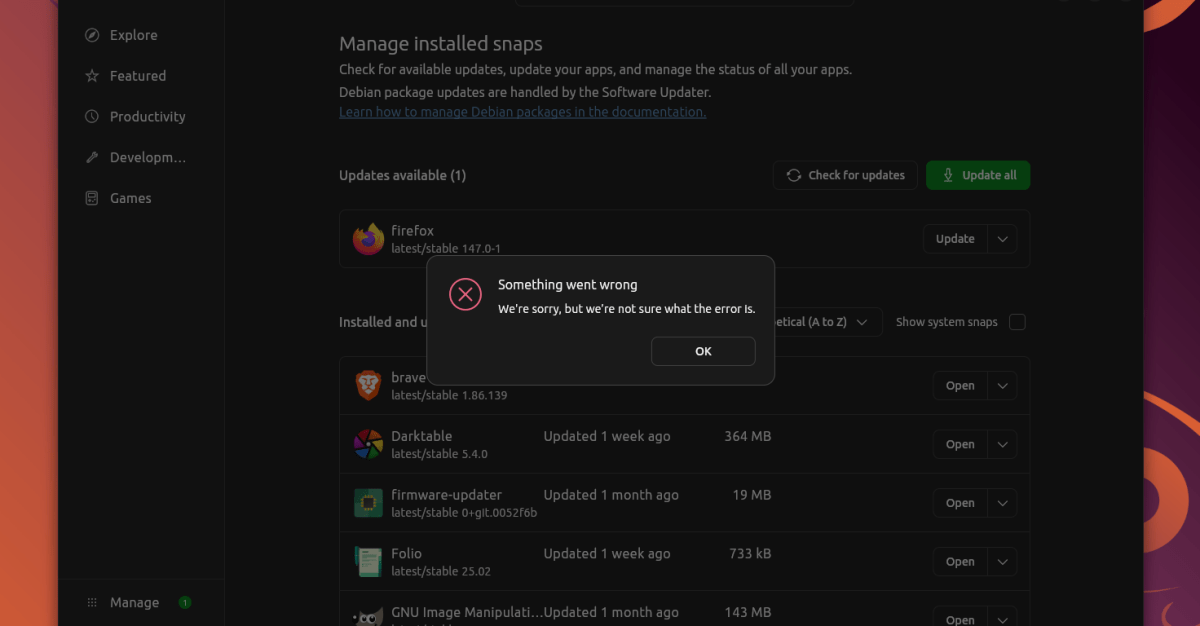
My re-entry began with Ubuntu, opting for a dual-boot setup on the XPS 15. While the installation process itself felt largely unchanged, albeit with a prettier interface, the familiar “fiddly nature” of Linux quickly resurfaced. The fingerprint reader remained stubbornly unresponsive—a minor annoyance, but a harbinger of things to come. More critically, Ubuntu struggled with updates due to an EFI partition issue, a problem that had also plagued the XPS under Windows. While I eventually forced the updates through, a nagging fear of having created a “ticking time bomb” by potentially deleting essential files persisted. For weeks, Ubuntu refused to mount my Windows partition, only to inexplicably resolve itself later.
Not Alone in the Wilderness: Shared Frustrations
My experience wasn’t isolated. Colleagues embarking on their own Linux adventures reported similar battles. Stevie Bonifield confessed to “rage quitting” after failing to connect Ubuntu to a second SSD. Nathan Edwards, exploring CachyOS, faced bizarre issues where his mouse clicks went unregistered. He also grappled with “option paralysis,” confronted by a dizzying array of four bootloaders and thirteen desktop environments. For some, this boundless customizability is the very appeal of Linux—the power to mold a system to one’s precise desires. Ubuntu, while less overt in its customization offerings than Cachy, still provides that depth.
However, as I learned during my own past endeavors of meticulously tweaking desktops and crafting bespoke note-taking tools with Obsidian, this level of customization often builds a “house of cards.” A seemingly minor library update or plugin conflict can send the entire system tumbling. My current self yearns for efficiency, for tools that simply work, rather than demanding constant attention and troubleshooting.
An OS or a Hobby? The Core Dilemma
Even when striving for simplicity, as I did with my Ubuntu XPS setup, smooth sailing is far from guaranteed. Ubuntu is celebrated as one of the most well-supported Linux distributions, and Dell has historically offered Ubuntu-certified laptops. Yet, my specific XPS 15, despite its pedigree, proved to be an exception to this assumed reliability. The expectation of a robust, “just-works” operating system clashed sharply with the reality of persistent, often inexplicable, technical hurdles.
Ultimately, my return to Linux underscored a fundamental truth: while the open-source ecosystem has made tremendous strides, particularly in niche areas like gaming and specialized software, it still carries a significant overhead for the user seeking a seamless, maintenance-free experience. For those who relish the challenge, the endless possibilities, and the deep dive into system architecture, Linux remains an unparalleled playground. But for a journalist like myself, who simply needs a reliable tool to get work done, the line between an operating system and a demanding hobby proved to be too fine, and too frequently crossed.
For more details, visit our website.
Source: Link