
The End of Cross-Platform File Sharing Frustrations? Google Expands AirDrop Interoperability to More Android Devices
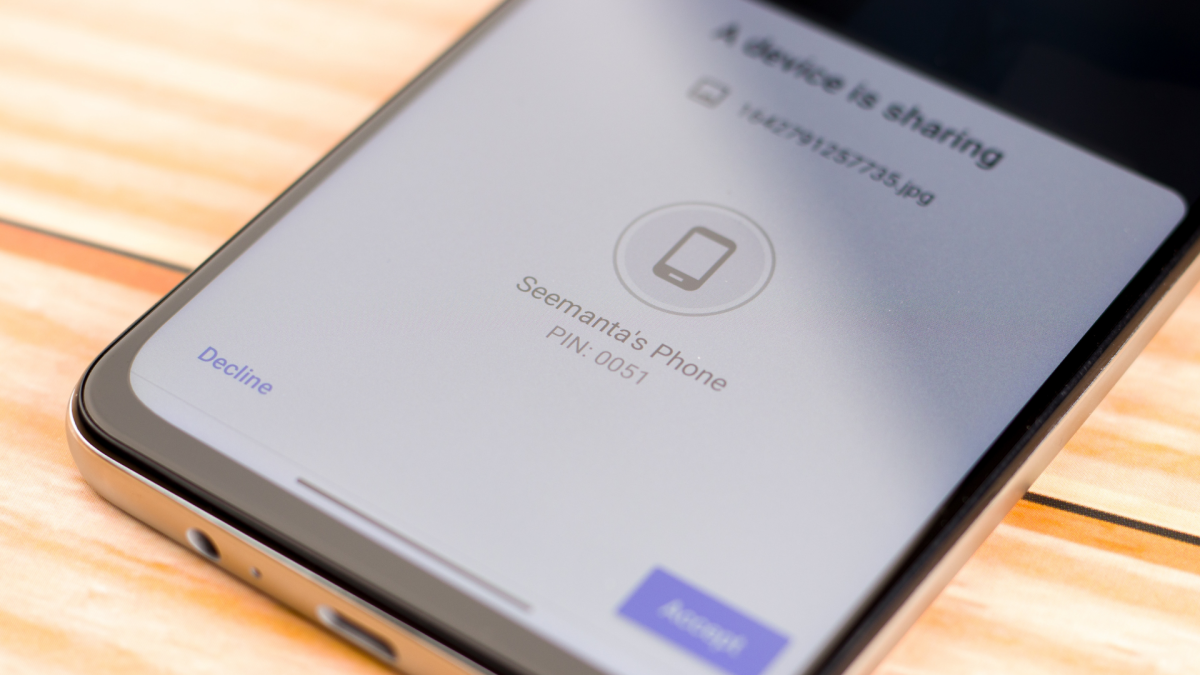
For years, the chasm between iOS and Android when it came to seamless file sharing has been a source of exasperation for users. While Apple’s AirDrop offered effortless transfers within its ecosystem, Android users often resorted to clunky workarounds like email or messaging apps to bridge the divide. Last November, a glimmer of hope emerged when Google announced AirDrop compatibility for its Pixel 10 phones via Quick Share, a feature lauded for its “seamless” integration. Now, Google is set to democratize this convenience, confirming plans to roll out AirDrop interoperability to a much wider array of Android devices.
A Game-Changing Expansion: Beyond Pixel
The initial integration on Pixel 10 devices was a significant step, allowing these phones to effortlessly exchange photos and files with iPhones, iPads, and Macs. The experience was so fluid that, as one colleague noted, it felt as if Quick Share and AirDrop “were built this way from the beginning.” However, the vast majority of Android users remained on the outside looking in. That’s all about to change.
At a recent event, Eric Kay, Android Vice President of Engineering, officially confirmed Google’s ambitious plans. “Last year, we launched AirDrop interoperability. In 2026, we’re going to be expanding it to a lot more devices,” Kay stated, signaling a major shift in cross-platform connectivity.
How Quick Share Became the Bridge
While some Pixel features are exclusive due to specialized system components, Google’s approach to AirDrop compatibility was different. Instead of a Pixel-only component, Quick Share was upgraded from a system-level feature to a standalone app with its own APK. This strategic move laid the essential groundwork for broader adoption across the Android ecosystem. By making Quick Share an independent application, Google ensured that virtually any Android phone could eventually integrate AirDrop compatibility.
The industry has been buzzing with anticipation. Carl Pei, CEO of Nothing, revealed last November that his team was “already exploring” bringing AirDrop compatibility to Nothing phones. Similarly, chipmaker Qualcomm expressed eagerness for the feature to be enabled on Snapdragon platforms, which power popular devices like Samsung’s Galaxy phones, in the “near future.”
When Can We Expect the Rollout?
While Eric Kay’s announcement confirmed the 2026 timeline, specific dates remain under wraps. However, Kay did hint at imminent developments, stating that Google is “working with our partners to expand it into the rest of the ecosystem, and you should see some exciting announcements very soon.”
Speculation points to a few potential unveiling events. The next Samsung Unpacked, rumored for February 25th, where the S26 lineup is expected to debut, could be a prime candidate. Google often makes appearances at Unpacked events to highlight new Android features. Alternatively, Google I/O, typically held in May, presents another strong possibility for a major announcement. Of course, Google could also opt for a less formal online release.
A Welcome Relief for the Multi-Device User
For journalists, tech reviewers, or anyone navigating a personal ecosystem of diverse devices—an Android tablet, an iPhone, a MacBook, and a Windows PC, for instance—the current friction in file sharing is a constant headache. The ability to seamlessly transfer files, particularly photos and videos, between an Android review unit and a personal Mac, or vice-versa, will be a monumental improvement.
This expansion of AirDrop interoperability isn’t just a technical upgrade; it’s a significant step towards a more unified and user-friendly mobile experience, finally bridging a long-standing gap between the world’s two dominant mobile operating systems. The wait for truly effortless cross-platform sharing is almost over.
For more details, visit our website.
Source: Link