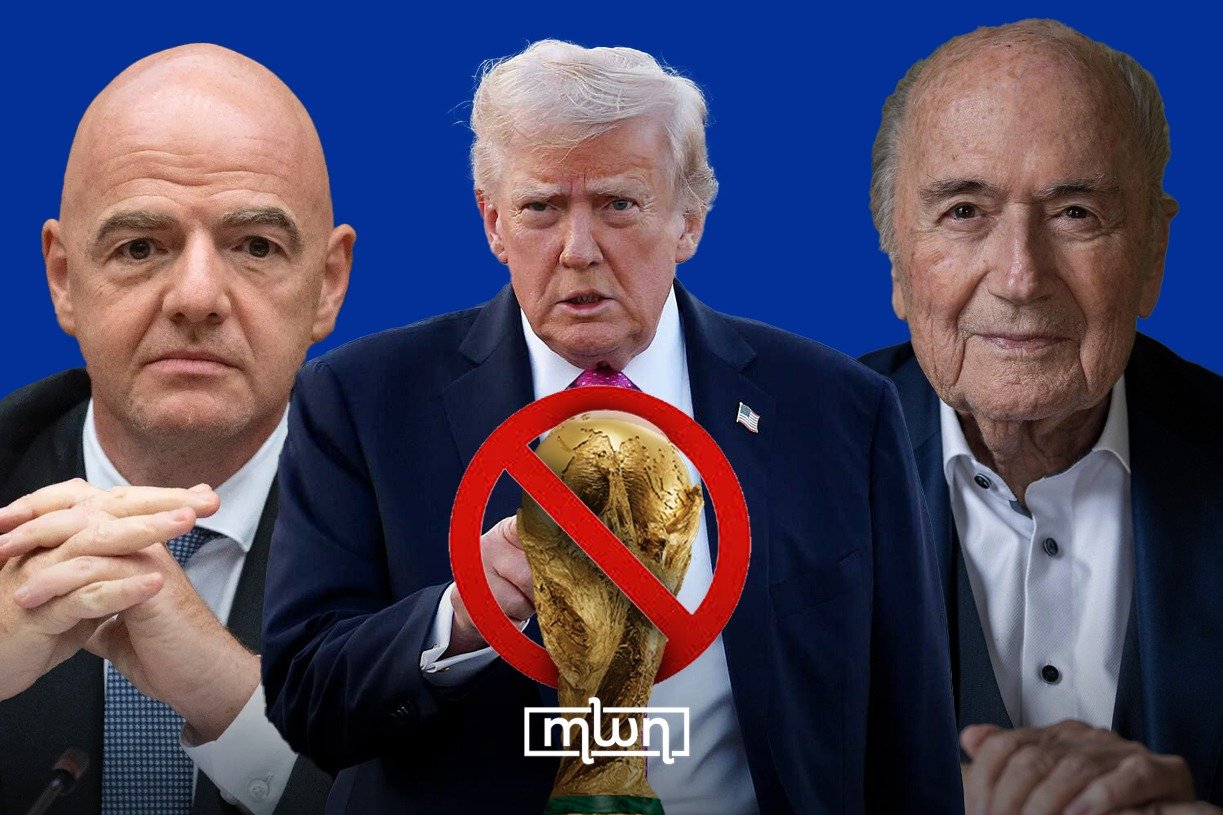

The countdown to the 2026 FIFA World Cup, set to be co-hosted by the United States, Canada, and Mexico, is already fraught with controversy. Adding significant weight to a burgeoning movement, former FIFA president Sepp Blatter has publicly endorsed calls for fans to boycott the tournament, particularly its US-based matches, citing a litany of concerns ranging from security to immigration hurdles.
Blatter’s Unexpected Endorsement Fuels Debate
Sepp Blatter, who presided over FIFA from 1998 until his resignation amidst a corruption scandal in 2015, recently took to social media platform X (formerly Twitter) to echo the sentiments of Swiss anti-corruption expert Mark Pieth. Pieth, a former head of FIFA’s governance committee, had previously advised fans to “stay away from the USA” for the global football spectacle, warning of potential difficulties with officials upon arrival.
Blatter quoted Pieth’s stark warning, adding his own agreement: “I think Mark Pieth is right to question this World Cup.” This intervention from the 89-year-old former football executive is particularly noteworthy, not only given his controversial past but also his alignment with a figure known for anti-corruption advocacy. His comments have intensified the debate surrounding the tournament’s viability as a symbol of global unity, especially with the majority of matches slated for American cities.
Mounting Concerns for Traveling Fans
Security and Immigration: A Looming Shadow
The core of the boycott calls revolves around significant concerns for international fans, particularly those from Africa, Asia, the Middle East, and the Global South. Critics point to stringent immigration rules, complex visa processes, and perceived security risks within the United States as major deterrents. The fear is that the promise of a welcoming global event could be overshadowed by bureaucratic obstacles and an unwelcoming atmosphere.
These anxieties have been exacerbated by recent high-profile incidents involving US Immigration and Customs Enforcement (ICE). In Minneapolis, violent clashes between federal agents and protesters, which reportedly led to the deaths of two US citizens, Renee Good and Alex Pretti, have drawn widespread scrutiny. The death of Alex Pretti on January 24, 2026, in particular, sparked national anti-ICE protests and fueled the narrative that the US might not be a safe or hospitable environment for foreign visitors expecting freedom of movement and security.
Beyond Borders: The Cost Factor
Beyond security and immigration, the financial burden on fans is another significant point of contention. Rising ticket prices and exorbitant hotel costs in American host cities are making the dream of attending a World Cup increasingly unattainable for many. This economic barrier further alienates a global fanbase, undermining the inclusive spirit of the tournament.
A European Wave of Dissent
The debate is not confined to expert circles; it has rapidly gained traction across Europe, extending from civil rights groups to political discourse and even football leadership. Media outlets in both the US and Europe are reporting growing, albeit largely rhetorical, calls for boycotting matches in the United States.
In the Netherlands, public sentiment has solidified into a concrete movement. Dutch journalist Ten Van der Keuken initiated a petition urging the country to boycott the 2026 World Cup in the US, which has already garnered over 150,000 signatures. This campaign underscores the frustration among many European fans who feel that a World Cup primarily hosted in the US cannot genuinely unite the world while such strong concerns over immigration checks and border treatment persist.
Despite this mounting public pressure, national football associations, particularly in Europe, have traditionally been hesitant to adopt official boycott stances. This creates a noticeable gap between public opinion and institutional action, setting the stage for a complex and potentially divisive lead-up to the 2026 tournament.
As the 2026 World Cup draws closer, the calls for a boycott, now amplified by figures like Sepp Blatter, present a significant challenge to the tournament’s organizers and host nations. Addressing these deep-seated concerns will be crucial to ensuring that football’s premier event truly embodies its promise of global unity and celebration.
For more details, visit our website.
Source: Link