
US Cyberattack Plunges Venezuela into Darkness: A New Era of Digital Warfare
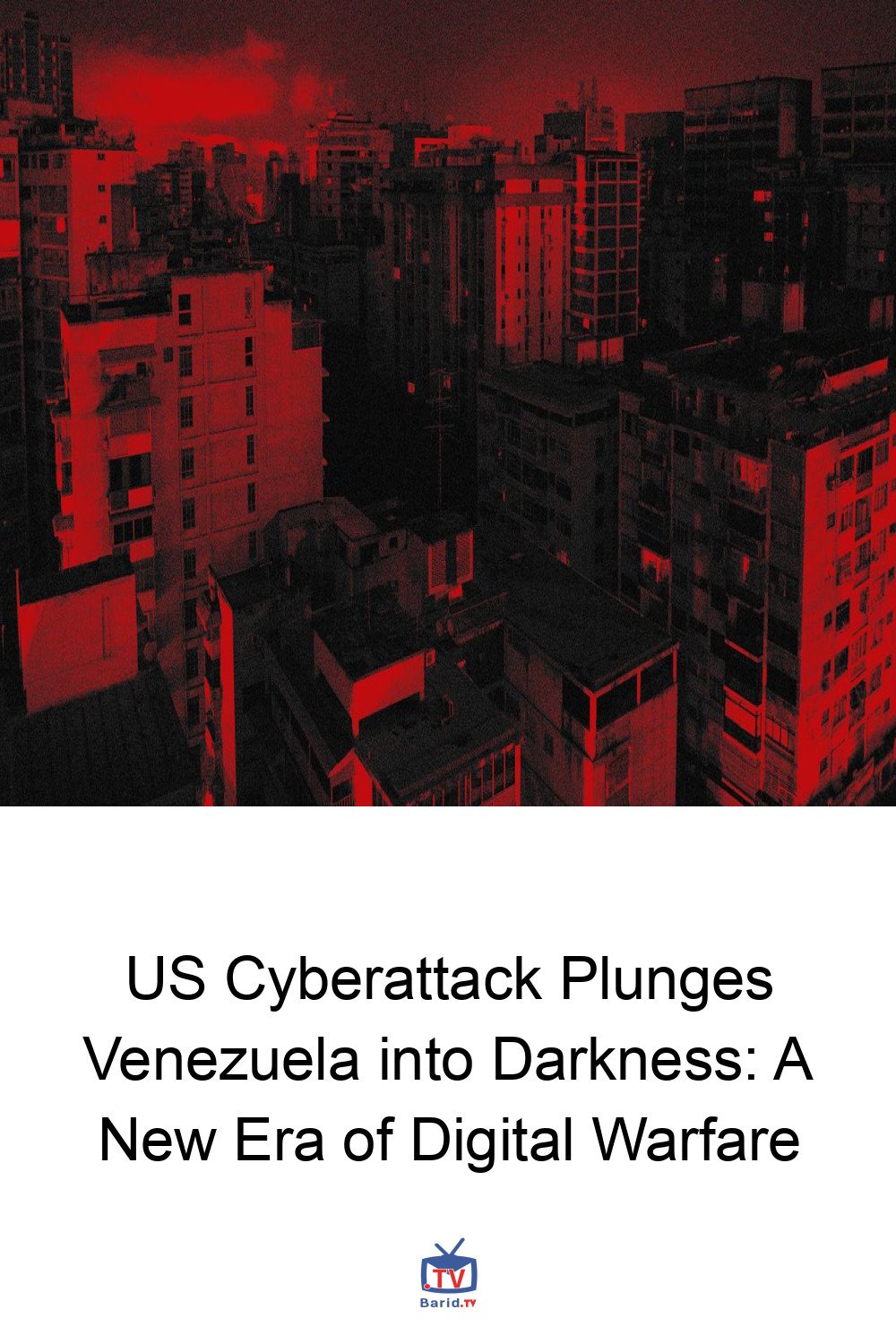
In a development that signals a significant escalation in global cyber warfare, the United States has reportedly joined the exclusive ranks of nations capable of weaponizing digital tools to disrupt critical national infrastructure. Amidst a surprise military operation that led to the arrest of Venezuelan President Nicholas Maduro and his wife, unnamed US officials have now confirmed that American hackers orchestrated a widespread blackout in Caracas, the nation’s capital.
An Unprecedented Digital Strike
For years, Russia’s notorious Sandworm group stood as the sole state-sponsored entity publicly confirmed to have caused national blackouts through cyberattacks. Now, the US appears to have crossed this critical threshold. Following air strikes and an on-the-ground military operation earlier this month that resulted in dozens of fatalities, President Trump hinted at the digital intervention. “It was dark, the lights of Caracas were largely turned off due to a certain expertise that we have,” Trump stated in a news conference, hours after the operation.
The New York Times, citing unnamed US officials, has since corroborated these hints, confirming that a cyberattack was indeed responsible for the power outage. This marks the first public report of the US government executing such a hacking operation. Beyond the blackout, US forces also reportedly employed hacking capabilities to disable Venezuelan air defense radar, paving the way for the incursion. US Cyber Command, in a somewhat ambiguous statement to the Times, expressed pride in supporting “Operation Absolute Resolve,” the US government’s designation for the Venezuelan operation.
While the power was reportedly restored “quickly”—potentially a deliberate action by Cyber Command—and backup generators prevented fatalities in hospitals, the incident underscores a new, potent dimension in international conflict and statecraft, raising profound questions about the future of geopolitical engagement in the digital age.
Beyond Venezuela: A Week in Security and Privacy
The digital and physical landscapes continue to present complex challenges and evolving threats. Here’s a roundup of other significant developments from the past week:
ICE Operations Under Intense Scrutiny in Minnesota
Immigration and Customs Enforcement’s “Operation Metro Surge” in Minnesota has drawn widespread condemnation and legal challenges. With over 2,000 ICE operatives and 1,000 other federal agents conducting more than 2,400 arrests since late 2025, the operation has been marred by controversy, including the use of tear gas on protesters. The situation escalated dramatically with the fatal shooting of 37-year-old US citizen Renee Nicole Good by an ICE agent last week. In response, the state of Minnesota and local Twin Cities governments have filed lawsuits against the US government and several officials to halt the operation.
Further complicating matters, WIRED reported on a federal contract justification revealing that 31 ICE vehicles in Minnesota lack necessary emergency lights and sirens, failing to meet regulatory compliance. Meanwhile, crowdfunding giant GoFundMe faced criticism for allowing a campaign to fund the legal defense of Jonathan Ross, the ICE agent involved in Good’s shooting, despite company policies against fundraisers linked to violent crimes. An FBI investigation further revealed sworn testimony contradicting Ross’s claims regarding a suspect’s request for an attorney, raising serious questions about whether Ross adhered to his training during the fatal incident.
Digital Dilemmas: AI Ethics and Tech Vulnerabilities
- Tren de Aragua Intelligence:
An analysis of hundreds of records by WIRED revealed that US intelligence on Tren de Aragua, the Venezuelan gang President Trump described as an “invasion,” was surprisingly thin, detailing disjointed, low-level crime rather than a coordinated terrorist threat in the US.
- X and Grok’s Explicit Imagery Problem: Following a surge of graphic AI-generated imagery, including depictions of minors, social media platform X announced new restrictions on its AI platform, Grok. However, tests indicate that Grok’s “undressing” problem persists on its native platforms, suggesting X’s updates have only created insufficient guardrails.
- Google Fast Pair Security Flaw: Researchers disclosed a significant security vulnerability affecting hundreds of millions of audio devices utilizing Google’s one-tap Fast Pair Bluetooth protocol. From 17 models of headphones to speakers, these devices require a security patch to prevent wireless hacking, eavesdropping, and even location tracking.
- Verizon Outage and Cybersecurity Leadership: A major Verizon outage this week disrupted cellular and mobile services across large parts of the US, including critical 911 access. In leadership news, former US Cybersecurity and Infrastructure Security Agency director Jen Easterly announced her new role as CEO of RSAC, organizers of a prominent US security conference.
Stay informed and stay safe in an increasingly complex world where digital and physical security converge.
For more details, visit our website.
Source: Link