

January 2026 was poised to be a watershed moment for the cryptocurrency industry. After years of navigating a murky regulatory landscape, the Senate was on the cusp of finalizing the CLARITY Act – a landmark piece of legislation designed to establish clear rules for digital assets, define securities versus commodities, and outline consumer protections. With the House having already passed its version and the White House ready to sign, a bipartisan consensus seemed within reach, promising an end to the industry’s long-standing regulatory limbo.
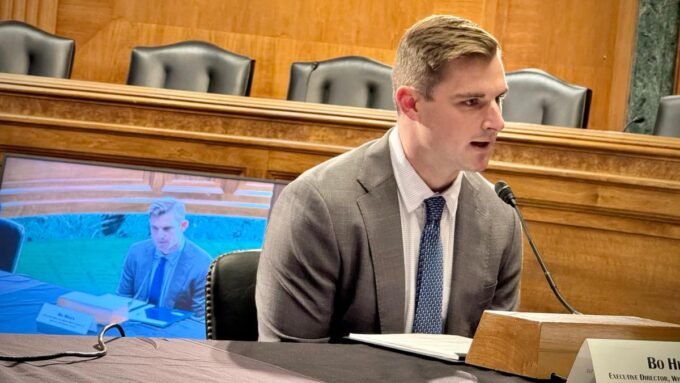
“[We] don’t want to be in a place where, with the change of every administration, what you can and can’t do with software, or what you can and can’t publish, changes,” noted Connor Brown, Head of Strategy for the Bitcoin Policy Institute, encapsulating the industry’s yearning for stability.
The Midnight Reversal That Rocked Capitol Hill
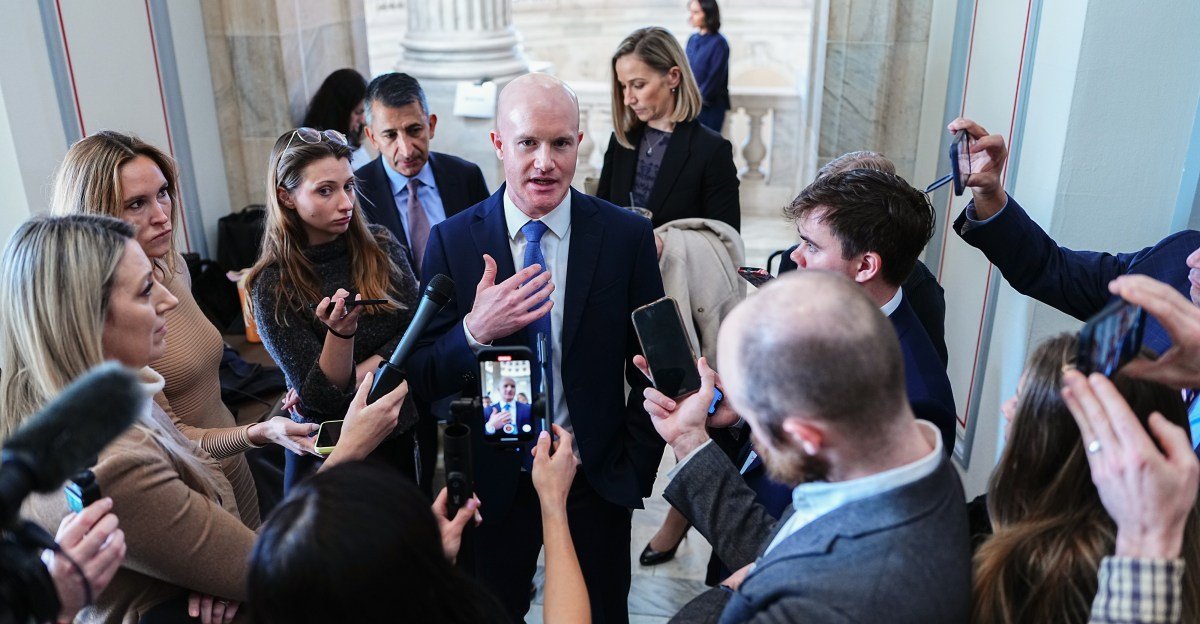
Then, just before midnight last Wednesday, the carefully constructed edifice crumbled. Hours before the Senate Banking Committee was set to convene for its crucial markup session – where every word and clause of the hundred-plus page draft would be meticulously negotiated – Coinbase, the world’s largest crypto exchange, dropped a bombshell: it was withdrawing its support for the CLARITY Act entirely.
“We’d rather have no bill than a bad bill,” declared CEO Brian Armstrong on X, pointing fingers at “big banks” and their lobbyists for last-minute maneuvers aimed at protecting traditional savings accounts from the burgeoning crypto wallet threat.
The Stablecoin Standoff: A Deal Breaker for Coinbase?
While Armstrong cited several objections, one particular sticking point emerged as a potential deal-breaker for Coinbase: the ability for crypto owners to earn interest or other rewards from holding stablecoins – digital tokens pegged to the US dollar. This provision, or lack thereof, directly impacts Coinbase’s business model, which includes offering yield-bearing stablecoin accounts, mirroring the interest earned on traditional bank deposits.
The immediate fallout was swift. Senate Banking Committee Chairman Tim Scott (R-SC) cancelled the scheduled markup, terming it a “brief pause” for renegotiation. Yet, the broader crypto industry reacted with a mixture of disbelief and outrage.
Industry Unites Against Coinbase’s Stance
In a rare display of unity, major players from across the crypto ecosystem – including exchanges like Kraken, venture capital giants like a16z, and blockchain innovators like Ripple – publicly reaffirmed their support for the Senate bill, implicitly condemning Coinbase’s eleventh-hour defection.
“Reasonable people can disagree on specific provisions. That is precisely why the final stage of this process matters,” stated Kraken CEO Arjun Sethi, emphasizing the importance of resolving issues rather than abandoning years of bipartisan effort. This sentiment was echoed by a16z managing partner Chris Dixon, Ripple CEO Brad Garlinghouse, and even David Sacks, the influential White House special advisor on AI and Crypto, who urged Coinbase to find common ground before the month’s end.
For many, the desire for regulatory clarity, even if imperfect, outweighs the specific concerns raised by Coinbase. The industry has long suffered from uncertainty, and a foundational law, however flawed, is seen as a crucial step forward. However, for Coinbase, a publicly-traded entity with significant stablecoin yield offerings, the interest provision represents a fundamental threat to its revenue streams.
A Race Against the Clock: The Looming Political Deadline
The stakes are incredibly high, and time is rapidly running out. A critical deadline looms as members of Congress prepare for re-election campaigns. Midterm elections notoriously stifle bipartisan cooperation, and this cycle is particularly fraught. Lawmakers face constituents who might view support for CLARITY as an endorsement of controversial figures, further complicated by a Republican effort to block a Democrat-written provision preventing figures like Trump from profiting off crypto assets.
With campaigns kicking off in March and the Senate out of session next week, the window for resolving these differences and passing meaningful crypto legislation is shrinking to less than a month. Coinbase’s bold move has not only stalled a pivotal bill but has also ignited a fierce debate within the crypto community, leaving its political future hanging precariously in the balance.
For more details, visit our website.
Source: Link