
In a year that saw domestic box office ticket sales rebound significantly, The Walt Disney Company once again asserted its dominance, capturing an impressive share of the market in 2025. With a strategic reliance on beloved intellectual property, the entertainment giant not only topped its competitors but also laid a clear roadmap for extending its cinematic reign into 2026. As the industry looks ahead, the question isn’t whether familiar franchises will lead, but how emphatically Disney will continue to leverage its unparalleled catalog.
The Reign of IP: Disney’s 2025 Box Office Triumph
The North American box office experienced a healthy surge in 2025, with ticket sales in the United States and Canada climbing approximately 4% from the previous year to a robust $9.05 billion. Of this substantial haul, Disney emerged as the undisputed leader, commanding a staggering $2.49 billion in ticket sales, equating to a 27.5% market share, according to data compiled by Comscore.
Its closest rivals, Warner Bros. Discovery and Universal, trailed with $1.9 billion (21%) and $1.7 billion (19.7%) respectively. Together, these three studio titans collectively accounted for nearly 70% of the entire domestic box office, underscoring the increasing concentration of power within the industry. No other studio managed to break the $1 billion mark or secure more than 7% of the total revenue, highlighting the formidable advantage held by the top players.
Paul Dergarabedian, head of marketplace trends at Comscore, attributes this dominance to a crucial factor: “Warner Bros., Disney and Universal have the advantage of having at least two or more distinct and successful sub-brands labels — such as Marvel under Disney, New Line under WB and Illumination under Universal — under their corporate umbrella that enables these studios to dominate at least in terms of the overall box office and percentage of the marketplace that they control.”
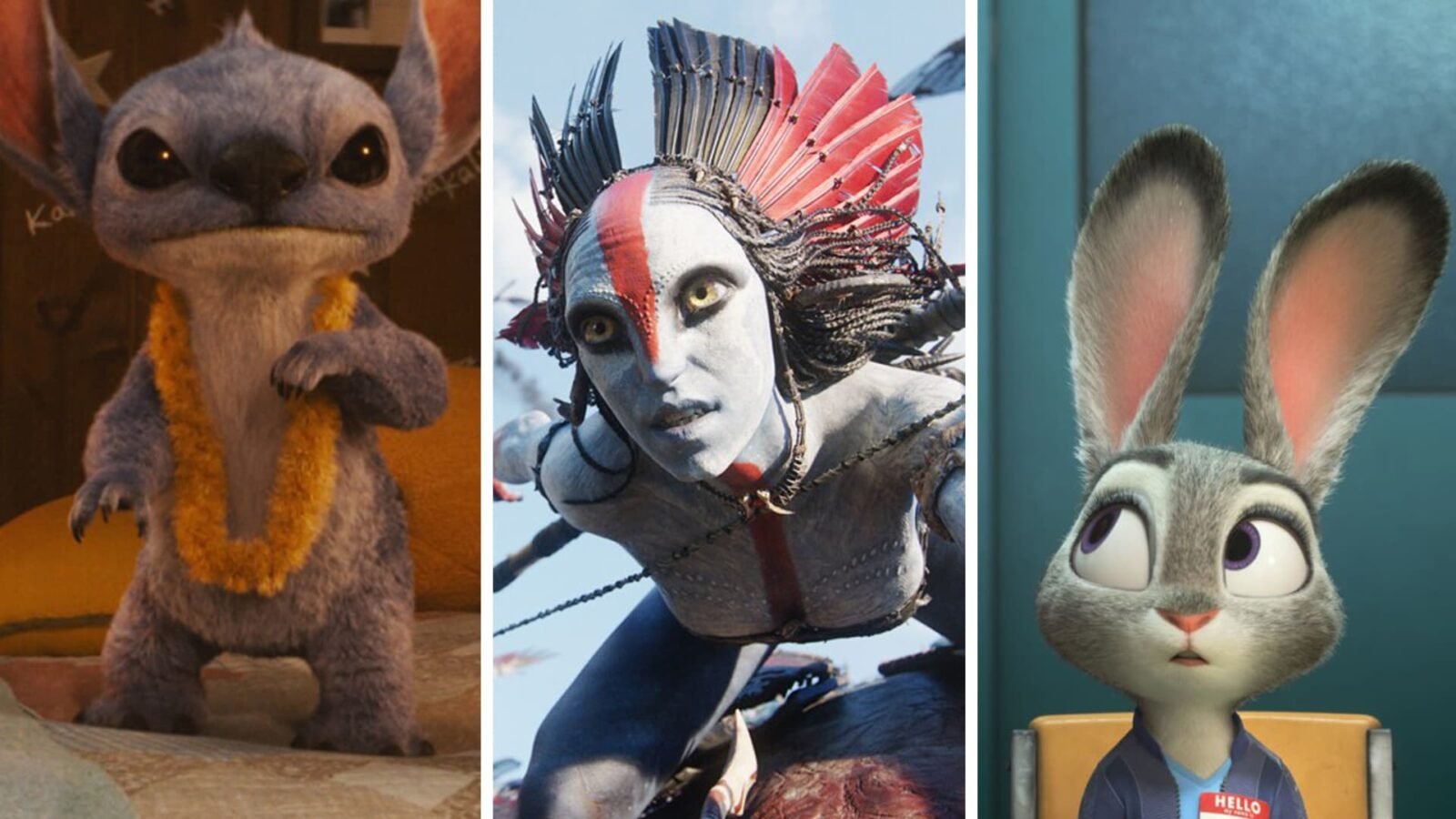
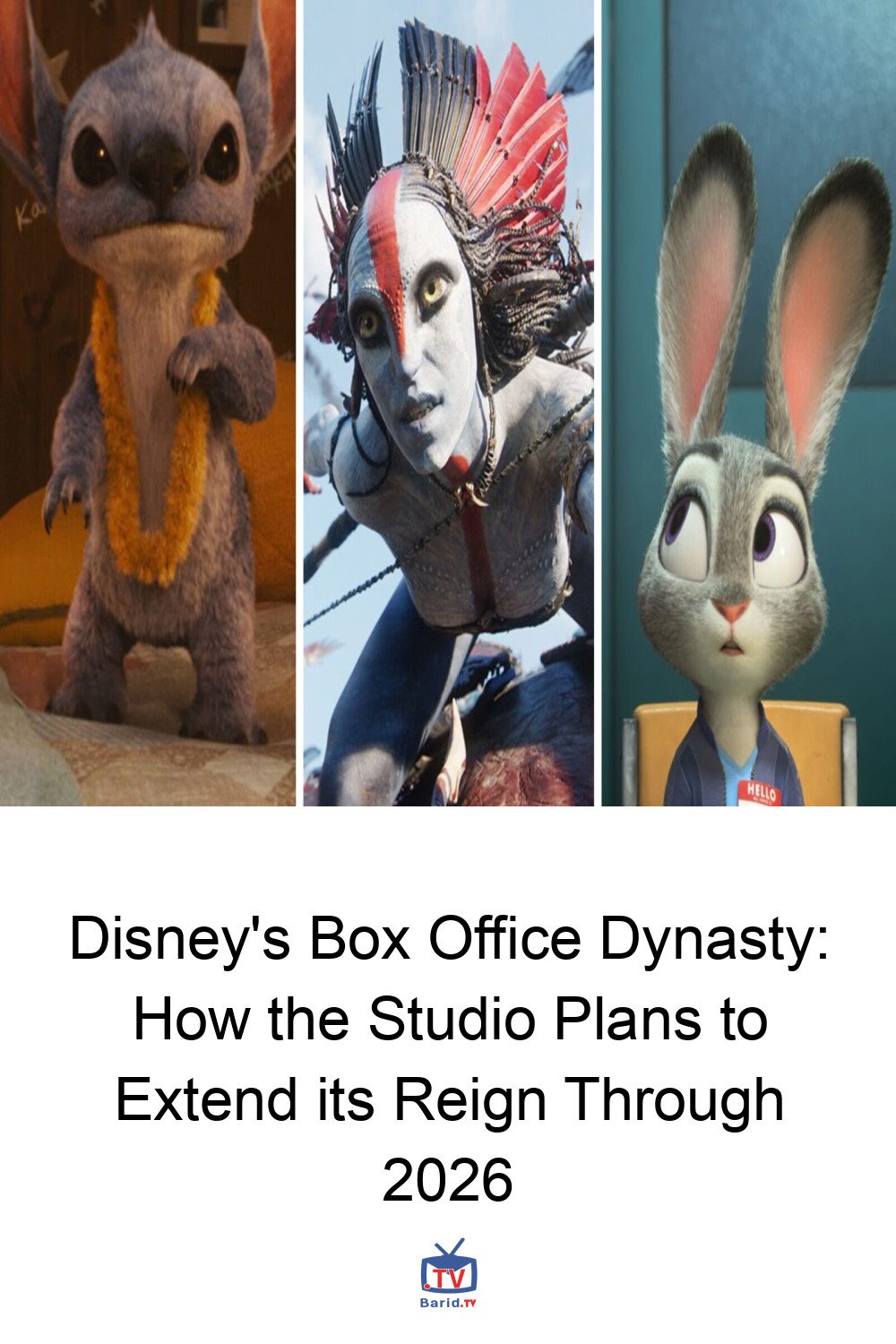
Disney’s stellar performance in 2025 was unequivocally built upon the shoulders of its already popular intellectual property. Four of its releases secured spots within the year’s top 10 highest-grossing domestic films. Audiences flocked to the live-action reimagining of “Lilo & Stitch,” a much-anticipated sequel to 2016’s “Zootopia,” the latest installment in the ever-expanding Marvel Cinematic Universe with “Fantastic Four: First Steps,” and the visually stunning third “Avatar” film. This trend wasn’t exclusive to Disney; a remarkable nine out of the ten biggest movies at the domestic box office in 2025 were derived from existing IP, with Warner Bros.’ “Sinners” standing out as the sole original title to crack the elite list.
Charting the Course for 2026: A Future Forged in Franchises
If 2025 was a testament to the power of established brands, 2026 is poised to amplify that narrative. Experts predict the coming year will eclipse 2025 in the sheer volume of high-profile sequels and known intellectual property slated for release. And once again, Disney is at the forefront of this franchise-driven future.
Disney’s Powerhouse 2026 Lineup
The Mouse House is preparing an arsenal of blockbusters designed to maintain its box office supremacy. Fans can anticipate the return of a galaxy far, far away with “The Mandalorian and Grogu,” marking the first Star Wars theatrical release since 2019 and capitalizing on the immense popularity of the Disney+ series. Summer will see the highly anticipated “Toy Story 5” hit theaters in June, followed by a live-action adaptation of “Moana” in July. The year will culminate with what is arguably the most anticipated film on the slate: “Avengers: Doomsday,” set to arrive in December.
While a new Spider-Man film is also on the horizon for 2026, it operates under a unique arrangement with Sony. As part of the deal that integrates the character into Disney’s MCU, Sony retains the majority of the box office profits, while Disney benefits significantly from merchandise sales – a testament to the diverse revenue streams generated by powerful IP.
Competitors Gearing Up: A Battle of Blockbusters
Disney won’t be alone in its pursuit of box office gold. Other major studios are also loading their 2026 calendars with formidable franchise entries. Warner Bros. will unleash “Supergirl” and the highly anticipated “Dune: Part Three.” Universal is set to charm audiences with “Minions 3” and “The Super Mario Galaxy Movie,” alongside “The Odyssey.” Lionsgate will tap into a loyal fanbase with “Hunger Games: Sunrise on the Reaping,” and Sony plans to continue its successful adventure series with a third “Jumanji” film.
“As we look into 2026, there’s plenty of optimism to go around,” notes Shawn Robbins, director of analytics at Fandango and founder of Box Office Theory. “The slate is packed with top-tier franchises, some fan-driven and others family-oriented, alongside filmmaker-driven tentpoles… plus an inevitable crop of strong or potentially surprising performers out of horror, comedy, indie, and other genres.”
The landscape of the modern box office is undeniably shaped by the allure of established intellectual property. Disney’s commanding performance in 2025, driven by its unparalleled catalog of beloved characters and universes, serves as a powerful blueprint. With an even more robust slate of sequels and franchise extensions planned for 2026, The Walt Disney Company is strategically positioned not just to compete, but to continue setting the pace for the global film industry, ensuring its box office crown remains firmly in place.
For more details, visit our website.
Source: Link