



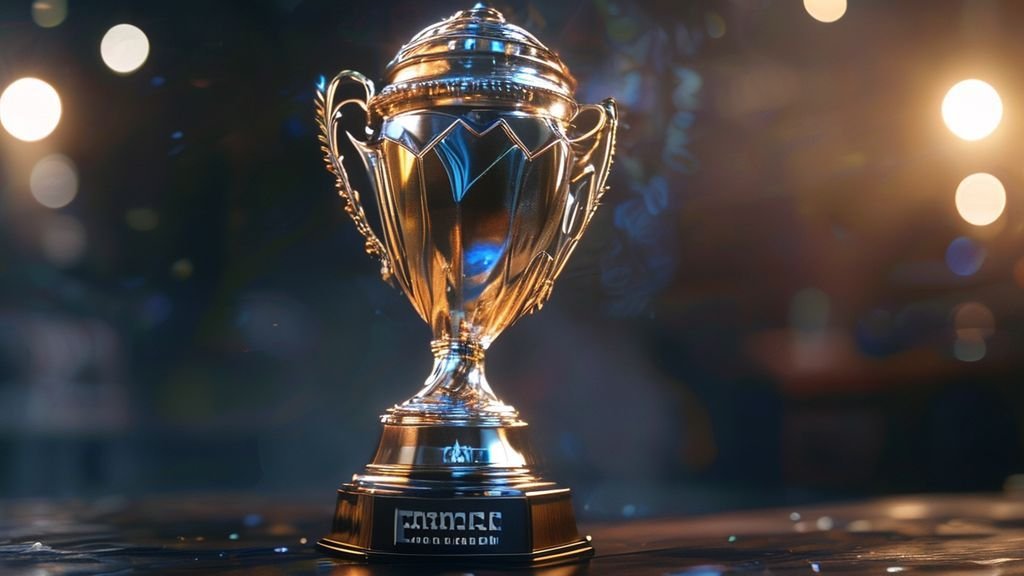


Evolution of AFCON Trophy: A Complete Guide
The African Cup of Nations (AFCON) is one of the most prestigious international football tournaments in Africa, with a rich history dating back to 1957. The tournament has undergone significant changes over the years, including the evolution of its trophy. In this article, we will take a comprehensive look at the history of the AFCON trophy and its various designs.
Early Years (1957-1974)
The first AFCON trophy was designed by the Egyptian artist, Zakariah Ahmed, in 1957. The trophy was made of silver and weighed 3.5 kg. It had a distinctive shape, with a base that represented a football player and a ball on top. The trophy was won by Egypt, who dominated the tournament in its early years, winning five out of the first seven editions.
Modernization (1974-1998)
In 1974, the AFCON trophy underwent a significant redesign. The new trophy was made of gold and weighed 5 kg. It had a more modern design, with a sleek and aerodynamic shape. The trophy was won by Zaire (now the Democratic Republic of Congo), who lifted the trophy for the first time in 1974.
Current Design (1998-Present)
In 1998, the AFCON trophy underwent another redesign. The new trophy was made of gold and weighed 6 kg. It had a more intricate design, with a base that represented a football player and a ball on top. The trophy was won by Egypt, who lifted the trophy for the sixth time in 1998.
Key Features
- Material: The AFCON trophy is made of gold.
- Weight: The trophy weighs 6 kg.
- Design: The trophy has a distinctive shape, with a base that represents a football player and a ball on top.
- Size: The trophy stands 45 cm tall and 30 cm wide.
Conclusion
The AFCON trophy has undergone significant changes over the years, reflecting the growth and development of the tournament. From its early years to the present day, the trophy has remained a symbol of excellence and achievement in African football. As the tournament continues to evolve, the AFCON trophy remains an iconic symbol of African football’s rich history and heritage.







Comments are closed.