
The Unseen Vulnerability: When Your Home’s Heat Disappears
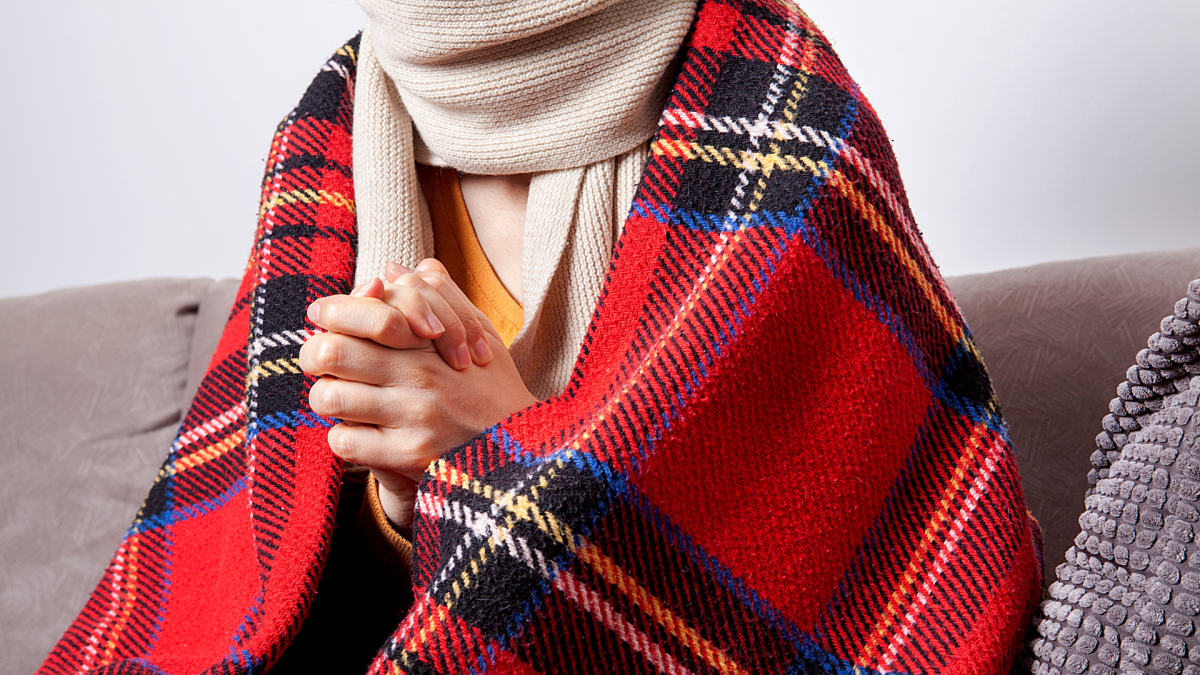
In our modern world, a warm, comfortable home is often taken for granted. When winter’s chill descends, we instinctively reach for the thermostat, confident in the steady flow of warmth. Yet, this comfort hinges precariously on a hidden dependency: the electrical grid. Even homes heated by natural gas or oil typically rely on electricity to power crucial components like fans, igniters, and thermostats. This means that a power outage, especially amidst a harsh winter storm, can plunge your sanctuary into an uncomfortably, even dangerously, cold environment within hours.
When the grid goes dark and your heating system falls silent, preparedness becomes paramount. Knowing how to maintain warmth can protect both your family and your property from the ravages of extreme cold. Here are four vital strategies to help you weather the storm and keep your home as warm as possible.
1. Proactive Pre-Heating: Building a Thermal Buffer
Forewarned is forearmed. If weather forecasts predict a significant winter storm or potential power disruptions, take immediate action to “pre-heat” your home. Elevating your indoor temperature by a few degrees above your usual comfort setting before the power goes out creates a valuable thermal buffer. The warmer your house is initially, the longer it will take for interior temperatures to drop to unsafe levels, buying you precious time.
Combine this pre-heating strategy with comprehensive sealing measures. Hang thick thermal curtains or blankets over all windows, apply plastic insulation kits to drafty panes, and deploy draft stoppers under doors and along any other cracks where cold air might infiltrate. These steps collectively minimize heat loss, making your home a more efficient heat reservoir.
2. Strategic Isolation: Creating a Warmth Zone
Attempting to heat an entire house without an active central system is an exercise in futility. Instead, focus your efforts on creating a designated “warmth zone” – a single, smaller room where everyone can gather. Smaller spaces are significantly easier to heat and maintain a comfortable temperature.
Choosing Your Warmth Zone: Key Considerations
- Location: Heat rises, so upper-floor rooms tend to be naturally warmer than those on the ground floor.
- Sunlight: A room with south-facing windows can harness passive solar gain during the day. Open curtains to let the sun’s energy warm the space, then close them tightly at dusk to trap the heat.
- Size & Occupancy: While smaller rooms are easier to heat, ensure it’s large enough to comfortably accommodate everyone who will be living and sleeping there.
- Amenities: Proximity to a bathroom, or an en-suite bath, offers added convenience during an extended stay.
Once your warmth zone is established, seal it off from the rest of the house. Cover windows, block drafts, and keep the door closed. If you possess an indoor-safe portable heater (propane, kerosene, or solar-powered), deploy it here, always adhering strictly to ventilation instructions. For an unconventional but effective solution, consider setting up a tent indoors. Tents are designed to retain heat, creating a micro-environment that’s much easier to keep warm.
3. DIY Ingenuity: The Candle-Pot Heater
While purpose-built indoor-safe heaters are ideal, they aren’t always available or fueled. In a pinch, a simple, old-school candle-pot heater can provide a surprising amount of localized warmth. This DIY solution leverages the thermal properties of ceramic to radiate heat more effectively than candles alone.
Assembling Your Heater:
- Materials: You’ll need 1-3 unglazed clay flower pots (or similar ceramic containers) of varying sizes, non-flammable supports (bricks or stone tiles), and several candles.
- Setup: Create a raised platform using your bricks or tiles, ensuring ample airflow underneath.
- Arrangement: Place your smallest pot upside down on the platform, covering its drainage hole. Stack the next largest pot on top, and then the largest if you have three.
- Ignite: Place your candles underneath the stacked pots and light them.
The candles’ small flames heat the clay pots, which then absorb and slowly radiate that warmth outwards. This prevents the heat from simply rising to the ceiling and dissipating. While it won’t replace your central heating, it can significantly impact the comfort of a small, enclosed space.
Critical Safety Reminders:
- Open Flames: Candles are open flames. Never leave your candle-pot heater unattended.
- Fire Hazards: Keep flammable materials well away from the heater.
- Reflection: For directional heat, place a foil-covered panel behind the heater to reflect warmth towards your sitting area.
4. Powering Essentials: Furnace Battery Backup
For homes with gas or oil furnaces, a power outage doesn’t necessarily mean the fuel supply is cut off. Often, the primary issue is the lack of electricity to power the furnace’s fan, ignition system, and control board. Investing in a furnace battery backup system can be a game-changer in such scenarios.
These systems are designed to provide temporary power to the critical electrical components of your furnace, allowing it to continue operating even when the grid is down. This ensures that your existing heating infrastructure can still function, leveraging the fuel you already have. Consult with an HVAC professional to determine the right battery backup solution for your specific furnace model and power requirements, ensuring safe and effective integration.
Preparedness is Key
While we hope never to face an extended power outage in winter, being prepared is the best defense. By implementing these strategies – from proactive pre-heating and strategic room isolation to DIY warmth solutions and furnace backups – you can significantly enhance your home’s resilience and ensure the safety and comfort of your loved ones when the heat goes out.
For more details, visit our website.
Source: Link