
The Oracle’s Unmatched Reign: A 5.5 Million Percent Odyssey
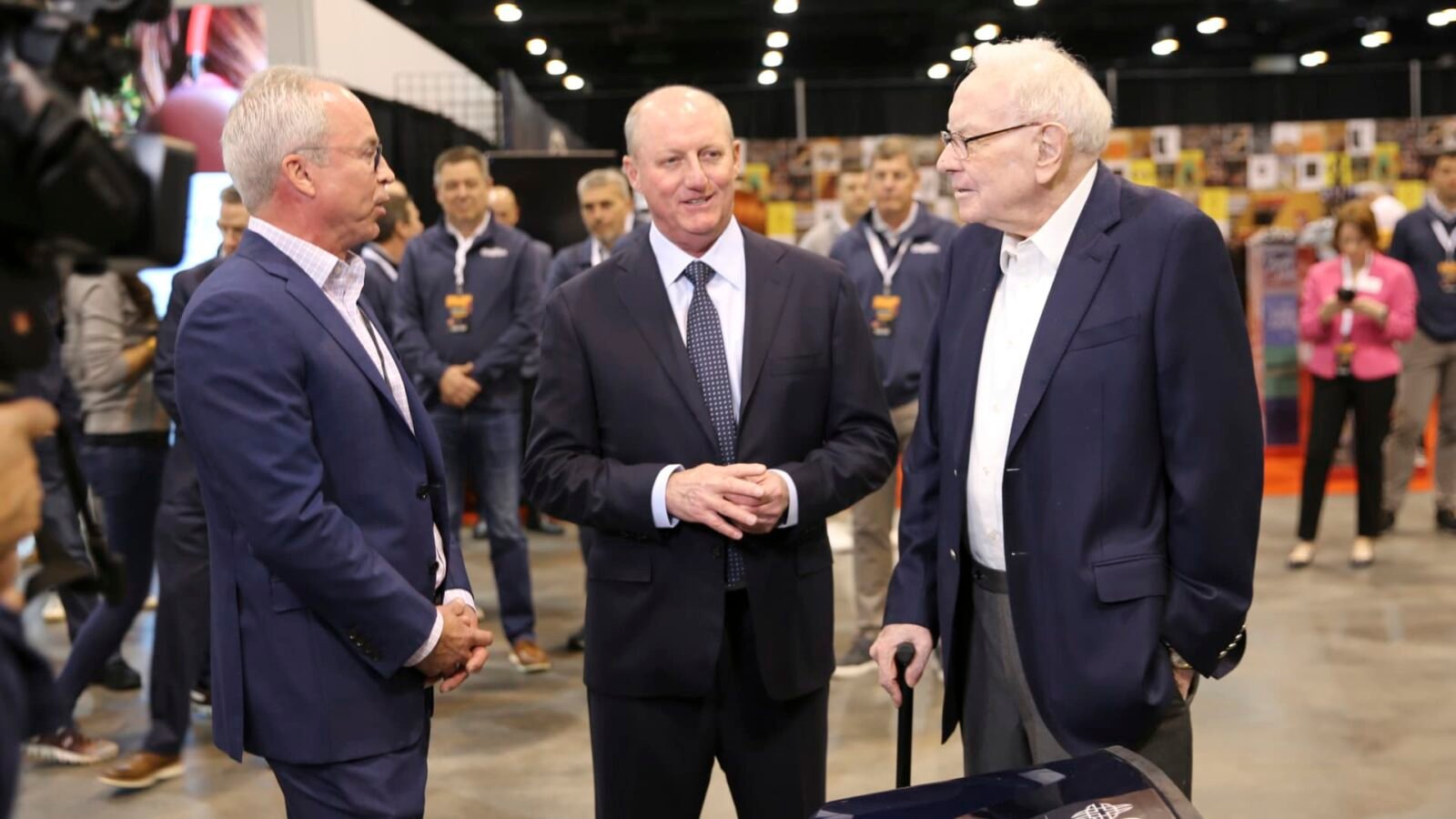
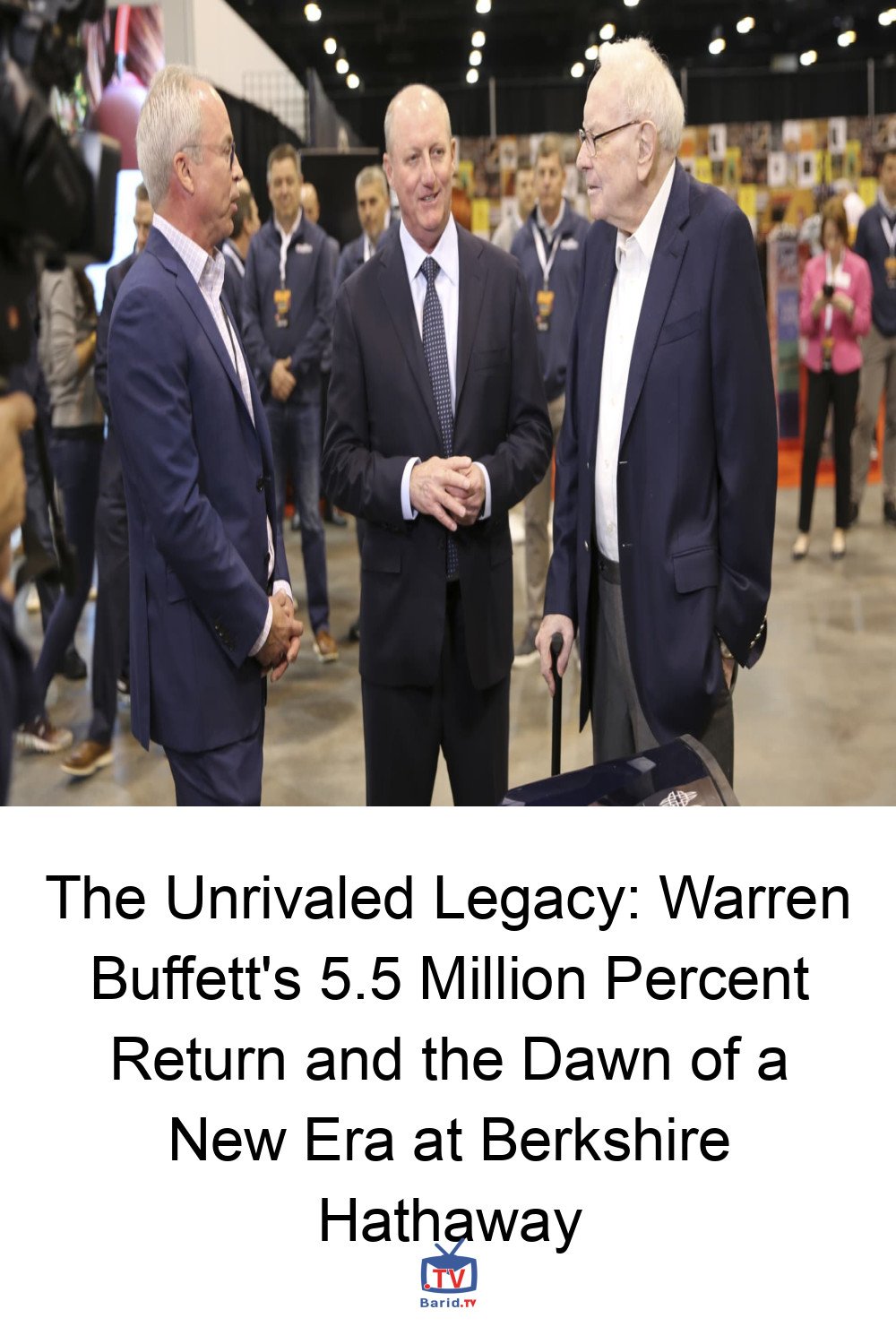
After a monumental six-decade tenure, Warren Buffett has officially passed the CEO baton of Berkshire Hathaway to Greg Abel, marking the close of an unparalleled era in investment history. From 1964 to 2024, under Buffett’s stewardship, Berkshire Hathaway delivered a staggering compounded annual gain of 19.9%, nearly doubling the S&P 500’s 10.4% over the same period. This extraordinary performance culminated in an overall return exceeding 5.5 million percent, transforming an unassuming textile company into one of the market’s most potent compounding machines.
As the “Oracle of Omaha” transitions from the daily operational helm, the investing world grapples with the singularity of his achievement and the implications of his reduced, though still influential, presence. His legacy is not merely a tale of immense wealth creation but a masterclass in disciplined, long-term investing that defied conventional Wall Street wisdom.
Buffett’s Blueprint: Simplicity, Patience, and Unwavering Conviction
Buffett’s record-breaking success wasn’t built on complex algorithms or fleeting trends, but on an unusually spare and steadfast formula. He masterfully leveraged insurance float as a source of low-cost capital, acquiring businesses with durable cash flows and allowing the relentless power of time to do the heavy lifting. This approach led to iconic, long-held stakes in giants like Coca-Cola and American Express, even as Berkshire diversified into railroads, utilities, and manufacturing through wholly owned subsidiaries.
Consider the numbers: when Buffett took control in the mid-1960s, Berkshire shares traded around $19. By the end of 2025, a single Class A share commanded over $750,000. This phenomenal growth, further bolstered by an additional 10% return in 2025, underscores a strategy that many admire but few can replicate. As Bill Stone, chief investment officer at Glenview Trust Company and a Berkshire shareholder, aptly put it, “If it was that easy to do again, somebody would be doing it.” He also highlighted the irreplaceable partnership with Charlie Munger, noting, “it’s just hard to imagine that coming together again anytime soon.”
The Abel Era: Navigating the Future Without the Oracle’s Daily Hand
While Buffett remains chairman, his declaration of “going quiet” signals a deliberate step back from the public spotlight. Greg Abel will now assume responsibility for Berkshire’s highly anticipated annual shareholder letters – a tradition Buffett began in 1965 that became essential reading on Wall Street for its candid insights into markets, management, and capital allocation. Buffett will, however, continue his cherished Thanksgiving message.
Beyond the letters, the annual shareholder meeting, affectionately known as “Woodstock for Capitalists,” drew tens of thousands to Omaha, Nebraska, for hours of unscripted Q&A. This event cemented Buffett’s role not just as a steward of capital but as a trusted public voice, capable of contextualizing market upheaval with unparalleled clarity and wisdom. As Seth Klarman, founder of the Baupost Group, observed, Buffett is “an American role model,” and his transition signifies more than just a leadership change; “The world of investing will be different without Warren Buffett at the helm of Berkshire.”
Berkshire’s Enduring Culture Amidst Evolving Challenges
Buffett famously rejected many Wall Street conventions. Berkshire never split its stock, fostering a shareholder base focused on decades, not quarters. The company eschewed earnings guidance and granted operating managers wide autonomy, while capital allocation decisions remained centrally guided from Omaha. Ann Winblad, managing director at Hummer Winblad Venture Partners, believes this core ethos will persist: “Will the company fundamentally change in its strategies? No. …The culture of Berkshire Hathaway, which is what I’ve invested in, which is patient, long term, careful and decisive investing, will probably still remain.”
Yet, challenges loom. The company held a record $381.6 billion in cash at the end of September, a testament to both its financial firepower and Buffett’s caution in a richly valued market. Berkshire has also been a net seller of equities for 12 consecutive quarters, a rare and sustained retreat reflecting limited compelling opportunities at its immense scale. Investor attention is now sharply focused on the future of its colossal $300 billion equity portfolio. With no obvious successor possessing a comparable public equities track record, some analysts speculate that Berkshire may ultimately scale back active stock selection, particularly given the portfolio’s sheer size and concentration. Buffett’s timeless advice, however, continues to resonate: “Our stock price will move capriciously, occasionally falling 50% or so as has happened three times…” – a reminder to shareholders to distinguish volatility from fundamental failure.
For more details, visit our website.
Source: Link