





Renewable Energy Sources: A Sustainable Future
Introduction
Renewable energy sources are becoming increasingly important as the world shifts towards a more sustainable future. These sources of energy are naturally replenished over time and are a cleaner alternative to fossil fuels. In this article, we will explore the different types of renewable energy sources and their benefits.
Types of Renewable Energy Sources
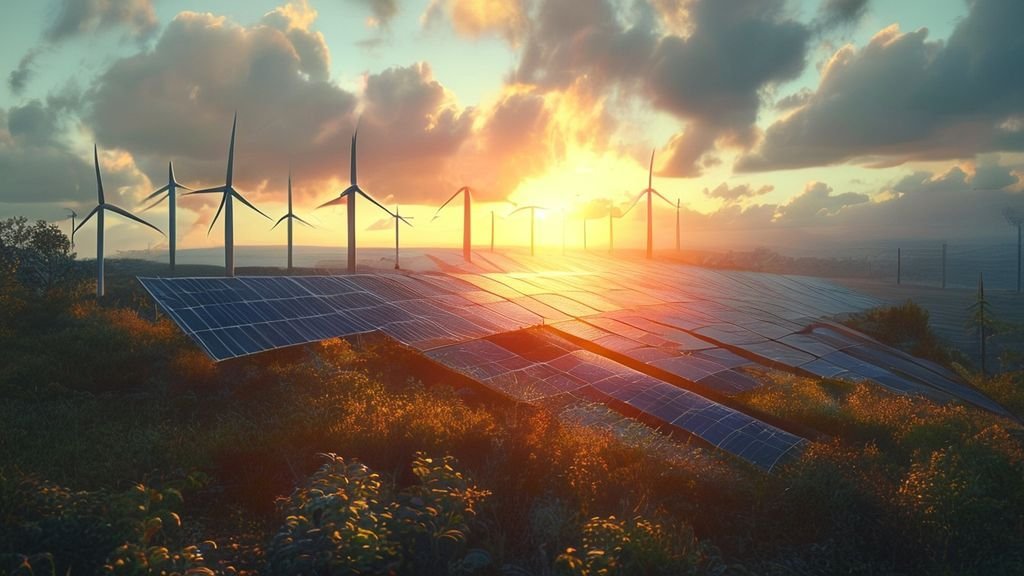
- Solar Energy: Solar energy is generated from the sun’s rays and can be used to power homes, businesses, and even entire communities. Solar panels convert sunlight into electricity, making it a clean and renewable source of energy.
- Wind Energy: Wind energy is generated from the wind and can be harnessed using wind turbines. Wind turbines convert the kinetic energy of the wind into electricity, making it a reliable source of renewable energy.
- Hydro Energy: Hydro energy is generated from the movement of water and can be harnessed using hydroelectric power plants. Hydroelectric power plants convert the energy of water into electricity, making it a clean and renewable source of energy.
- Geothermal Energy: Geothermal energy is generated from the heat of the Earth and can be harnessed using geothermal power plants. Geothermal power plants convert the heat of the Earth into electricity, making it a reliable source of renewable energy.
- Biomass Energy: Biomass energy is generated from organic matter such as wood, crops, and waste. Biomass energy can be harnessed using biomass power plants, which convert the energy of organic matter into electricity.
Benefits of Renewable Energy Sources
Renewable energy sources offer numerous benefits, including:
Reduced Greenhouse Gas Emissions:
Renewable energy sources produce little to no greenhouse gas emissions, making them a cleaner alternative to fossil fuels.- Energy Independence:
Renewable energy sources can be generated locally, reducing dependence on fossil fuels and enhancing energy security.
- Job Creation: The renewable energy industry is creating new job opportunities in manufacturing, installation, and maintenance.
- Improved Air Quality: Renewable energy sources produce no air pollutants, improving air quality and public health.
Conclusion
Renewable energy sources are a vital part of a sustainable future. They offer numerous benefits, including reduced greenhouse gas emissions, energy independence, job creation, and improved air quality. As the world continues to shift towards a more sustainable future, renewable energy sources will play an increasingly important role in powering our homes, businesses, and communities.







Comments are closed.