





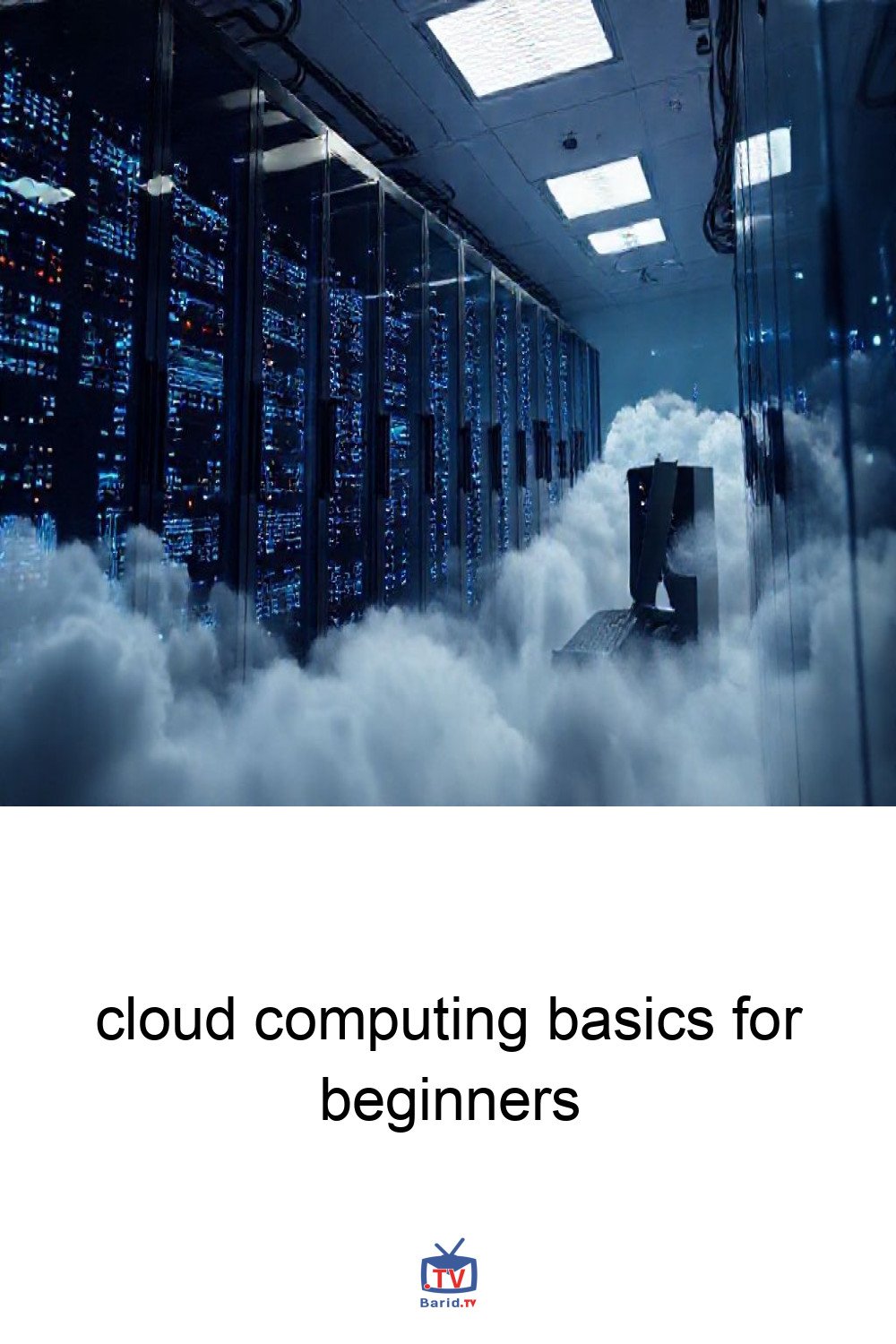
Cloud Computing Basics for Beginners
Cloud computing is a revolutionary technology that allows users to access and store data over the internet. It’s a model of delivering computing services over the internet, where resources such as servers, storage, databases, software, and applications are provided as a service to users on-demand.
What is Cloud Computing?
Cloud computing is a type of computing that uses a network of remote servers to store and process data.
- It allows users to access and use computing resources on-demand, without the need to manage the underlying infrastructure.
Cloud computing provides scalability, flexibility, and cost-effectiveness, making it an attractive option for businesses and individuals alike.
Types of Cloud Computing
- Public Cloud: A public cloud is a cloud computing service provided by a third-party provider over the internet. Examples include Amazon Web Services (AWS), Microsoft Azure, and Google Cloud Platform (GCP).
- Private Cloud: A private cloud is a cloud computing service provided by a single organization to its own users. It’s typically used by large enterprises with sensitive data.
- Hybrid Cloud: A hybrid cloud is a combination of public and private clouds. It allows users to use public cloud services for certain tasks and private cloud services for others.
Cloud Computing Benefits
- Scalability: Cloud computing allows users to scale up or down as needed, without the need to purchase new hardware or software.
- Flexibility: Cloud computing provides users with the flexibility to access their data and applications from anywhere, at any time.
- Cost-effectiveness: Cloud computing reduces the need for upfront capital expenditures, making it a cost-effective option for businesses and individuals.
Cloud Computing Security
Cloud computing security is a top concern for many users. However, cloud providers have implemented various security measures to protect user data, including:
- Data Encryption: Cloud providers encrypt data both in transit and at rest.
- Access Controls: Cloud providers implement access controls to ensure that only authorized users can access data and applications.
- Regular Backups: Cloud providers regularly back up data to ensure that it’s always available in case of a disaster.
Conclusion: Cloud computing is a powerful technology that offers numerous benefits, including scalability, flexibility, and cost-effectiveness. However, it’s essential to understand the basics of cloud computing and the various security measures in place to protect user data.








Comments are closed.