
Introduction to AI Image Generators
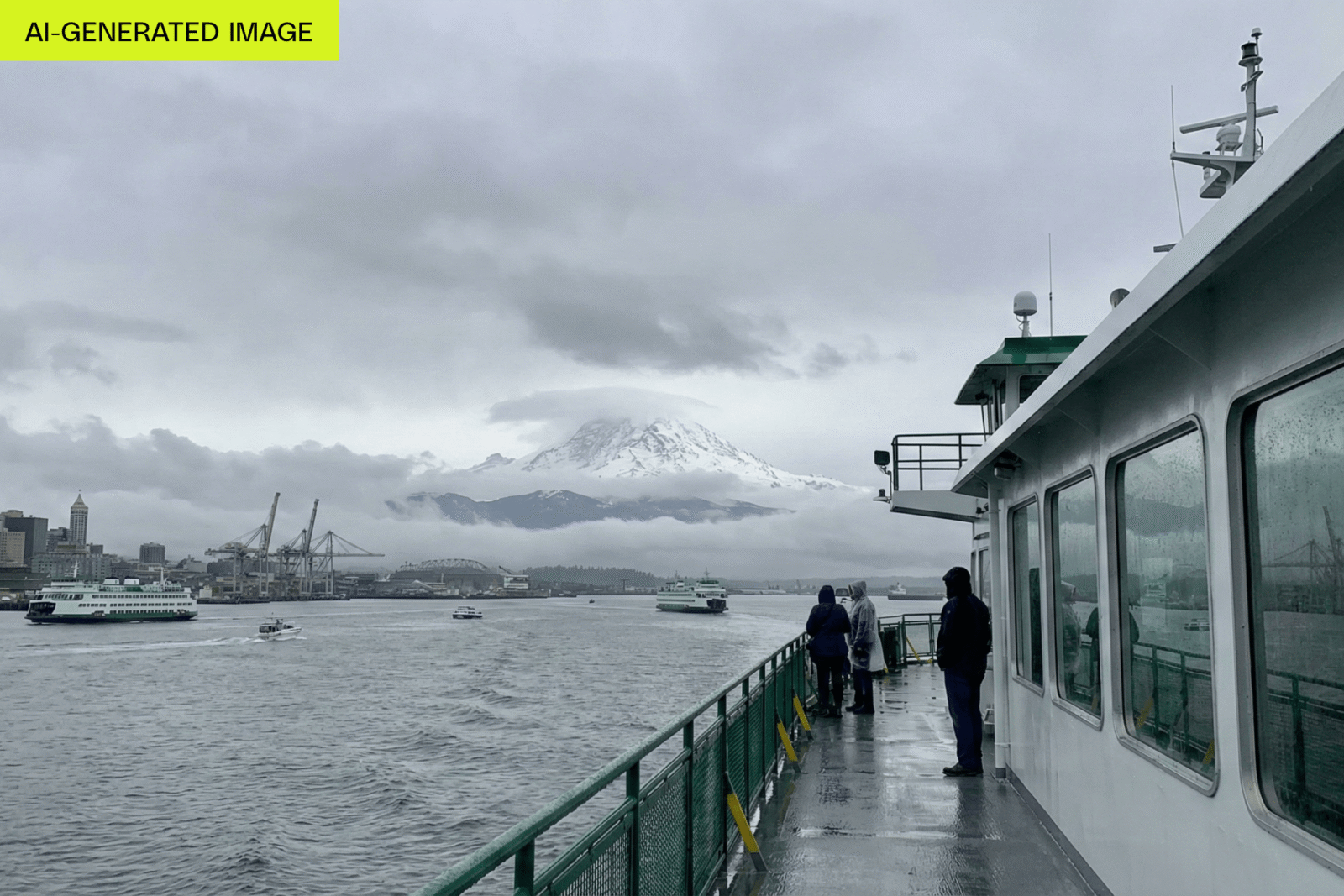
have been rapidly advancing in recent years, with significant improvements in their ability to create realistic images. However, this improvement has come with a notable twist: by making image quality a little bit worse, AI image generators are getting better at creating realistic fakes. This may seem counterintuitive, but the logic behind it lies in the way human perception works and the current limitations of AI technology.
The Shift from Perfection to Realism
Traditionally, AI image generators have aimed for perfect polish and flawless execution. However, this pursuit of perfection has led to images that, while technically flawless, lack the imperfections and nuances that characterize real-world images. In response, AI-powered image tools are now abandoning the quest for perfect polish and instead opting for photorealistic imperfections. This shift towards realism over perfection is a deliberate choice, driven by the recognition that our brains are wired to respond more favorably to images that have minor flaws and imperfections.
Why Imperfections Matter
- Imperfections make images more believable. When an image is too perfect, it can appear unnatural or even fake.
- Real-world images are inherently imperfect. They contain minor flaws such as noise, lens distortions, and variations in lighting, which are absent in perfectly polished AI-generated images.
Our brains are adept at picking up on these imperfections, using them as cues to assess the authenticity of an image.
The Argument Against AI Art
Some critics of AI art argue that it is akin to microwave food – quick, convenient, but lacking in depth and quality. They advocate for traditional methods of art creation, such as using an oven or skillet, which they believe yield superior results. However, this argument overlooks the unique capabilities of AI image generators and the value they bring to the creative process. AI art is not intended to replace traditional art forms but rather to provide a new toolset for artists and creators, expanding the possibilities of what can be achieved.
Addressing Concerns About AI Image Generators
Despite their advantages, AI image generators are not without their challenges. Some users have expressed dissatisfaction with the quality of images generated by these tools, citing issues such as decreased performance over time. However, it’s essential to recognize that these tools are still evolving and that their capabilities will continue to improve as the technology advances.
Conclusion
In conclusion, the paradox of AI image generators getting better by getting worse is a reflection of our evolving understanding of what makes an image realistic and believable. By embracing imperfections and abandoning the pursuit of perfection, AI image generators are becoming more adept at creating images that deceive our brains into thinking they are real. As this technology continues to advance, we can expect to see even more sophisticated applications of AI in the field of image generation.
FAQ
- Q: What is the current state of AI image generators?
- A: AI image generators are rapidly advancing, with improvements in creating realistic images, albeit with a shift towards imperfections for realism.
- Q: Why are AI image generators moving away from perfect polish?
- A: To create more realistic images that our brains find more believable, by incorporating minor flaws and imperfections found in real-world images.
- Q: Are AI image generators replacing traditional art forms?
- A: No, AI image generators are intended to complement traditional methods, offering a new set of tools for artists and creators.