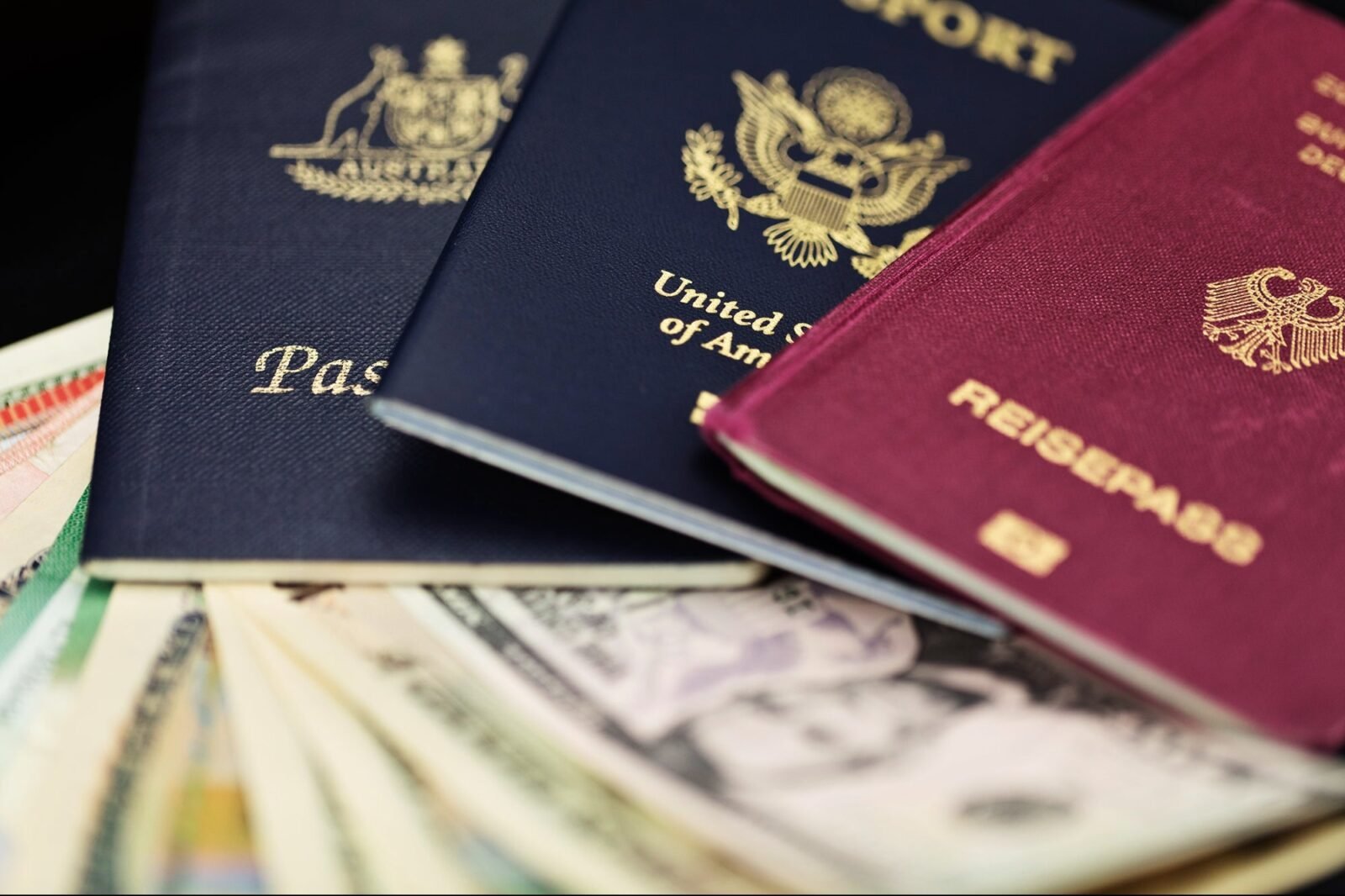


Why Having Multiple Passports Will Soon Be a Financial Flex
For entrepreneurs and families, obtaining a second citizenship or residency through investment migration offers a massive advantage. This strategy allows them to gain greater flexibility, security, and freedom, making it easier to expand businesses and seize new opportunities.
Meanwhile, the inequality of passports remains a significant issue, with some countries offering more mobility than others. This divide affects everything, from education and career options to the ability to grow a business or move to safety when it matters most.
Consequently, entrepreneurs with high-mobility passports can connect with investors, partners, suppliers, and new markets with ease, while those from mobility-restricted countries face invisible anchors, planning trips months in advance and navigating unpredictable visa outcomes.
The Inequality You Don’t See, But Feel Everywhere
However, the power embedded in passports is a form of inequality that subtly shapes a person’s future. A child born in Tokyo, Toronto, or Berlin starts life with almost limitless mobility, while a child born in Lagos, Mumbai, or Karachi faces invisible borders that can shape their opportunities for years.
In addition, this gap affects everything, from education and career options to the ability to grow a business or move to safety when it matters most. Entrepreneurs from mobility-restricted countries often operate with invisible anchors, planning trips months in advance and navigating unpredictable visa outcomes.
When Mobility Becomes a Competitive Advantage
Moreover, despite the growth of remote work, the world still thrives on relationships that inherently require physical presence. Whether pitching to a venture fund, negotiating a partnership, attending a trade event, or exploring a new market, in-person interactions foster trust more swiftly than emails or video calls.
Therefore, mobility becomes a business advantage, while its lack becomes a growth barrier. A founder with a powerful passport can operate with agility, responding to market shifts in real time, observing consumer behavior firsthand, and seizing opportunities as they arise.
Investment Migration is the Modern Answer to an Old Problem
However, investment migration programs have emerged as a direct response to these disparities in recent years. By offering a structured route to residency or citizenship through investment, they enable individuals to gain access to systems that would otherwise require years of waiting or remain entirely inaccessible to them.
Meanwhile, what was once considered a niche option for the ultra-wealthy is now embraced by entrepreneurs, investors, digital nomads, and families who understand that mobility is a fundamental component of modern success.
The Future of Investment Migration
Therefore, the motivations behind investment migration are often deeply practical in nature. A second citizenship reduces reliance on a volatile home country, grants access to superior healthcare and education systems, and simplifies cross-border banking, international hiring, and corporate expansion in the host country.
Consequently, investment migration is becoming an increasingly popular strategy for entrepreneurs and families seeking to gain greater flexibility, security, and freedom.
Source: Link