
Apple Rolls Back Liquid Glass Transparency on Lock Screen with iOS 26.2
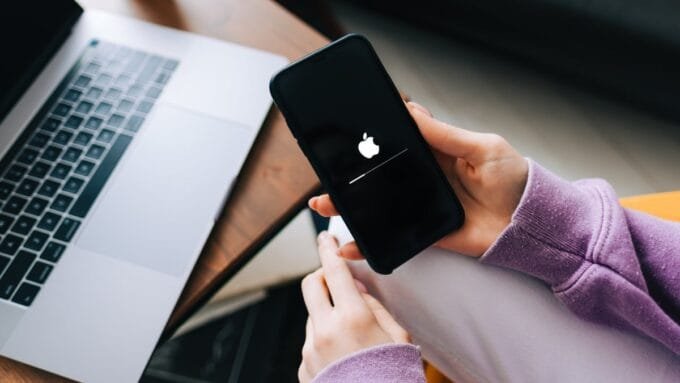
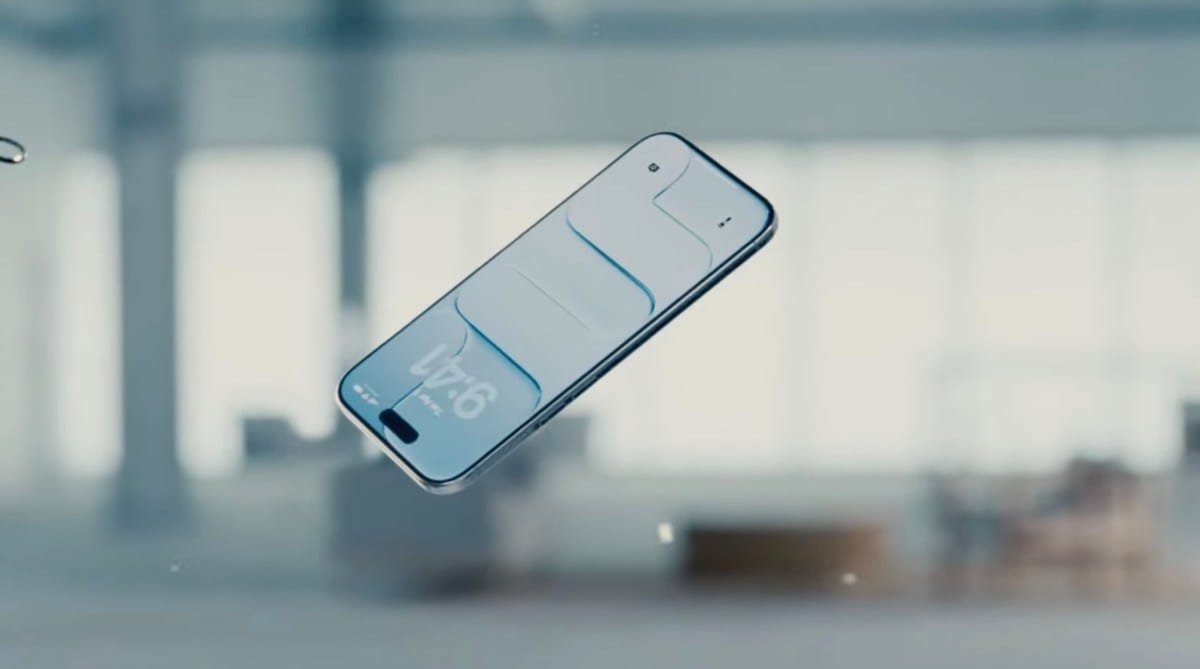
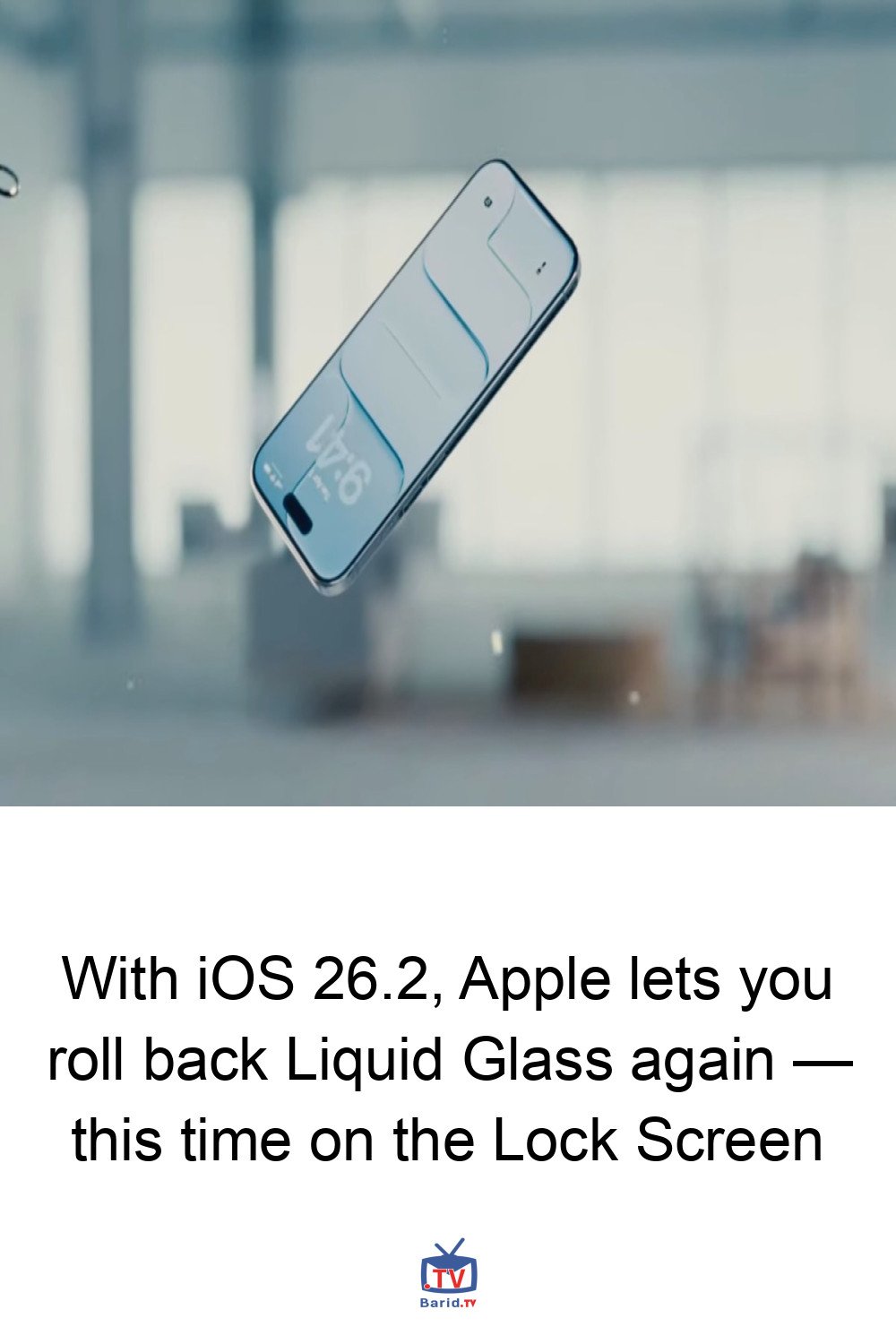
With the release of iOS 26.2, Apple is giving users more control over the transparency of their Lock Screen, a feature introduced in the previous update.
However, the new design language, Liquid Glass, received mixed reviews, with some users finding it difficult to read key items due to its semi-transparent nature.
Consequently, Apple released a tool in iOS 26.1 that allowed users to return their interface to a more “frosted” look, and now they’re rolling back the transparency of the Lock Screen’s clock with iOS 26.2.
What is Liquid Glass?
Launched with iOS 26, Liquid Glass is a new design language for Apple devices that turns various interface elements semi-transparent, giving them the optical qualities of glass.
Meanwhile, the elements also refract light, making them more visually appealing, but some users found it difficult to read key items due to the transparency.
Therefore, Apple introduced a slider for controlling the opacity of Liquid Glass elements through the operating system in iOS 26.1.
iOS 26.2 Features
However, iOS 26.2 brings more features beyond the latest Liquid Glass tweak, including the ability to create AirDrop codes to share with people not in their contacts.
Moreover, the feature allows users to become a “known” AirDrop contact for a 30-day period, making it easier to share files or photos with someone not stored in their Contacts.
Additionally, iOS 26.2 includes other new features, such as Reminders supporting alarms, Apple News gaining a Following tab, and Apple Music adding offline lyrics.
Other Updates
Furthermore, Apple Watch owners will now get a Sleep Score based on how well they slept and if they met their sleep goals.
Additionally, Apple released several important security updates across its flagship products to patch vulnerabilities used in an active hacking campaign.
Conclusion
However, the timing of the change is worth noting, as Apple confirmed the design executive behind the Liquid Glass makeover, Alan Dye, was leaving the company for Meta earlier this month.
Therefore, the replacement of Dye with longtime Apple designer Stephen Lemay, who has a skill set in interface and interaction design, might be a sign that Apple is committed to fixing Liquid Glass.
Source: Link