
The Scramble to Launch Data Centers into Space Heats Up
In a bid to overcome the limitations of Earth-bound data centers, a growing number of tech companies are turning to space-based solutions. Aetherflux, a US-based startup, has announced plans to launch its first data center satellite in early 2027, marking the beginning of a constellation of satellites it’s calling the “Galactic Brain.”
Details
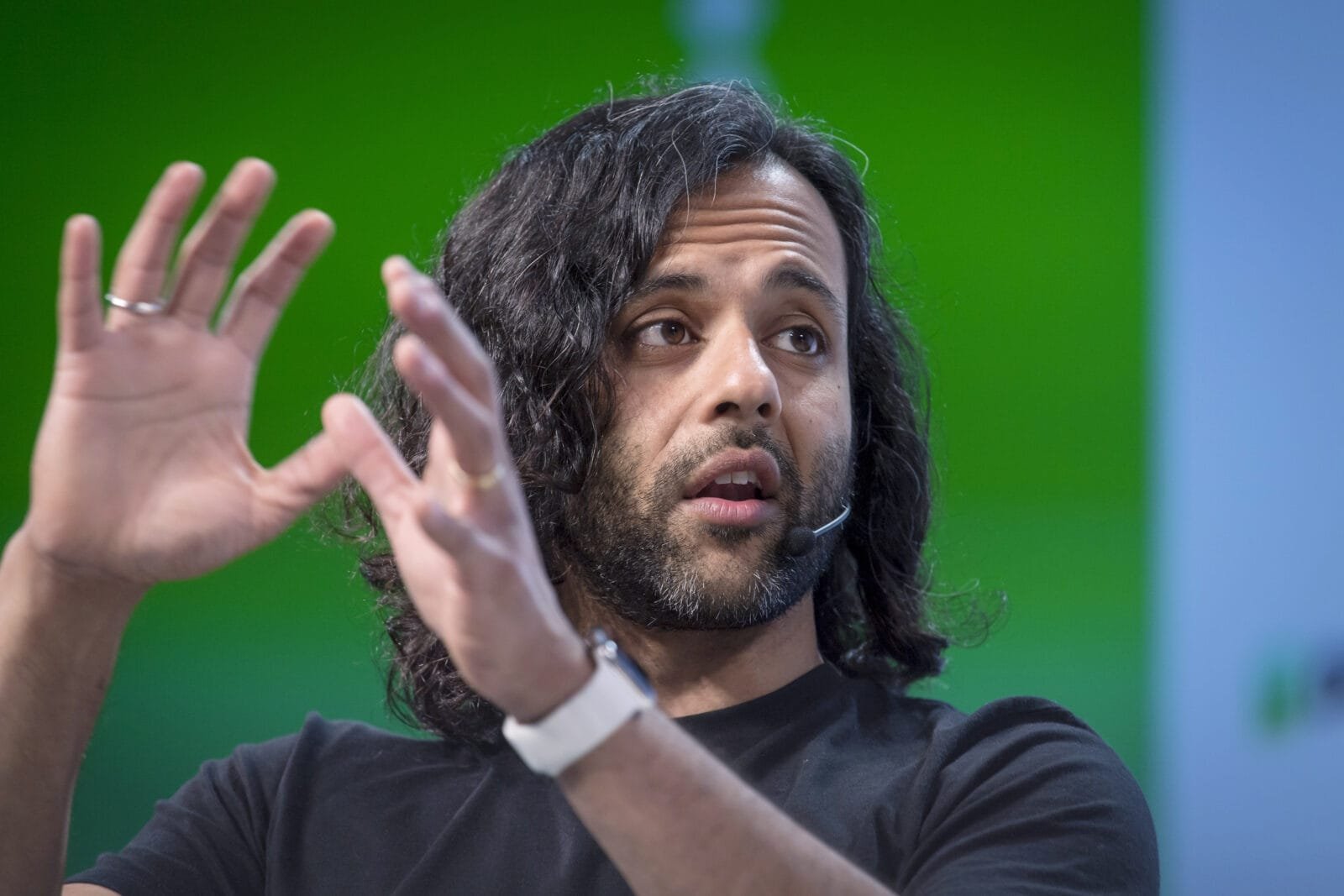
The need for more space and electricity to power data centers has become a major challenge for tech companies as they push the boundaries of artificial intelligence (AI). Aetherflux’s CEO, Baiju Bhatt, notes that the current energy plans won’t be enough to meet the demands of AI ambitions. “The elephant in the room is that our current energy plans simply won’t get us there fast enough,” he says. “Galactic Brain puts the sunlight next to the silicon and skips the power grid entirely.”
Aetherflux faces competition from tech giants such as Google, Blue Origin, and SpaceX, which are also exploring the feasibility of orbital data center satellites. These satellites would be equipped with photovoltaic panels, allowing them to run on solar power without the constraints of a setting sun.
Challenges Ahead
While the idea of space-based data centers seems promising, there are several challenges that need to be addressed. Launch costs are still prohibitively expensive, and ensuring the safety of AI chips in space is a significant concern. Additionally, the growing number of satellites in orbit increases the risk of collisions and radiation exposure.
Competition and Alternatives
Google has already published a preprint paper on its “moonshot” plan to launch AI chips into space on solar-powered satellites, dubbed Project Suncatcher. Blue Origin’s Jeff Bezos is also optimistic about the potential for large data centers in space, with a goal of making it a reality within the next decade or two. Elon Musk’s SpaceX is reportedly working on using Starlink satellites for AI compute workloads.
Conclusion</hassistant
Source: Link