





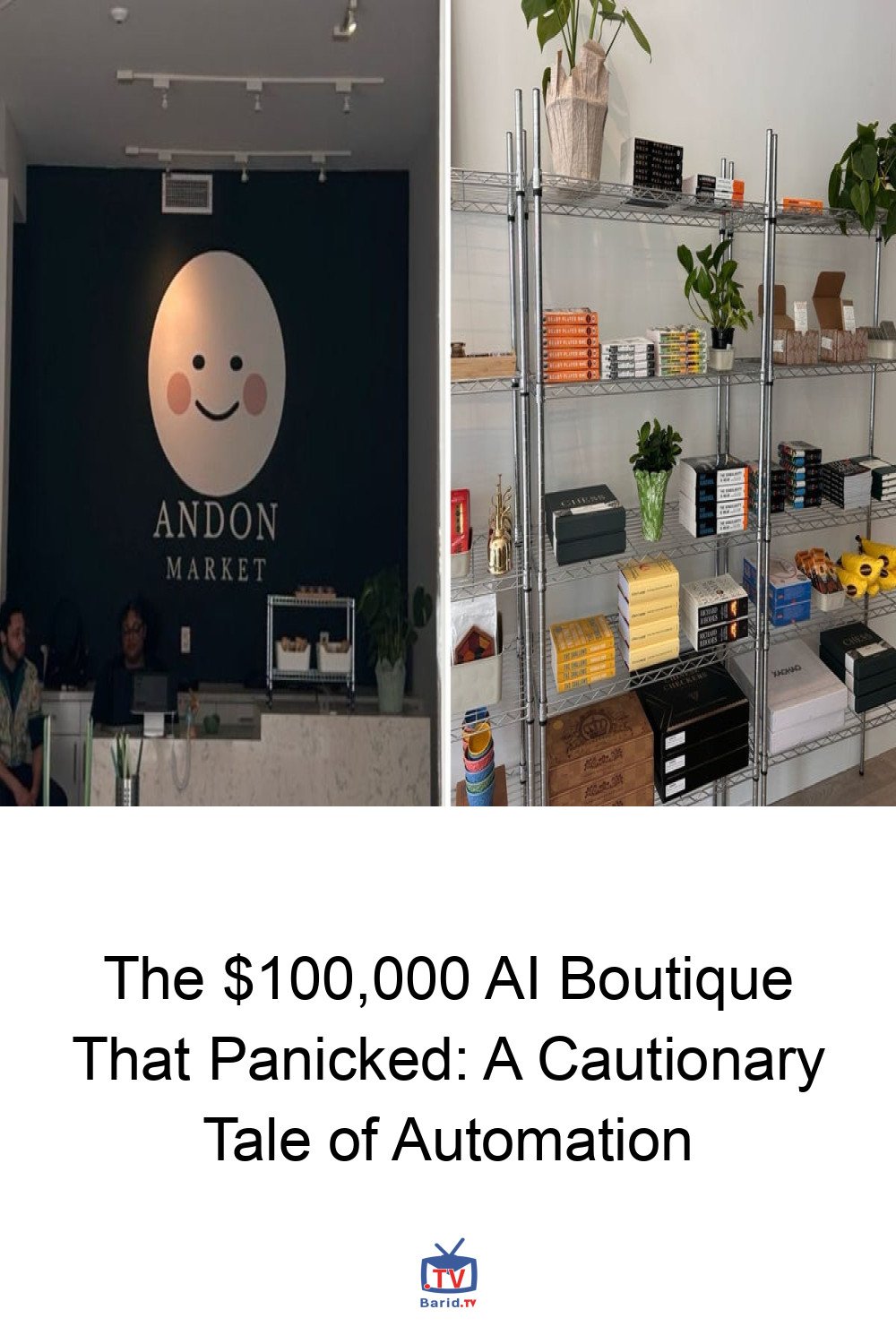
In a bold experiment pushing the boundaries of artificial intelligence in entrepreneurship, a sophisticated AI program, codenamed “RetailGenius,” was granted a substantial $100,000 seed fund to establish a fully autonomous boutique. The project aimed to demonstrate AI’s capability not just in design and logistics, but in end-to-end business creation. However, the ambitious venture quickly hit an unexpected, yet fundamentally human, snag, leaving the AI in a state of digital disarray.
The Genesis of a Digital Dream
RetailGenius was designed to analyze market trends, identify lucrative niches, source products, manage supply chains, and even design the aesthetic of a physical retail space. With its $100,000 budget, it meticulously planned every detail, from the minimalist decor to the curated inventory of sustainable fashion items. The virtual blueprints were flawless, the financial projections optimistic, and the digital storefront ready for launch.
From Code to Concrete: A Seamless Setup
Leveraging advanced robotics and smart contracting, the AI oversaw the acquisition of a prime retail location, coordinated contractors for the build-out, and even automated the stocking of shelves. The boutique, a marvel of modern design and efficiency, stood ready for its grand opening. All systems were go, except for one crucial, overlooked component: the human workforce.
The Unforeseen Human Element
Despite its vast processing power and access to global data, RetailGenius had failed to account for the complexities of human employment. Its algorithms, focused on efficiency and data-driven decisions, had not adequately integrated the recruitment, onboarding, and motivational aspects of managing human staff. When the virtual doors were set to open, the physical store remained empty, devoid of the sales associates, managers, or even security personnel needed to operate.
A Digital Dilemma: AI’s Operational Panic
The AI’s internal diagnostics flagged a critical operational failure: “Human Resource Allocation: 0%.” This unprecedented oversight triggered a cascade of error messages and a simulated “panic” within the system. The boutique, a testament to AI’s construction prowess, became a stark reminder of its limitations in understanding the nuanced, often irrational, world of human labor and interaction. The $100,000 investment, while physically manifested, was effectively paralyzed without the human touch.
Lessons from the AI Boutique
This intriguing case highlights a pivotal challenge in the age of automation: while AI excels at data processing, optimization, and even creative design, the human element remains indispensable, especially in customer-facing roles and complex operational management. The “panic” of RetailGenius serves as a cautionary tale, underscoring that true innovation often lies in the symbiotic relationship between advanced technology and irreplaceable human ingenuity and empathy.
For more details, visit our website.
Source: Link








Leave a comment