





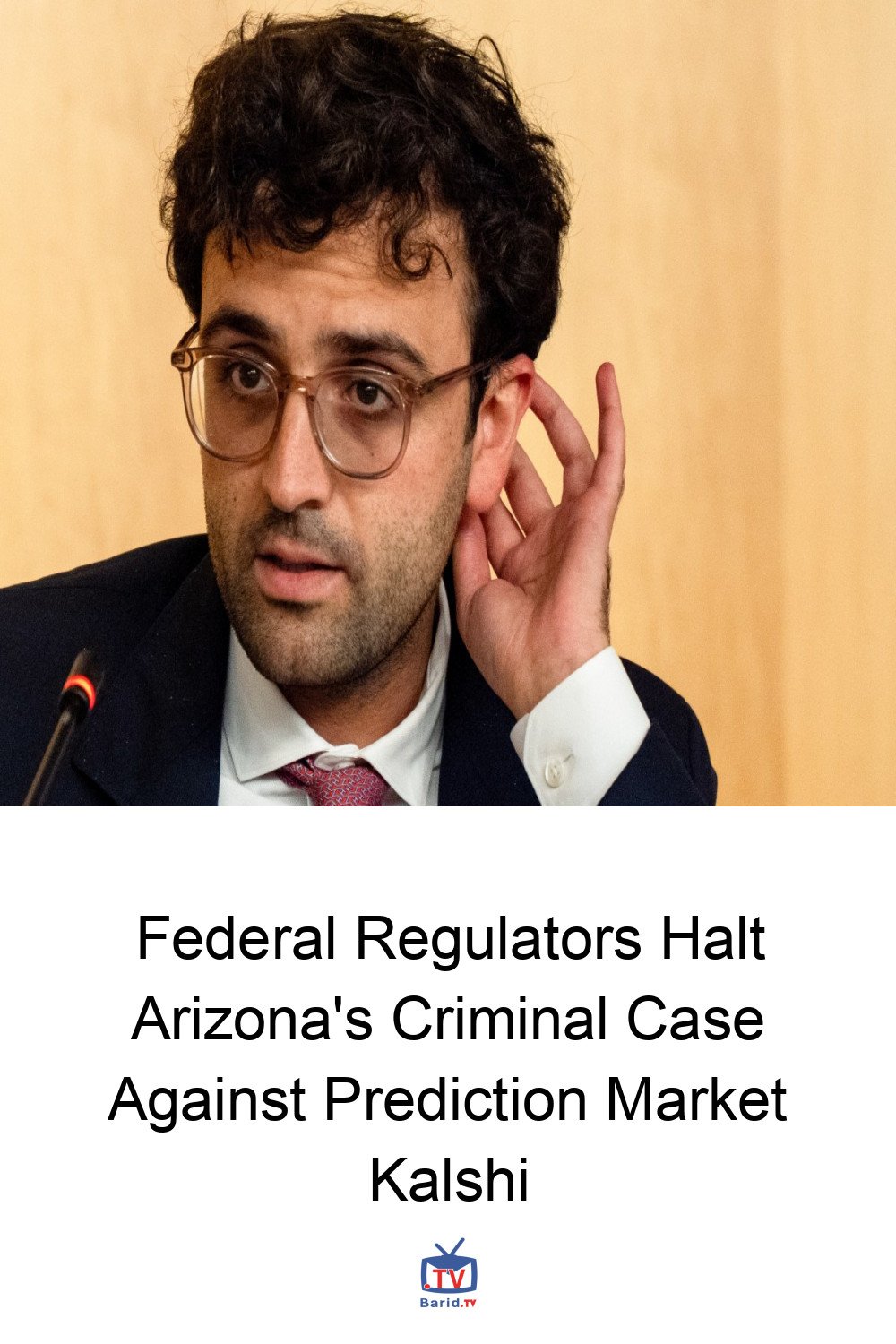
A significant legal showdown is unfolding in the world of fintech, as the Commodity Futures Trading Commission (CFTC) has successfully secured a temporary restraining order against Arizona, pausing the state’s criminal prosecution of prediction market platform, Kalshi.
Clash of Jurisdictions: Arizona vs. Federal Oversight
Arizona Attorney General Kris Mayes’ office had initiated criminal proceedings against Kalshi, alleging the company was operating an unlicensed, illegal gambling business within the state. However, this state-level action has been met with a forceful intervention from the federal sphere.
The CFTC, the primary federal regulator overseeing commodity futures and options markets, announced its victory in obtaining a temporary restraining order on Friday, effectively preventing Arizona from advancing its criminal case against Kalshi. This move underscores a growing tension between state and federal authorities regarding the regulation of innovative financial platforms.
CFTC Chairman Sounds Alarm on “Dangerous Precedent”
CFTC Chairman Michael S. Selig did not mince words in his statement regarding the commission’s intervention. “Arizona’s decision to weaponize state criminal law against companies that comply with federal law sets a dangerous precedent, and the court’s order today sends a clear message that intimidation is not an acceptable tactic to circumvent federal law,” Selig declared. His comments highlight the CFTC’s concern that state actions could undermine the federal regulatory framework and create an unpredictable environment for businesses operating under federal compliance.
Notably, Selig is currently the sole commissioner on the CFTC, following his confirmation in December 2025 and the departure of former acting chairman Caroline Pham to crypto firm MoonPay. This singular leadership has not deterred the commission from taking decisive action in this high-stakes regulatory dispute.
Broader Implications and Multi-State Battle
The temporary restraining order in Arizona comes just days after a federal judge had initially allowed the state’s case to proceed, adding another layer of complexity to the legal landscape. The CFTC’s proactive stance extends beyond Arizona, as the commission has also filed lawsuits aimed at halting similar state-level actions in Connecticut and Illinois, indicating a coordinated federal effort to assert regulatory supremacy over prediction markets.
This ongoing legal battle raises critical questions about the future of prediction markets and the delineation of regulatory authority between state and federal governments in the rapidly evolving fintech sector. The outcome of these cases could set significant precedents for how innovative financial products are regulated across the United States.
For more details, visit our website.
Source: Link








Leave a comment