





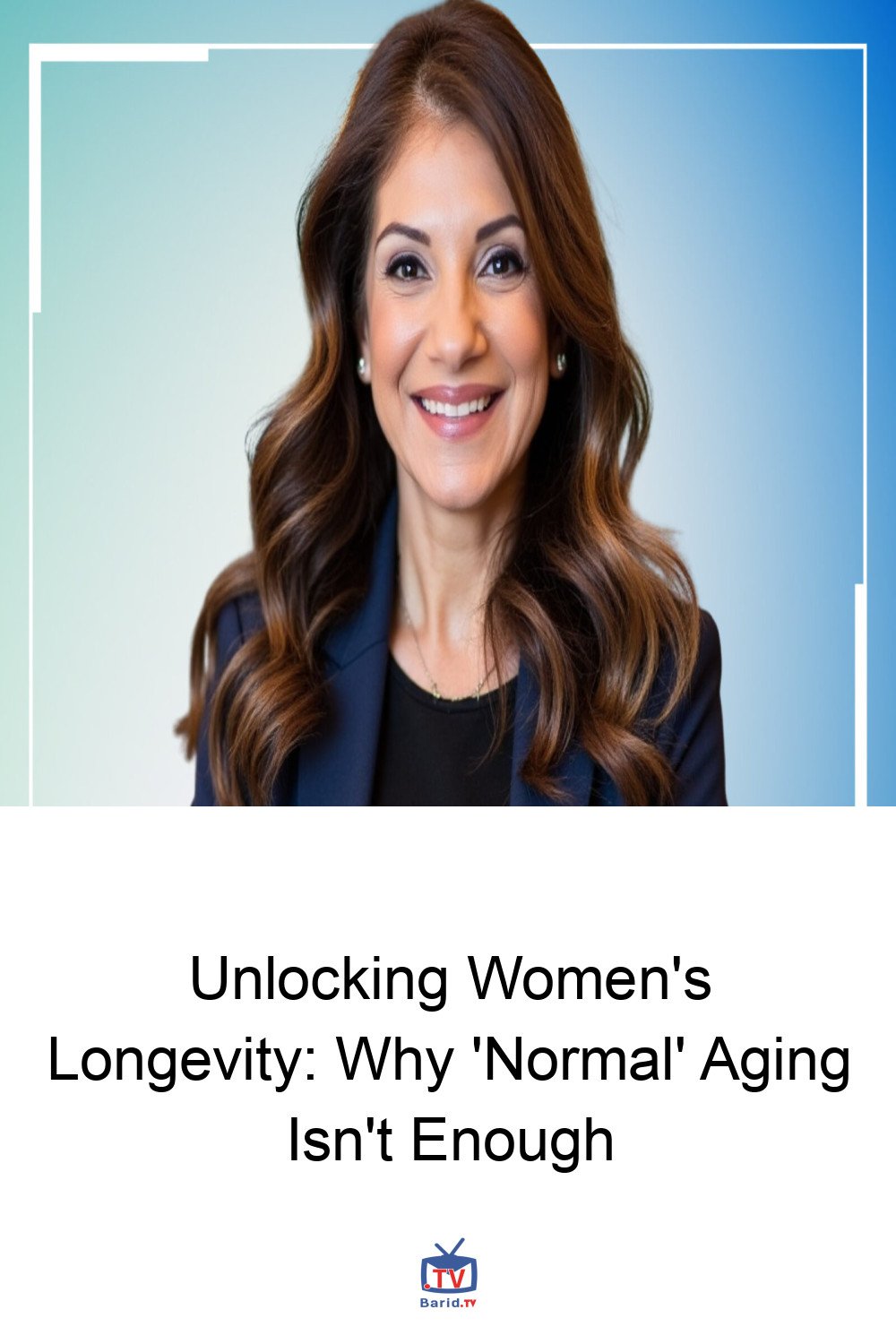
For too long, the narrative around women’s health has been fragmented, compartmentalized into distinct chapters: fertility, contraception, pregnancy, and menopause. Each stage, while critical, has often been treated in isolation, neglecting the intricate connections and foundational health that underpin a woman’s entire life journey. This piecemeal approach leaves many women entering midlife feeling unprepared and underserved, often told that their emerging symptoms are simply “normal” parts of aging.
But what if “normal” isn’t optimal? What if there’s a more proactive, integrated path to not just living longer, but living better? Dr. Jila Senemar, a board-certified OB/GYN with over two decades of experience, argues that true longevity care for women isn’t about chasing extra years, but about enriching the quality of the years we already have. It’s about shifting from a reactive, event-based medical model to a holistic, lifespan perspective focused on prevention, resilience, and functional health.
The Illusion of ‘Normal’ Aging
In clinical practice, a recurring pattern emerges: highly accomplished women, who have dedicated their lives to careers and families, reach midlife with little guidance on the profound physiological changes occurring within their bodies. Fatigue, sleep disturbances, weight shifts, aches, mood fluctuations, and cognitive fog are frequently dismissed as mere consequences of “getting older.” While technically true, this dismissal overlooks a crucial distinction: normal doesn’t equate to optimal, nor does it mean inevitable decline.
These symptoms are often early signals of measurable biological shifts impacting cardiovascular, metabolic, skeletal, and cognitive health. Modern medicine’s tendency to wait for overt disease rather than addressing these early indicators represents a significant missed opportunity for prevention and intervention.
Demystifying Longevity Care: Beyond the Hype
The term “longevity medicine” might conjure images of futuristic experiments or complex biohacking rituals. In reality, its core principles are grounded in established science and are remarkably straightforward. The primary objective is to extend healthspan — the period of life lived with strength, metabolic stability, cognitive clarity, and independence — rather than merely extending lifespan alone.
For women, this focus on healthspan is particularly vital because many conditions that ultimately compromise long-term health begin silently, decades before a formal diagnosis. The menopause transition, for instance, is a pivotal biological inflection point that remains surprisingly under-discussed in conventional medical settings, despite its profound impact.
Silent Shifts: The Unseen Impact on Women’s Health
- Cardiovascular Health: Cardiovascular disease remains the leading cause of death among women. Research, including studies published in Circulation, highlights that the menopause transition itself is independently linked to increased cardiovascular risk, irrespective of chronological age. Changes in vascular function, lipid profiles, and metabolic health often commence during this period, long before overt disease manifests.
- Metabolic Health: The decline in estrogen during midlife significantly influences metabolic health. A comprehensive review in Endocrine Reviews details how these hormonal shifts contribute to increased visceral fat accumulation, insulin resistance, and adverse lipid changes, all of which elevate long-term cardiometabolic risk.
- Bone Health: Bone density follows a similar trajectory. Studies reveal that a substantial portion of lifetime bone loss can occur during the menopausal transition, often well before osteoporosis or fractures are diagnosed. By the time bone density tests flag a problem, significant structural changes may have already taken place.
These are not inevitable signs of decline but rather predictable physiological transitions that present invaluable opportunities for earlier, more effective intervention.
Bridging the Knowledge Gap: Why Women Have Been Left Behind
Historically, women have been significantly underrepresented in clinical research. Hormonal variability was often erroneously considered a confounding factor, rather than an integral aspect of female physiology. While research inclusion has improved, persistent gaps in medical education and clinical training continue to affect women’s care.
Perimenopause, the often-overlooked prelude to menopause that can span eight to ten years, receives astonishingly little attention in many medical training programs. Consequently, women and their healthcare providers frequently find themselves in their 40s and early 50s without a clear understanding of the hormonal and metabolic shifts underway. Symptoms that signal crucial biological changes are often dismissed, leading to missed opportunities for proactive health management.
Beyond Biohacking: The Foundations of True Longevity Care
The current cultural fascination with “biohacking” — from cold plunges and restrictive diets to constant data tracking — can be alluring. While some practices may offer benefits, genuine longevity care is far more practical, sustainable, and rooted in foundational medicine. It’s not about quick fixes or extreme measures, but about consistent, evidence-based strategies.
True longevity care for women is built upon:
- Education: Understanding hormonal transitions and anticipating what to expect.
- Early Screening: Proactive cardiometabolic risk assessment.
- Preservation: Focused attention on maintaining bone density and muscle mass.
- Lifestyle Intervention:
Implementing evidence-based dietary, exercise, and stress management strategies.
By adopting this integrated, lifespan perspective, women can move beyond merely “normal” aging to embrace a future of optimal health, vitality, and true functional longevity.
For more details, visit our website.
Source: Link







Leave a comment