



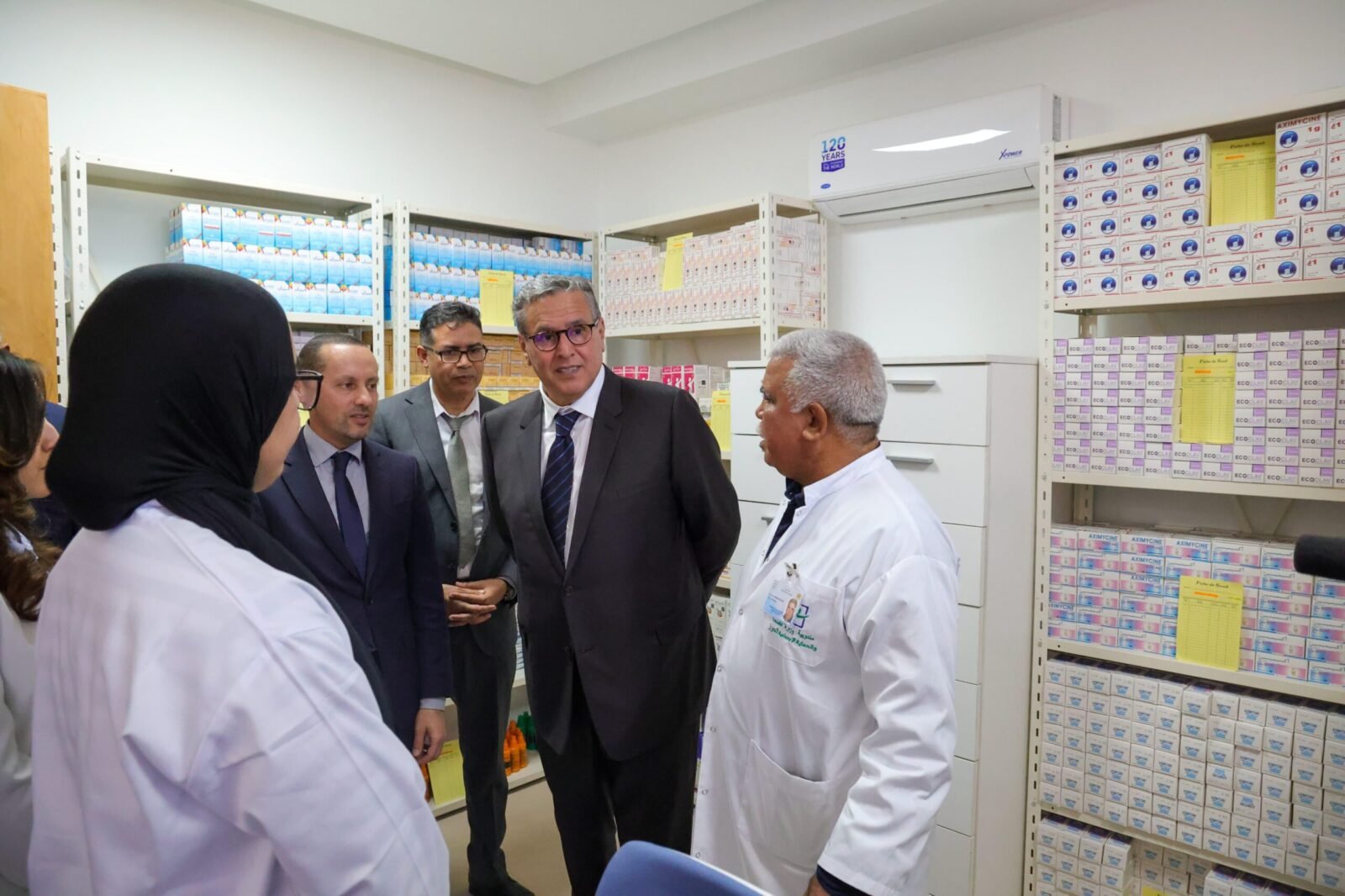

Casablanca – Morocco has successfully completed a monumental nationwide program, rehabilitating 1,400 primary healthcare facilities across all 12 regions. This ambitious initiative, backed by an investment exceeding MAD 6.43 billion, marks one of the most significant overhauls of frontline health services in the country’s recent history, poised to benefit over 20 million citizens.
A Landmark Achievement in Public Health
The Ministry of Health and Social Protection announced the program’s official closure following the launch of services at the Ait Ourir proximity hospital and the Tazart level-two rural health center in Al Haouz province. This milestone arrives at a crucial juncture for Morocco’s health system, which has been under intense public scrutiny amid calls for improved conditions and training quality.
Investment and Reach
With a staggering investment of over MAD 6.43 billion, the project’s reach extends to both urban and rural populations. The government emphasized that these were “beyond simple renovations,” encompassing comprehensive infrastructure upgrades, the integration of modern medical equipment, and the rollout of an advanced, integrated digital information platform.
Health officials are optimistic that these enhancements will streamline patient pathways, elevate service quality, and alleviate the burden on larger hospitals by fortifying primary care as the foundational step in the treatment journey.
Beyond Renovations: A Holistic Upgrade
The transformation of these 1,400 centers represents a multi-faceted approach to modernizing Morocco’s healthcare infrastructure. Each facility has been reimagined to offer more efficient and accessible services, reflecting a commitment to patient-centric care.
Technological Integration
A key component of this overhaul is the expansion of digital systems. The integrated information platform is designed to connect facilities, improve data management, and ultimately enhance the coordination of care across the network. This digital leap is crucial for a modern, responsive health system.
Regional Impact
The program’s benefits are distributed broadly across the kingdom, with some regions receiving particularly substantial upgrades:
- Fez-Meknes led with 229 rehabilitated facilities, supported by over MAD 1.024 billion.
- Souss-Massa saw 183 sites upgraded, while the Oriental region benefited from 164.
- Marrakech-Safi and Beni Mellal-Khenifra recorded 139 and 143 upgraded facilities, respectively.
- Rabat-Sale-Kenitra covered 90 facilities, Casablanca-Settat 111, and Tanger-Tetouan-Al Hoceima 127.
- The southern regions were also significantly included: Laayoun-Sakia El Hamra (31), Dakhla-Oued Eddahab (8), Guelmim-Oued Noun (119), and Draa-Tafilalet (56).
Addressing the Challenges and Looking Ahead
While the completion of this program is a significant victory, it unfolds against a backdrop of ongoing public discourse and challenges within Morocco’s health sector. The initiative aligns with the broader national health reform agenda, including framework law 06-22 and Morocco’s 2030 universal health coverage goals, yet the path to comprehensive reform is not without its hurdles.
Public Scrutiny and Student Protests
The health system has faced considerable public scrutiny, exacerbated by youth-led demonstrations in late 2025 highlighting concerns over outdated medical equipment, specialist shortages, and unequal access to care, particularly outside urban hubs. A prolonged medical student crisis also brought to light issues such as reduced clinical hours, overcrowded training environments, and the system’s capacity to absorb reforms.
More recently, in March, dental students in Casablanca protested shortages of clinical equipment and the expectation to cover tool costs during hospital training, underscoring the persistent structural challenges within the public health ecosystem.
The Road Ahead: Sustaining Progress
Looking forward, health officials have outlined a clear strategy for the next phase. This includes a strong focus on preventive maintenance for the newly rehabilitated sites, expanding the use of electronic medical records, and providing continuous training for healthcare professionals. A comprehensive assessment of the program’s impact is also planned.
The long-term vision aims to extend these efforts across the entire national healthcare network, ensuring that new facilities are established in areas still lacking adequate coverage. This commitment underscores Morocco’s dedication to building a resilient, accessible, and high-quality healthcare system for all its citizens.
For more details, visit our website.
Source: Link








Leave a comment