




America’s Fuel Shock: Geopolitical Tensions Ignite Price Hikes
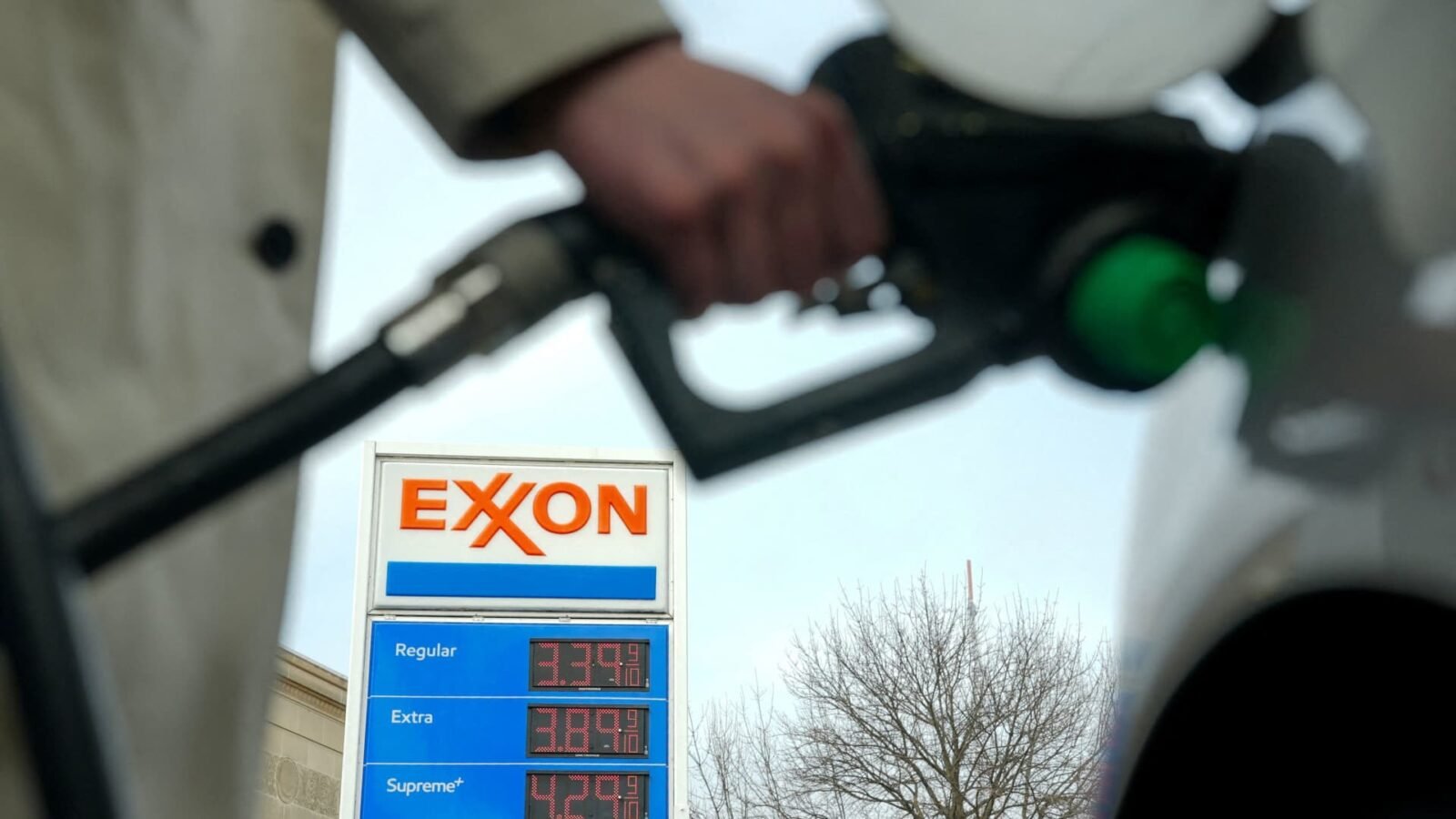
The American consumer is once again facing a stark reality at the pump as average U.S. gasoline prices have officially breached the $4 per gallon mark, a level not seen since August 2022. This significant surge, representing over a 30% increase since late February, is directly attributed to escalating geopolitical tensions following U.S. and Israeli military actions against Iran. The impact extends beyond gasoline, with diesel prices rocketing over 40% to more than $5 per gallon, signaling broader economic challenges ahead.
The Alarming Ascent of Fuel Costs
The nationwide average for gasoline now stands at $4.018, according to the travel association AAA, marking a critical threshold for households and businesses alike. This rapid escalation mirrors the volatility witnessed during Russia’s war against Ukraine, highlighting the fragility of global energy markets in the face of international conflict. Vice President JD Vance acknowledged the “rough road” ahead for consumers but offered assurances that the current spike is temporary, expected to subside once the conflict de-escalates.
The ripple effect is profound. Oil prices, the bedrock of fuel costs, have surged by over 50% since the war’s onset. Brent crude, the international benchmark, is on track for its most significant monthly gain since its futures contract inception in 1988, while U.S. crude oil is eyeing its largest single-month increase since 2020. Macquarie Group’s head of economics, David Doyle, projects a 25% increase in average monthly gas prices for March compared to February, a jump not witnessed since October 1990.
Diesel’s Economic Domino Effect
The surge in diesel prices, crossing the $5 per gallon threshold on March 17, carries particularly severe implications for the U.S. economy. As the lifeblood of the nation’s logistics—powering trucks, freight trains, and agricultural machinery—higher diesel costs translate directly into increased expenses for transporting goods. Andy Lipow, president of Lipow Oil Associates, warns that while consumers have already felt the pinch from gasoline and jet fuel, “the full effects of the higher diesel prices has yet to be felt and that will flow through the economy over the next few months.”
Inflationary Pressures Mount
Experts like Patrick De Haan, head of petroleum analysis at GasBuddy, predict that these elevated fuel costs will swiftly ignite additional inflation. Consumers could begin to see the impact as early as April, with higher prices for groceries and online purchases becoming commonplace. This broad inflationary pressure poses a significant challenge to economic stability and household budgets.
Government Response and the Path Forward
The Trump administration has initiated several measures to mitigate the rising prices, though their efficacy against the scale of the current disruption remains uncertain. Energy Secretary Chris Wright indicated plans to bolster diesel supply, stating, “We do have some ideas on diesel, that we can bring extra diesel to the marketplace.” The Environmental Protection Agency (EPA) has also temporarily waived restrictions on the sale of E15 gas, a fuel blend containing 15% ethanol, in an effort to increase supply and ease prices. This waiver, effective May 1 through May 20, could be extended if conditions warrant.
The Strait of Hormuz: A Global Chokepoint
At the heart of the crisis is the Strait of Hormuz, a critical maritime artery through which approximately 20% of global oil supplies flowed before the conflict. Attacks by Iran have severely disrupted tanker traffic, leading to a plunge in oil exports and forcing Gulf Arab producers to cut production due to a lack of storage capacity. The International Energy Agency (IEA) has labeled this the “biggest oil supply disruption in history.” Analysts are clear: for prices to stabilize, oil movement through the Strait must resume. As De Haan notes, “The president doesn’t have a whole lot of levers” to address a disruption of this magnitude without a resolution to the underlying conflict.
For more details, visit our website.
Source: Link






Leave a comment