





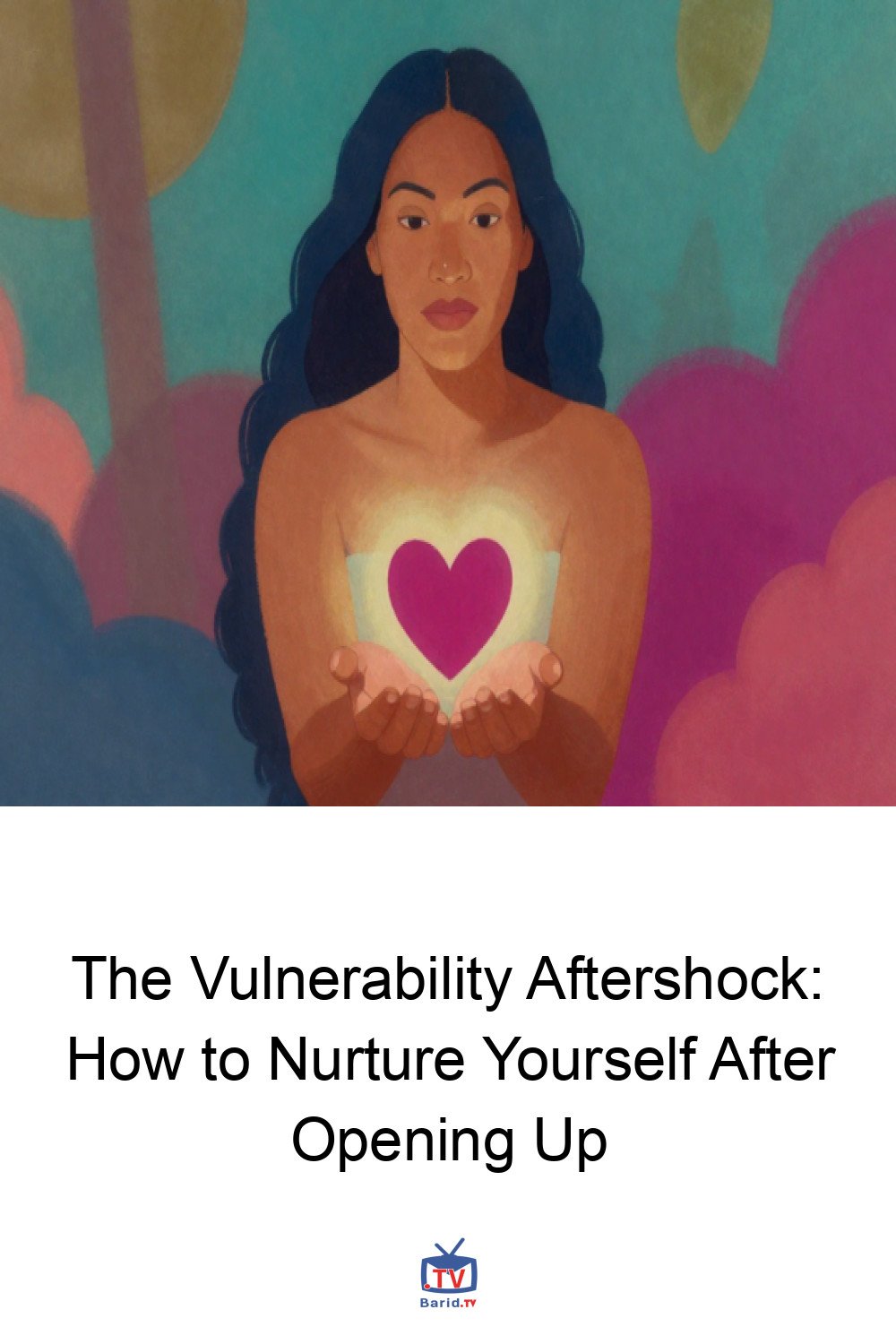
“Vulnerability is the only path through the wall that separates us from each other.” ~Brené Brown
There’s an undeniable pull to share our deepest truths. Whether it’s an article, a heartfelt post, or a raw piece of our story confided to a trusted friend, a surge of energy often accompanies the act. It’s a belief that our experiences, when laid bare, will resonate with others, fostering connection and alleviating the profound sense of isolation. For the storyteller, it’s a powerful act of healing, a way to process and understand one’s own journey. The raw, unfiltered truth of human experience holds an immense, almost sacred power.
And yet, for many, the moment after pressing “publish” or opening one’s heart is often met with a familiar, unsettling wave. An intense tightness in the chest, a sinking feeling in the belly, a torrent of second-guessing: Did I say too much? Was that courageous, or merely careless? Will I still be loved and accepted now that I’ve been truly seen?
The Unspoken Aftermath: A Personal Journey
I distinctly recall the first time I dared to share something profoundly raw in a public forum. It was a memory from a yoga retreat in the Australian rainforest. Our group stumbled upon a pristine creek, its waters shimmering, seemingly inviting us in. Swimsuits were absent, swimming unplanned, yet some women, emboldened by a sense of freedom and connection, shed their clothes and plunged into the cool embrace of the water.
I stood mesmerized, torn between admiration for their courage and the ingrained whispers of my own conditioning:
My body isn’t perfect, not thin enough, too marked by motherhood, and I hadn’t shaved… The internal debate raged, but eventually, a deeper longing won. I partly undressed and stepped into the stream, allowing the water to envelop me. In that moment, a liberation I hadn’t realized I craved washed over me. My skin, alive with the soothing coolness of the spring, felt utterly free. My body, with its newfound curves and softness, transformed from a source of shame into a miraculous vessel of life and experience.
I hit “publish” on that story with a thrill of excitement. But almost immediately, the familiar wave crashed: a knot in my stomach, a tightening in my solar plexus. Shame. Embarrassment. Had I revealed too much? What would my clients think of a women’s coach admitting such insecurities?
Yet, the response was overwhelmingly beautiful. Women wrote back, expressing profound resonance, recognizing their own struggles with body image, and finding inspiration in the shared vulnerability. That initial, raw act of sharing planted seeds of connection far beyond my wildest expectations.
This experience taught me a vital truth: the intense emotional aftermath we often feel after sharing doesn’t signify a mistake. It signifies that we’ve touched something authentic, something deeply true within ourselves and potentially within others.
Understanding the ‘Vulnerability Hangover’
What I’ve come to understand is that this emotional comedown is incredibly common. Many refer to it as a “vulnerability hangover”—the emotional residue that lingers after an act of profound openness. When we share something genuinely real, we step out from behind our carefully constructed defenses. We allow ourselves to be truly seen. And once that moment of exposure passes, our ancient nervous system, wired for survival and belonging, instinctively asks: “Am I safe now?”
This primal question can manifest as a cascade of uncomfortable emotions: sadness, anxiety, shame, regret, a gnawing fear of rejection, or an overwhelming urge to retreat and hide. It’s crucial to remember that these feelings don’t invalidate the act of sharing. They simply confirm our humanity, our innate desire for acceptance and belonging.
Conscious Connection vs. Careless Exposure
For a long time, I mistook this post-sharing wave for a sign of “oversharing.” However, I’ve since learned to differentiate. Oversharing isn’t defined by the quantity of what you reveal, but rather by the underlying intention and context of your revelation.
Signs of Oversharing:
- It stems from a need to regulate your own emotions, rather than from a place of self-holding and internal processing.
- The emotional wound is still actively bleeding, not gently forming a scar, indicating a lack of prior healing.
- You are primarily seeking reassurance, validation, or relief from others, rather than offering a genuine piece of yourself.
- The sharing occurs without mindful consideration for the relationship dynamic or the safety of the “container” in which it’s shared.
- Afterward, you feel depleted, ashamed, fragmented, or regretful.
Oversharing isn’t a failure; it’s a powerful signal that a part of you needed more internal support and processing before being exposed.
Characteristics of Conscious Sharing:
- It originates from a place of self-connection and inner strength, not from a desperate need for external emotional regulation.
- It is an intentional, deliberate choice, made with awareness and purpose.
- It respects appropriate timing, personal boundaries, and the specific context of the relationship or situation.
- While it may leave you feeling tender and exposed, you remain fundamentally intact and aligned with your authentic self.
- It feels right and true, even if it brings a degree of discomfort.
Both forms of sharing can evoke strong emotions. However, only conscious sharing truly honors your authentic self and fosters genuine connection.
Nurturing Yourself Through the Aftershock
Navigating the vulnerability hangover requires self-compassion and deliberate self-care. Here are some ways to tend to yourself:
- Acknowledge and Validate: Recognize that the feelings are normal. Don’t judge yourself for feeling anxious or regretful.
- Ground Yourself: Engage in practices that bring you back to your body and the present moment, such as deep breathing, meditation, or a walk in nature.
- Self-Soothing: Treat yourself with kindness. This might mean a warm bath, a comforting meal, listening to calming music, or simply resting.
- Reaffirm Your Intentions: Remind yourself why you chose to share. Was it for connection, healing, or to inspire? Reconnecting with your purpose can diminish regret.
- Seek Safe Support: If the feelings are overwhelming, reach out to a trusted, non-judgmental friend, therapist, or mentor who can hold space for you without judgment.
- Practice Patience: The intensity will pass. Allow yourself time to process and integrate the experience.
Embracing vulnerability is a courageous act, a cornerstone of authentic human connection. Learning to navigate its emotional aftermath with grace and self-compassion transforms it from a daunting challenge into a powerful pathway for personal growth and deeper, more meaningful relationships.
For more details, visit our website.
Source: Link







Leave a comment