



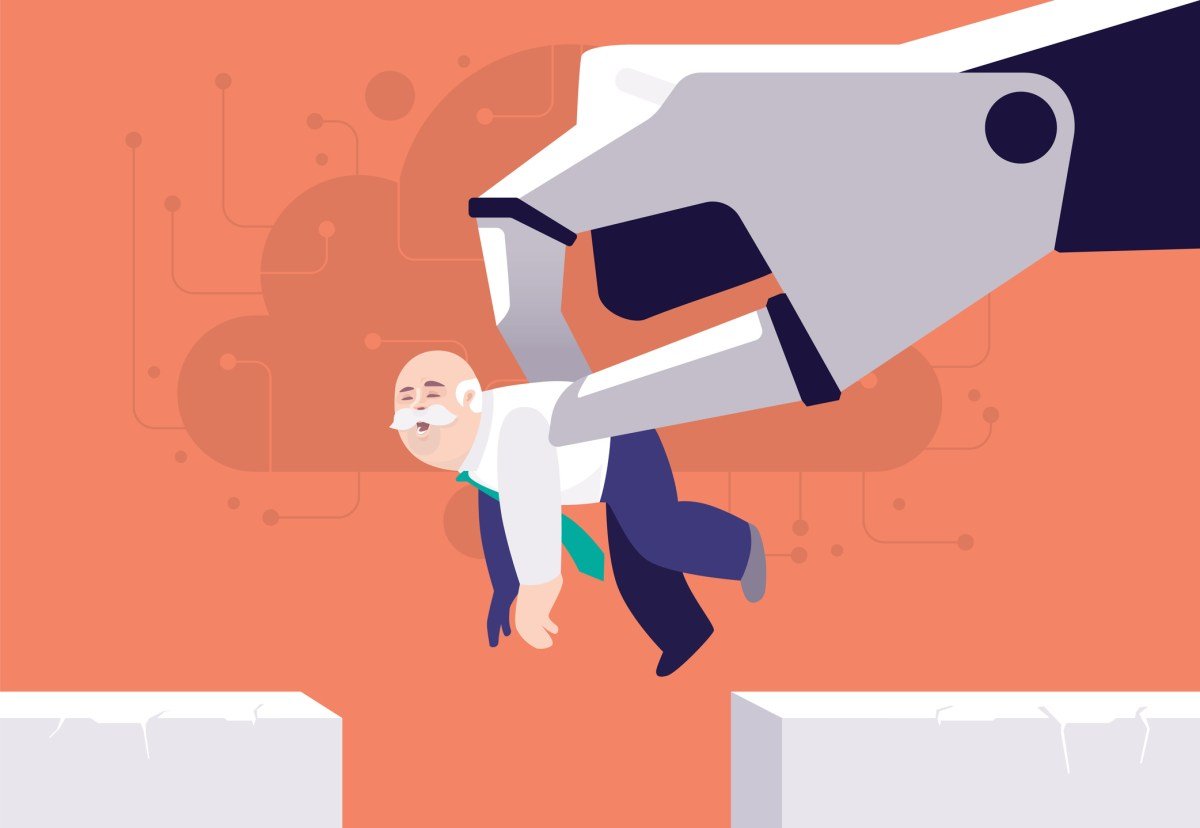

The landscape of the modern workplace is undergoing a seismic shift, driven by the relentless march of artificial intelligence. While the notion of a robot boss might once have been confined to science fiction, a new poll suggests a significant portion of the American workforce is surprisingly open to the idea.
The Dawn of the Digital Supervisor
According to a recent Quinnipiac University poll, published on March 30, 2026, a notable 15% of Americans expressed willingness to report directly to an AI program. This isn’t about AI assisting human managers; it’s about a fully autonomous system assigning tasks, setting schedules, and overseeing daily operations. The survey, conducted between March 19 and 23, 2026, engaged 1,397 adults across the United States, delving into their perceptions of AI adoption, trust, and job security.
While the majority of respondents still prefer the human touch in management, this 15% figure signals a growing acceptance and curiosity towards AI’s potential in leadership roles. It challenges traditional hierarchical structures and hints at a future where our colleagues might not be the only non-human entities in the office.
AI’s Quiet Takeover: Beyond Human Oversight
The idea of an AI supervisor isn’t merely theoretical; it’s already manifesting in various forms across corporate America. Companies are increasingly integrating AI into functions traditionally handled by middle management, streamlining operations and, in some cases, reducing human oversight:
Automated Administration:
Platforms like Workday have introduced AI agents capable of filing and approving expense reports, taking over mundane yet crucial administrative tasks from employees and their human supervisors.
Streamlining Operations at Scale:
Amazon has been at the forefront, deploying advanced AI workflows to absorb responsibilities previously held by thousands of middle managers, leading to significant structural changes within the company.
Pre-Meeting AI Gatekeepers:
Engineers at Uber even developed an AI model of their CEO, Dara Khosrowshahi, to pre-screen pitches, ensuring only the most refined ideas reach the actual executive. This acts as a digital filter, optimizing executive time.
These examples illustrate a broader trend some experts are dubbing “The Great Flattening,” where AI systematically replaces layers of management, leading to leaner, more automated organizational structures. The vision of “billion-dollar companies of one,” powered by fully automated employees and executives, might be closer than we think.
The Double-Edged Sword: Opportunity and Anxiety
Despite the potential for efficiency and innovation, the rise of AI in the workplace is not without its anxieties. The Quinnipiac survey highlighted a significant undercurrent of concern among Americans regarding their job prospects:
- A substantial 70% of respondents believe that advancements in AI will inevitably lead to a reduction in overall job opportunities for people.
- Among those currently employed, 30% expressed either significant or moderate concern that AI could render their specific job obsolete.
This apprehension underscores a critical challenge for businesses and policymakers: how to harness the transformative power of AI while mitigating its potential disruptive impact on human employment. As AI continues its integration into the fabric of our professional lives, the conversation around adaptation, reskilling, and the ethical implications of digital leadership will only intensify.
The question is no longer if AI will manage us, but to what extent we are prepared to be managed by it, and what that means for the human element of work.
For more details, visit our website.
Source: Link







Leave a comment