




Democrats Push for Stricter Ethics on Prediction Markets
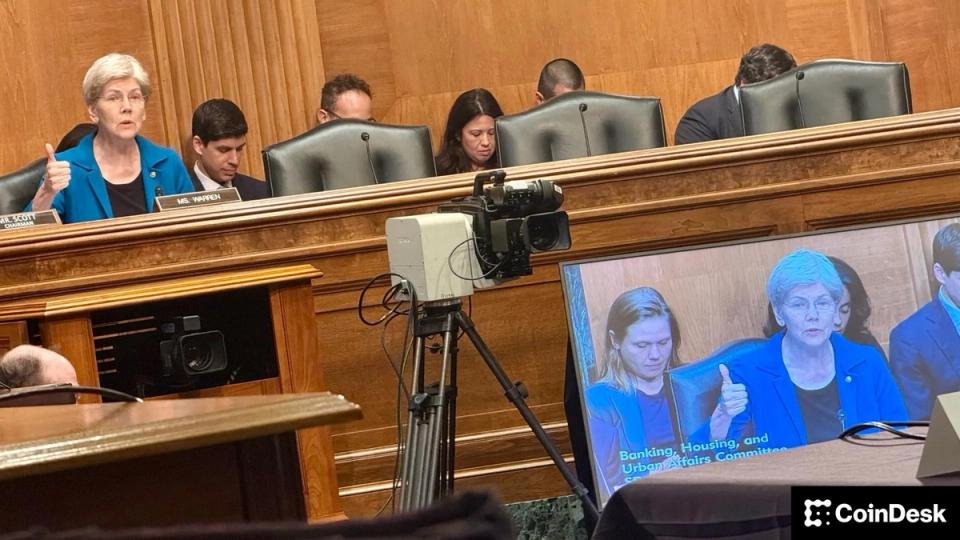
A powerful coalition of Democrats from both the U.S. Senate and House of Representatives is urging federal regulators to issue a stark warning to government officials: insider trading on prediction markets is illegal and will not be tolerated. Led by prominent figures like Senator Elizabeth Warren and Senator Cory Booker, these lawmakers are demanding clear guidance from the Commodity Futures Trading Commission (CFTC) and the U.S. Office of Government Ethics (OGE) to prevent federal employees from profiting from non-public information.
The Rise of Prediction Markets and the Insider Threat
Prediction markets, platforms such as Polymarket and Kalshi, allow users to bet on the outcome of future events, ranging from political elections to economic indicators and even military actions. While offering a unique way to gauge public sentiment, these markets have recently become a source of concern for lawmakers. A series of suspicious incidents, where bets on government or military actions appeared to be placed by individuals with privileged insight, has ignited fears of potential insider trading by federal officials or their associates.
U.S. derivatives laws explicitly prohibit government officials from making trades based on non-public information acquired through their work. Given that the CFTC has categorized contracts on these prediction market firms as regulated derivatives, the existing ban on insider trading should unequivocally apply.
A Unified Call for Action from Congress
More than 40 Democrats, including the ranking members on key committees such as the Senate Banking Committee (Senator Elizabeth Warren) and Senate Agriculture Committee (Senator Cory Booker), have co-signed a letter to CFTC Chairman Mike Selig and the leaders of the OGE. The letter, dated March 29, specifically requests that the agencies “circulate executive branch-wide guidance explaining that federal employees must refrain from insider trading in prediction markets.”
The lawmakers emphasized, “We ask that the CFTC and OGE issue guidance reminding federal employees of their existing legal obligation to refrain from using their insider governmental information to profit from prediction market trades.”
Documented Instances Fueling Concern
The letter highlighted several alarming instances of potential insider trading. These included contracts related to military actions in Venezuela and Iran, predictions on the duration of a speech by President Donald Trump’s press secretary, and even bets concerning the firing of former Department of Homeland Security Secretary Kristi Noem. Such patterns strongly suggest that individuals with access to sensitive government information may be exploiting these platforms for personal gain.
Further underscoring the gravity of the situation, top Democrats on the House Agriculture Committee (Representative Angie Craig) and the House Financial Services Committee (Representative Maxine Waters) also signed the letter. These agriculture panels hold direct oversight responsibility for the CFTC, indicating a unified legislative front on this issue.
Regulatory Scrutiny and the Crypto Connection
The CFTC, under Chairman Selig, is already in the process of developing new policies to regulate prediction markets. This initiative is closely intertwined with the broader landscape of cryptocurrency regulation, a significant focus for many of the lawmakers involved in this push. Many of these same legislators are also working on the stalled Digital Asset Market Clarity Act in the Senate, highlighting the interconnected nature of these financial frontiers.
Adding another layer of urgency, recent reports indicate that federal prosecutors have engaged with prediction market firms to investigate whether specific trading instances could warrant insider-trading charges. This suggests that the issue is not merely a matter of ethical guidance but could lead to legal repercussions for those found in violation.
As prediction markets continue to grow, the demand for clear ethical boundaries and robust enforcement against insider trading becomes paramount. The actions of these Democrats signal a clear intent to safeguard the integrity of government and public trust against exploitation in these evolving financial arenas.
For more details, visit our website.
Source: Link







Leave a comment