





“Be gentle with yourself. You’re doing the best you can.” ~Unknown
For years, I championed self-awareness as the ultimate key to unlocking inner peace and personal growth. The promise was alluring: understand your triggers, decipher your patterns, heal old wounds, and finally achieve a state of calm, stability, and wholeness. Driven by this conviction, I immersed myself in self-help literature, meticulously journaled nightly, and endlessly replayed conversations, dissecting every word, intention, and missed opportunity. My reactions became puzzles to be solved, my inner world a constant subject of intense study.
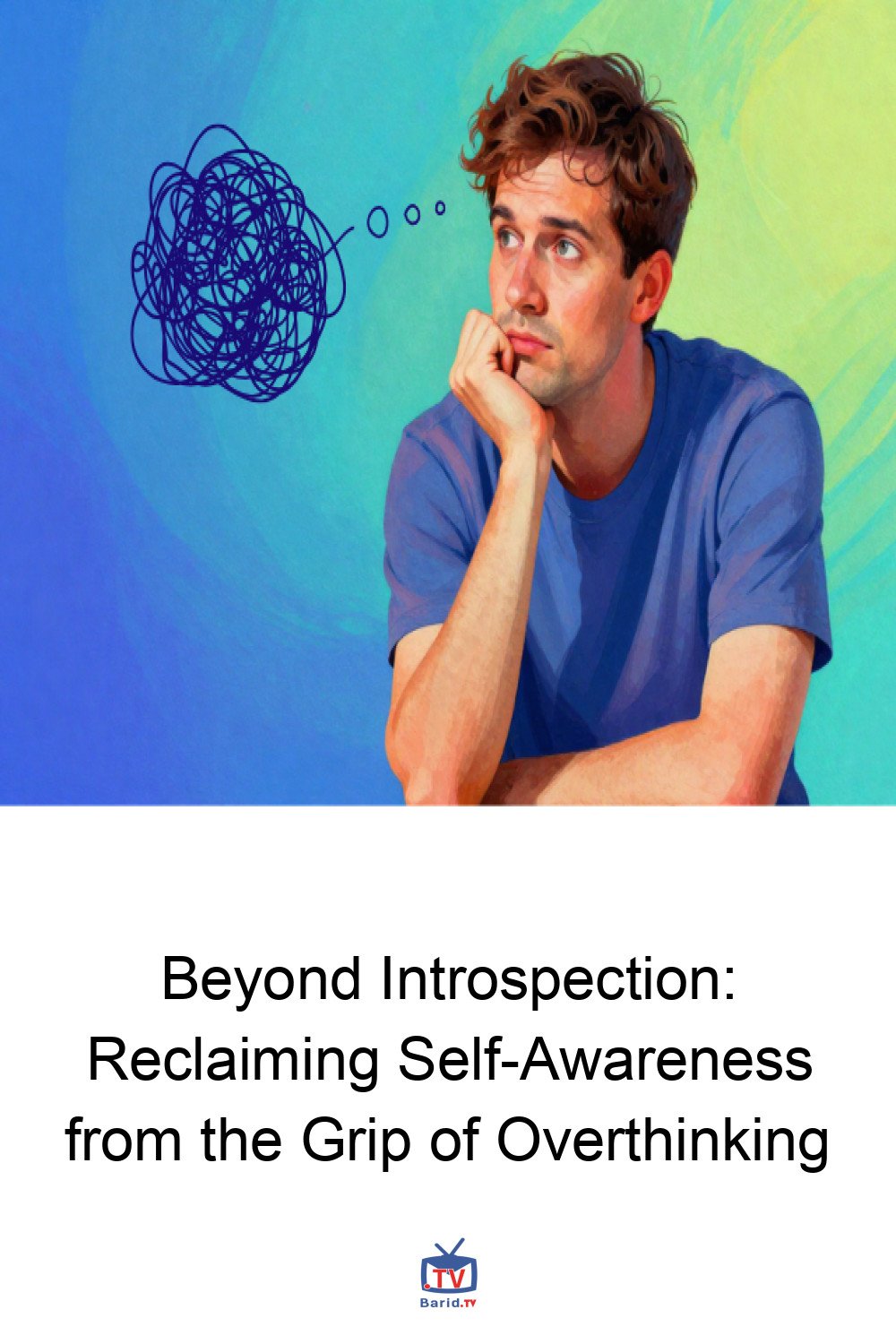
Initially, this deep dive felt profoundly empowering. I was evolving, becoming more “conscious,” reflective, and emotionally intelligent. Yet, a subtle, insidious shift began to occur. Instead of feeling liberated, I felt increasingly constrained. Clarity eluded me, replaced by a relentless cacophony of mental noise. The path to healing seemed to diverge into a labyrinth of perpetual overthinking.
When Introspection Morphs into Self-Surveillance
The transformation was gradual, almost imperceptible. A casual chat with a friend would leave me sleepless, the conversation replaying on an endless loop. “Did I phrase that correctly? Was I defensive? Did I reveal too much? Was my insecurity showing?” I rationalized this as growth, a responsible act of a truly self-aware individual. After all, isn’t reflection a cornerstone of personal development?
The uncomfortable truth, however, was that I wasn’t reflecting; I was scrutinizing. There’s a critical distinction between observing your internal landscape and placing yourself under an unforgiving microscope. Unbeknownst to me at the time, my pursuit of self-awareness had devolved into a relentless campaign of self-surveillance. And living under such constant internal scrutiny is, quite simply, utterly exhausting.
The Tipping Point: A Question That Changed Everything
The realization struck one evening. After nearly an hour spent mentally dissecting a perfectly ordinary interaction, a wave of profound frustration washed over me. It wasn’t directed at anyone else, but squarely at myself. A pivotal question formed in my mind: “If this is what growth feels like, why do I feel worse?”
That question was a circuit breaker. Self-awareness, I had always believed, was meant to foster a deeper sense of belonging within myself, not alienate me from it. It was then I grasped a crucial insight: I hadn’t been growing; I had been attempting to control. Overthinking had become my desperate strategy to preempt rejection, avoid embarrassment, and prevent future mistakes. The flawed logic was simple: if I could analyze every scenario deeply enough, perhaps I could sidestep pain altogether. But no amount of mental rehearsal can conjure emotional safety; it only serves to amplify anxiety.
Reclaiming Self-Awareness: A Gentler Path Forward
In retrospect, my desire for self-awareness wasn’t the culprit. The issue lay in the underlying energy driving it. Curiosity had subtly mutated into fear. Reflection had twisted into relentless self-correction. Growth had become synonymous with immense pressure. And pressure, unequivocally, is not healing.
If this resonates with you—if your earnest desire for self-improvement has paradoxically fueled anxiety—understand that you are not flawed. You simply need to recalibrate your approach to self-awareness. Here are some transformative lessons that guided my shift from the grip of overthinking to a more compassionate and effective form of introspection:
1. Noticing Is Enough
I once operated under the belief that every insight demanded immediate rectification. Noticed a tendency to people-please? Fix it. Spotted an insecurity? Eradicate it. Felt discomfort? Resolve it. But sometimes, simply noticing is sufficient. There’s a profound, quiet power in the simple acknowledgment: “Oh, I see that.” Without judgment. Without urgency. When I released the demand for instant transformation from every revelation, something within me softened. Awareness became lighter, less aggressive. True growth doesn’t always necessitate immediate action; sometimes, it merely requires gentle acknowledgment.
2. Ask “What Do I Need?” Instead of “What’s Wrong With Me?”
Overthinking often originates from a harsh, accusatory question: “Why am I like this?” This question is inherently laden with self-criticism. When I consciously replaced it with: “What do I need right now?” the entire dynamic shifted. After replaying a conversation, instead of dissecting it for flaws, I began to inquire: Am I tired? Am I anxious? Do I need reassurance? Do I simply need rest? More often than not, the answer wasn’t more cognitive analysis; it was comfort. Overthinking is frequently a symptom of unmet emotional needs, not a sign of personal failure.
3. Regulate Before You Reflect
My past attempts at reflection often occurred while I was emotionally activated—heart pounding, chest tight, mind buzzing. This is, unequivocally, the least opportune moment for self-evaluation. Now, if I sense myself spiraling into analytical overdrive, I pause. I take a slow walk. I practice deeper, more intentional breathing. I place a hand over my chest and focus on lengthening my exhale. As my body calms, my thoughts gain clarity and, crucially, become kinder. Effective reflection blossoms from a place of safety and groundedness. If you feel tense, anxious, or unsettled, your primary step isn’t insight; it’s regulation.
4. Imperfection Doesn’t Require Immediate Repair
This was a particularly challenging lesson for me. I was convinced that every awkward moment required immediate rectification, every misstep demanded correction, and every uncomfortable feeling needed swift resolution. But an intrinsic part of the human experience is to be imperfect, sometimes publicly. Not every moment requires optimization. Not every sentence needs forensic analysis. Sometimes, you can simply allow it to be what it was. When I ceased my relentless pursuit of repairing every minor flaw in real-time, I began to cultivate a deeper trust in myself. And self-trust, unlike endless analysis, possesses an unparalleled ability to quiet the restless mind.
5. Growth Should Feel Safe
Perhaps the most profound lesson of all: if your self-improvement journey feels like a constant battle, a source of chronic stress, or an endless cycle of self-criticism, it’s time to re-evaluate. True, sustainable growth is not about harsh judgment or relentless pressure; it’s about gentle expansion, self-compassion, and a sense of increasing ease within your own skin. It should feel like coming home, not like an interrogation. Embrace a path where self-awareness empowers, rather than exhausts, and where progress is measured not by perfection, but by peace.
For more details, visit our website.
Source: Link







Leave a comment