




A landmark proposal from the U.S. Department of Labor could fundamentally reshape the landscape of American retirement savings, potentially opening trillions of dollars held in 401(k) plans to a broader spectrum of investments, including cryptocurrencies, private equity, and real estate. This significant shift, prompted by an executive order from President Donald Trump, aims to modernize retirement portfolios, though it has ignited a fervent debate between proponents of diversification and critics warning of heightened risks.
A Paradigm Shift for Retirement Savings
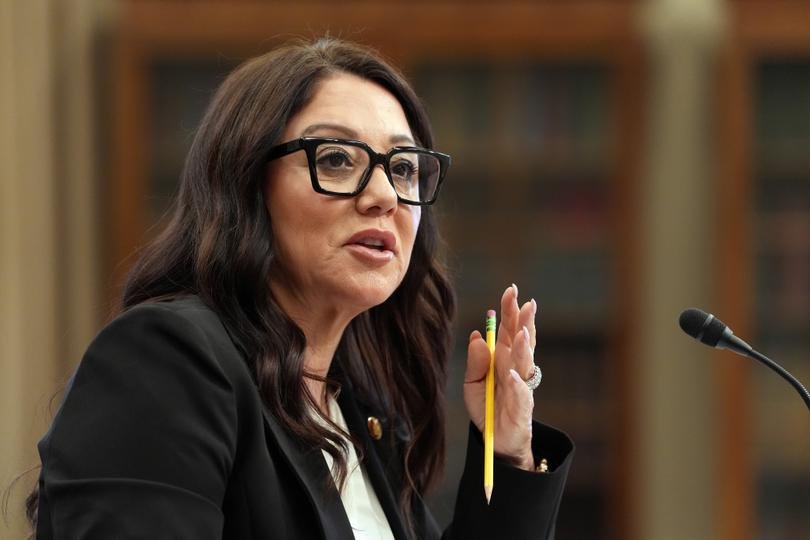
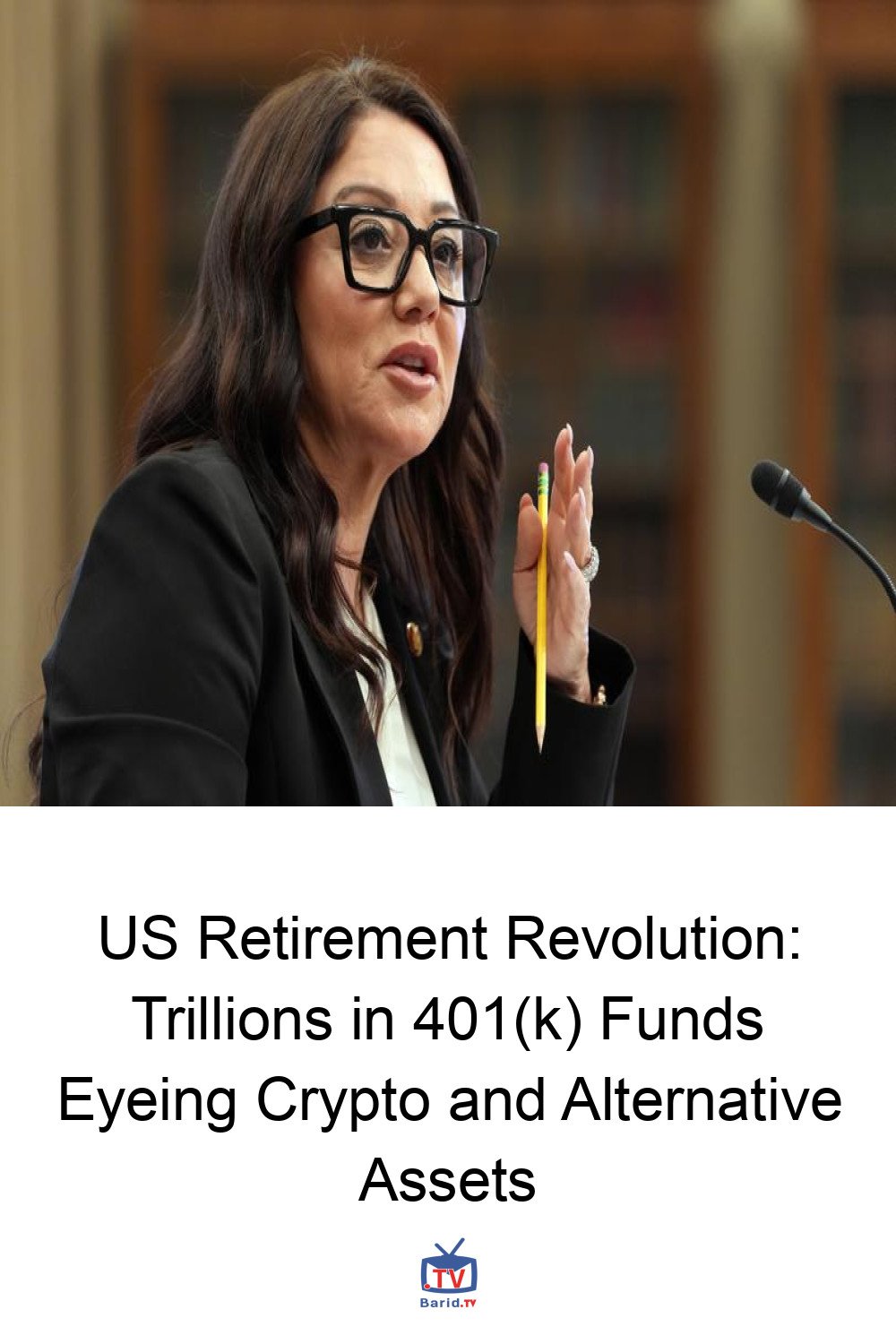
For decades, the bedrock of 401(k) plans has been a relatively conservative mix of stocks and bonds. However, the proposed rule, unveiled on Monday, March 30, 2026, signals a departure from this traditional approach. Spearheaded by Labor Secretary Lori Chavez-DeRemer, the initiative seeks to empower plan providers to incorporate a more diverse array of assets, including digital tokens and private-market funds not traded on public exchanges.
This move isn’t entirely without precedent. Last May, the Labor Department rescinded earlier guidance that had urged fiduciaries to exercise “extreme care” when considering crypto for retirement plans. President Trump’s executive order, issued in August, pushed this agenda further, explicitly calling for digital assets to be treated on par with other investment options. Secretary Chavez-DeRemer emphasized the rule’s intent, stating, “This proposed rule will show how plans can consider products that better reflect the investment landscape as it exists today.”
The Great Debate: Opportunity Versus Risk
Advocates Champion Diversification and Modernization
Supporters of the proposed rule argue that it brings 401(k)s into the 21st century, aligning retirement investment options with how many individuals already manage their personal finances. They contend that allowing access to alternative assets like cryptocurrencies and private equity could enhance portfolio diversification, potentially leading to improved returns and better long-term financial security for workers. The argument posits that limiting options artificially constrains growth potential and ignores evolving market realities.
Critics Warn of Volatility and Vulnerability
However, the proposal has drawn sharp criticism from several lawmakers and financial advisors who express serious reservations about exposing everyday Americans’ retirement savings to inherently volatile and less liquid assets. Senator Elizabeth Warren, a vocal opponent, minced no words in her statement: “As cracks emerge in the private credit market, private equity returns fall to 16-year lows, and crypto keeps tumbling, President Trump has decided now is the time to stick all of these risky assets into Americans’ 401(k)s.” She warned that the rule could expose workers to significant losses and exorbitant fees, primarily benefiting large financial firms rather than the retirees themselves.
Trillions at Stake: The Crypto Conundrum
The implications for the cryptocurrency market, in particular, are colossal. U.S. 401(k) plans collectively manage trillions of dollars in retirement savings. Even a fractional allocation to digital assets could unleash an unprecedented wave of capital into the crypto ecosystem. To illustrate, if a major retirement plan serving tens of thousands of employees were to allocate just 1% of its vast portfolio to Bitcoin or other digital tokens, it would translate into millions of dollars flowing directly into the crypto market. This potential influx could significantly impact market valuations and mainstream adoption.
As the proposed rule moves through the regulatory process, the debate is set to intensify. The decision will not only redefine the future of retirement investing but also test the delicate balance between fostering innovation and safeguarding the financial futures of millions of Americans.
For more details, visit our website.
Source: Link








Leave a comment