



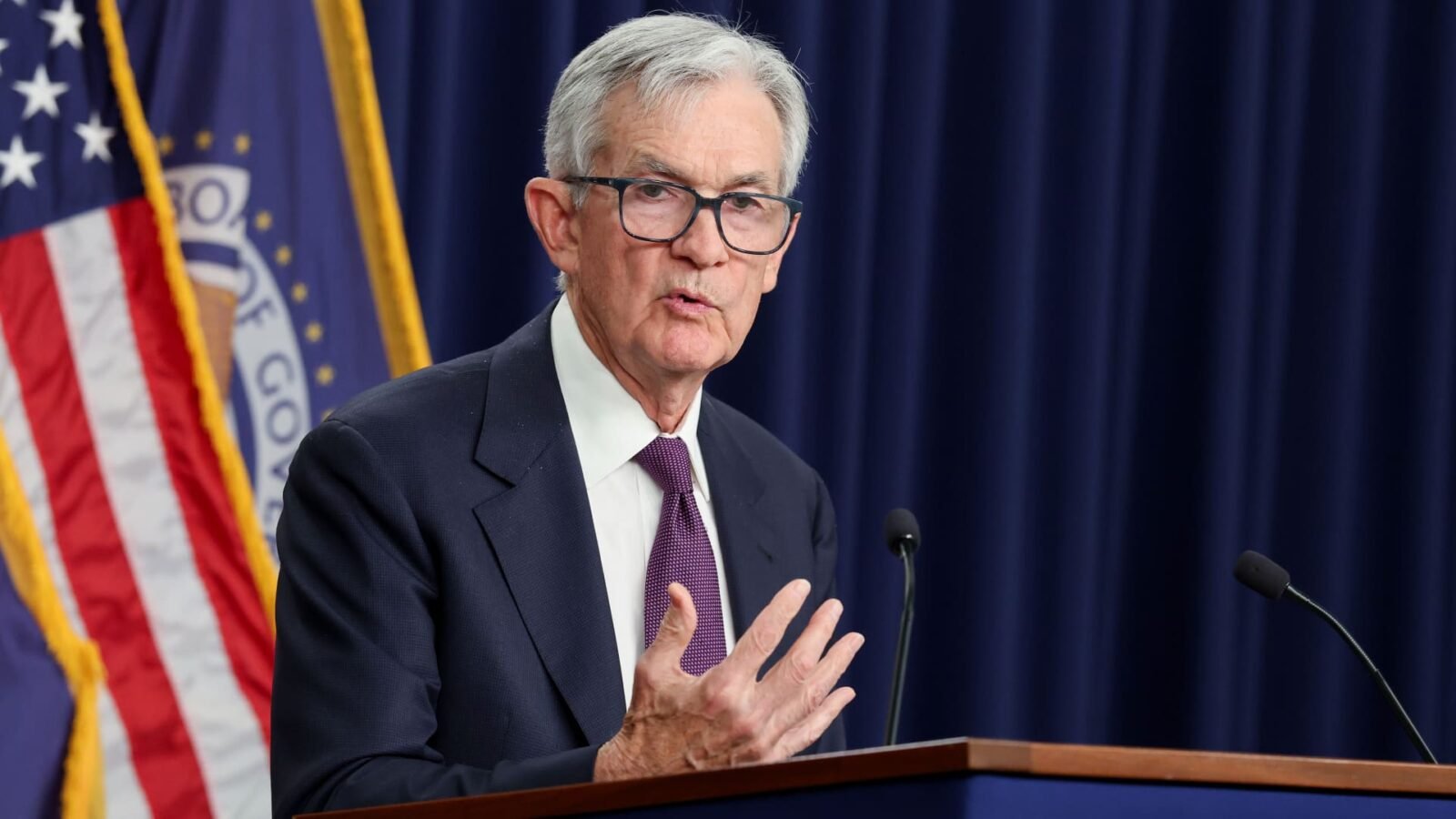

In a pivotal address at Harvard University, Federal Reserve Chair Jerome Powell offered a reassuring outlook on the U.S. economy, asserting that inflation expectations remain firmly grounded despite recent surges in energy prices. His comments, delivered amidst a dynamic economic landscape, suggest a central bank committed to its dual mandate of stable prices and maximum employment, without succumbing to short-term market volatility.
Navigating Inflationary Headwinds: Powell’s Steady Hand
Powell’s remarks underscored a strategic patience from the Fed, indicating that the current rise in energy costs, particularly influenced by global events like the Iran war, would not trigger an immediate interest rate hike. This stance reflects a nuanced understanding of monetary policy’s lagged impact.
Beyond the Oil Shock: A Measured Approach
“By the time the effects of a tightening in monetary policy take effect, the oil price shock is probably long gone, and you’re weighing on the economy at a time when it’s not appropriate,” Powell explained. This philosophy emphasizes looking beyond transient supply shocks, allowing the economy to absorb and adjust without undue intervention that could stifle growth once the temporary pressures dissipate.
The financial markets swiftly absorbed Powell’s perspective. Traders, who just days prior had priced in a significant chance of a rate hike, adjusted their expectations dramatically. The probability of a December rate increase plummeted from over 50% to a mere 2.2% following his address, signaling market alignment with the Fed’s cautious approach.
Anchored Expectations and the Current Rate Stance
Powell reiterated his belief that the Fed’s current rate target, set between 3.5% and 3.75%, remains “a good place” for the central bank to observe unfolding economic events. This includes monitoring the broader context of geopolitical tensions and the impact of tariffs on prices.
“Inflation expectations do appear to be well anchored beyond the short term, but nonetheless, it’s something we will eventually maybe face the question of what to do here,” he noted, acknowledging future vigilance while emphasizing that immediate action is not warranted. Market-based indicators, such as the five-year breakeven rate in Treasury yields, currently around 2.56% and trending lower, further support the view that fears of an inflation spike are contained.
Private Credit Under Scrutiny, Systemic Risk Dismissed
Beyond inflation, Powell addressed growing concerns within the burgeoning $3 trillion private credit sector. While acknowledging rising defaults and investor withdrawals, he was quick to differentiate these issues from systemic threats to the broader financial system.
“We’re looking for connections to the banking system and things that might result in contagion. We don’t see those right now,” Powell stated. He characterized the current turbulence as a “correction,” implying that while some investors might incur losses, the sector’s challenges do not pose a significant risk of contagion to the banking system or the wider economy.
The Road Ahead: Succession and Unanswered Questions
As Powell’s term draws to a close in mid-May, the question of his successor looms. President Donald Trump’s nomination of former Governor Kevin Warsh for the role faces hurdles in the Senate Banking Committee, entangled in an investigation led by U.S. Attorney Jeanine Pirro. When pressed on Warsh’s stated preference for lower interest rates, Powell diplomatically declined to comment, stating, “I’m not going to swing at that pitch.” This highlights the delicate transition period for the nation’s top economic post.
In conclusion, Jerome Powell’s recent commentary paints a picture of a Federal Reserve that is watchful yet composed, prepared to navigate economic complexities with a long-term perspective. His assurance on inflation expectations and the contained nature of private credit concerns aim to instill confidence in a global economy grappling with multiple uncertainties.
For more details, visit our website.
Source: Link








Leave a comment