





The Berberine Phenomenon: Separating Hype from Science
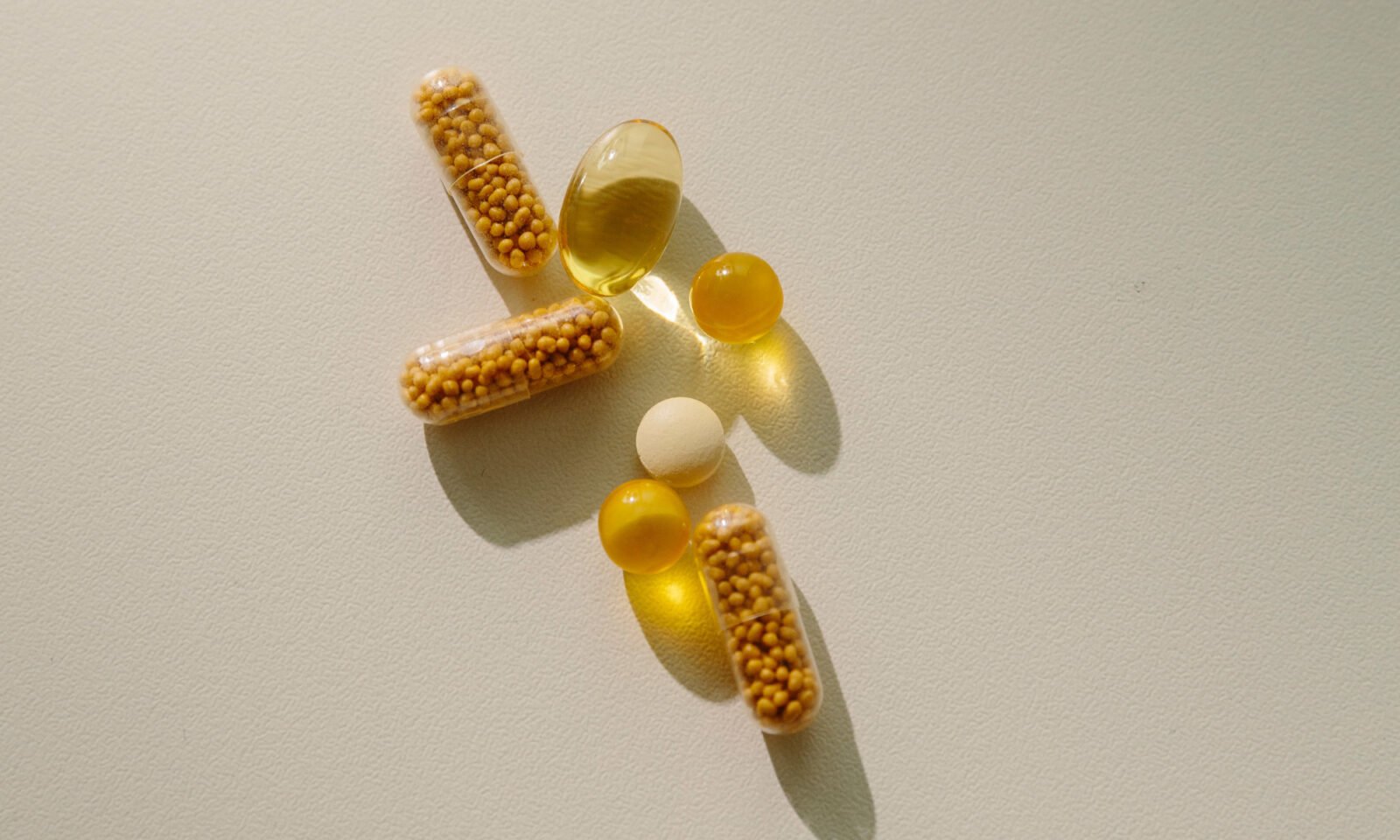
Berberine has dominated wellness conversations for some time, often lauded as ‘natural Ozempic’—a plant-derived solution promising significant improvements in blood sugar regulation, weight management, and overall metabolic health. The allure of drug-level results without a prescription is undeniably strong, yet such bold claims often warrant a deeper, more critical look.
Metabolism is a complex symphony of biological processes, rarely simplified by a single intervention. A recent scientific review, published in the International Journal of Molecular Sciences, cuts through the noise, offering a grounded exploration into berberine’s actual mechanisms within the body. The findings paint a more nuanced—and arguably more fascinating—picture than the prevailing headlines suggest.
A Deep Dive into the Research: Beyond Surface-Level Claims
Rather than focusing on a singular experiment, researchers undertook an expansive analysis of over 126 studies. This comprehensive body of evidence spanned molecular investigations, animal models, microbiome research, and clinical data, aiming to understand berberine’s impact across diverse biological systems. A particular emphasis was placed on its intricate relationship with gut inflammation, the integrity of the intestinal barrier, and microbial composition.
Crucially, this review moved beyond a simplistic view of metabolism, redirecting attention to the gut. This shift is pivotal, as metabolic health isn’t solely dictated by caloric intake or insulin levels; it’s profoundly shaped by your internal gut environment. The delicate balance of gut bacteria, inflammatory signals, and the strength of your intestinal barrier all play critical roles in how your body processes energy, regulates blood sugar, and manages systemic inflammation.
Thus, the more pertinent question isn’t merely, ‘Does berberine lower blood sugar?’ but rather, ‘How does berberine influence the underlying gut environment that ultimately governs blood sugar regulation?’
Why Berberine Isn’t ‘Nature’s Ozempic’
The internet’s narrative often conflates berberine with GLP-1 agonists like Ozempic, but their mechanisms are fundamentally distinct. GLP-1 drugs operate with remarkable precision, directly targeting hormone receptors responsible for appetite control, insulin secretion, and blood sugar regulation. Their effects are specific, measurable, and generally consistent across individuals.
Berberine, conversely, does not mimic this direct hormonal action. Its influence is primarily indirect, mediated through the gut. Research indicates that berberine actively reshapes the gut microbiome, dampens inflammation, fortifies the intestinal lining, and modulates the production of short-chain fatty acids (SCFAs). These SCFAs are vital metabolites that significantly contribute to energy regulation and immune function. Over time, these profound gut-level changes can indeed ripple outwards, positively impacting overall metabolic health. However, this indirect, systemic influence stands in stark contrast to the targeted, hormone-receptor-level action of prescription medications.
The Inconsistency Factor: Your Unique Microbiome
If you’ve ever experienced a supplement that worked wonders for a friend but yielded no results for you, berberine’s variable efficacy will resonate. The effectiveness of berberine is heavily contingent upon an individual’s gut microbiome—a biological landscape as unique as a fingerprint.
This inherent variability means that identical doses of the same supplement can produce vastly different outcomes in different people. This isn’t a matter of incorrect usage, but rather a reflection of the distinct biological environment through which berberine exerts its effects. Factors such as diet, stress levels, sleep quality, and even recent antibiotic use all contribute to shaping your microbial ecosystem. Since berberine operates within this highly individualized system, its results are, by nature, inconsistent.
Cultivating True Metabolic Health: A Holistic Blueprint
The insights gleaned from berberine research extend beyond the supplement itself, offering a powerful reminder of how metabolism truly functions day-to-day. A significant portion of metabolic health is rooted in your gut environment, which is continuously shaped by your daily habits. This explains why relying on a single supplement rarely delivers the transformative results many hope for.
The most reliable and sustainable path to robust metabolic support lies in consistent, foundational lifestyle practices that positively influence your internal environment over time:
Nourish Your Microbiome
Adopt an eating pattern rich in fiber, fermented foods, and whole-food sources of resistant starch (like legumes and cooked-and-cooled rice) to cultivate a thriving gut microbiome.
Optimize Blood Sugar Stability
Construct meals that balance blood sugar by pairing carbohydrates with adequate protein, healthy fats, and fiber. This simple strategy makes a profound difference.
Embrace Consistent Movement
Regular physical activity, particularly short walks after meals, can significantly help to blunt post-meal glucose spikes.
Prioritize Restorative Sleep
Even a single night of poor sleep can measurably impair insulin sensitivity—a deficit no ‘hack’ or supplement can truly rectify.
Master Stress Management
Chronic stress directly disrupts both gut bacteria and blood sugar regulation through various physiological mechanisms. Implementing effective stress-reduction techniques is paramount.
For more details, visit our website.
Source: Link








Leave a comment