




As the celestial ballet continues, our nearest cosmic neighbor, the Moon, offers a captivating spectacle for sky-gazing enthusiasts. Whether you’re an avid astronomer or simply enjoy looking up, understanding the Moon’s current phase enhances the experience.
Tonight’s Lunar Spectacle: A Waxing Gibbous Moon
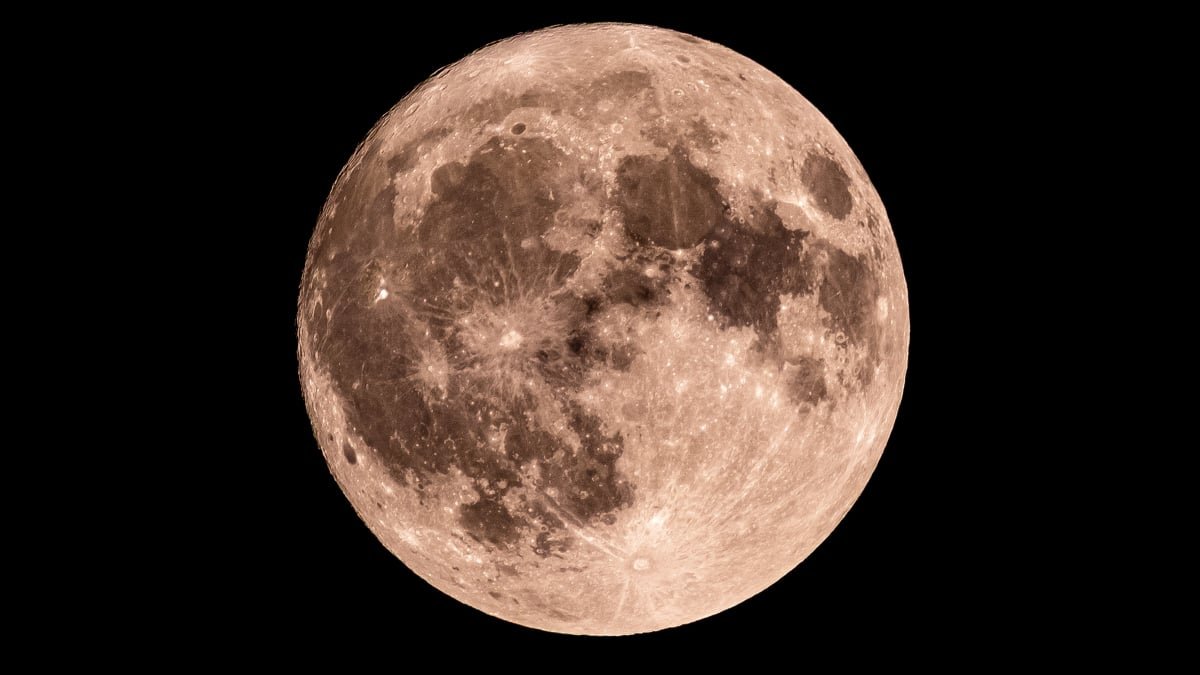
On this evening of March 29, the Moon proudly displays its Waxing Gibbous phase. According to NASA’s Daily Moon Guide, a remarkable 85% of its surface will be illuminated, promising a bright and detailed view. This phase, just a few nights shy of a magnificent Full Moon, presents an excellent opportunity to explore its varied terrain.
What to Spot in the Night Sky
Even without specialized equipment, the Moon reveals some of its most prominent features. Look closely, and you can discern the vast, dark plains known as Serenitatis (Sea of Serenity), Imbrium (Sea of Rains), and Vaporum Mares (Sea of Vapors). These ancient lava flows tell tales of the Moon’s tumultuous past.
For those with a pair of binoculars, the lunar landscape opens up further. You’ll be able to identify the sprawling Mare Frigoris (Sea of Cold), the distinct Archimedes Crater, and the impressive Clavius Crater, one of the largest and oldest impact craters on the Moon’s near side.
And if you’re fortunate enough to possess a telescope, prepare for an even more intimate journey. Glimpse the rugged peaks of the Caucasus Mountains, pinpoint the historic Apollo 12 landing spot, and observe the intriguing Linne Crater, a small but prominent feature within Mare Serenitatis.
Anticipating the Next Full Moon
Mark your calendars! For observers in North America, the next Full Moon is eagerly anticipated to grace our skies on April 1. This celestial event promises a fully illuminated lunar disk, a breathtaking sight for all.
Understanding the Moon’s Ever-Changing Faces: The Lunar Phases
The Moon’s appearance is a constant source of wonder, seemingly shifting from a slender crescent to a radiant orb and back again. But what drives these transformations? NASA explains that the Moon embarks on a roughly 29.5-day orbit around Earth, cycling through eight distinct phases. While the same side of the Moon perpetually faces us, the sunlight illuminates varying portions as it travels, creating the illusion of a changing shape. These predictable appearances are collectively known as the lunar phases.
The Eight Phases of the Moon: A Cosmic Cycle
- New Moon: Positioned between Earth and the sun, the side of the Moon facing us is entirely dark, rendering it invisible to the naked eye.
- Waxing Crescent: A delicate sliver of light emerges on the right side of the Moon (for observers in the Northern Hemisphere), gradually growing larger each night.
- First Quarter: Exactly half of the Moon’s face is illuminated on the right side, appearing as a perfect half-Moon.
- Waxing Gibbous: More than half of the Moon is now lit, expanding towards fullness but not yet completely round. This is the phase we are currently experiencing.
- Full Moon: The entire face of the Moon is bathed in sunlight, presenting a fully illuminated and spectacular disk.
- Waning Gibbous: Following the Full Moon, the illumination begins to recede from the right side (Northern Hemisphere), though still more than half is lit.
- Third Quarter (or Last Quarter): Another half-Moon appears, but this time, the left side is illuminated as the light continues to diminish.
- Waning Crescent: A thin, luminous sliver remains on the left side before the Moon once again retreats into darkness, completing its cycle and returning to the New Moon phase.
Each phase offers a unique perspective on our celestial companion, inviting us to connect with the rhythms of the cosmos.
For more details, visit our website.
Source: Link






Leave a comment