



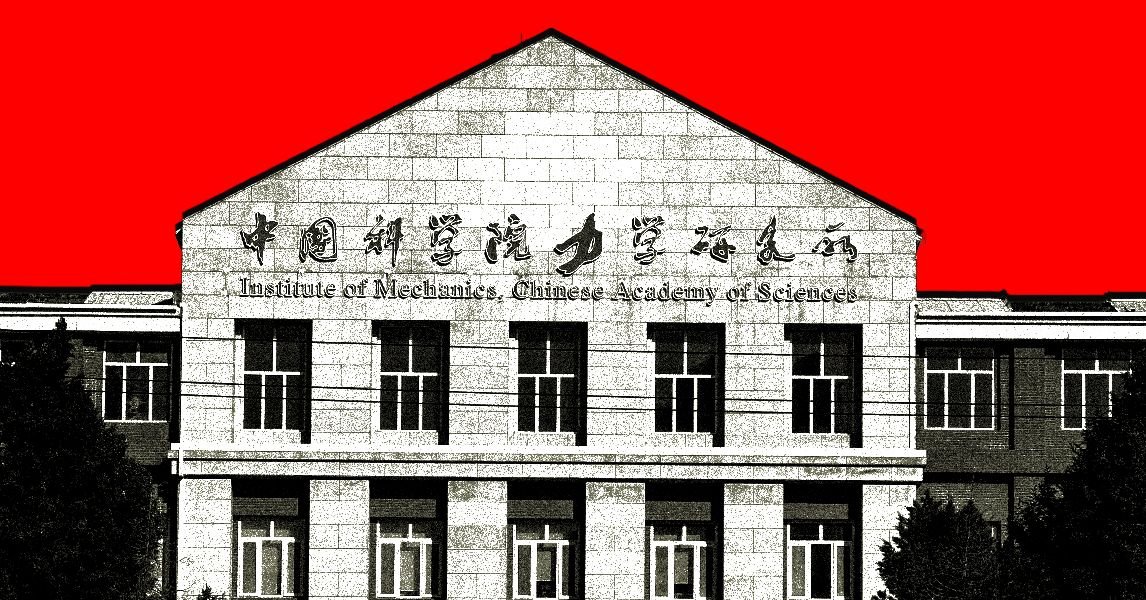

The hallowed halls of scientific discourse are increasingly echoing with the tremors of geopolitical tension. This week, the prestigious Conference on Neural Information Processing Systems, universally known as NeurIPS, found itself at the epicentre of a burgeoning conflict between global scientific collaboration and the intricate web of international politics. A swiftly announced, then dramatically reversed, set of restrictions on international participants, particularly targeting Chinese AI researchers, ignited a firestorm, threatening to fundamentally reshape the landscape of artificial intelligence research.
A Storm on the Horizon: Initial Sanctions and Immediate Fallout
In its annual handbook for paper submissions, released in mid-March, NeurIPS organizers unveiled new participation guidelines. These rules stipulated that the conference could not extend services like “peer review, editing, and publishing” to entities subject to US sanctions, linking to a comprehensive database of sanctioned organizations. This list notably included major Chinese tech giants such as Tencent and Huawei, whose researchers are regular and significant contributors to NeurIPS. The database also encompassed entities from other nations like Russia and Iran, despite existing US regulations primarily limiting business dealings rather than academic publishing or conference attendance.
This move, according to Paul Triolo, a partner at DGA-Albright Stonebridge specializing in US-China relations, marked a “potential watershed moment.” While Triolo emphasizes the mutual benefit of Chinese researchers’ participation for US interests, a growing sentiment among some American officials advocates for a decoupling of US and Chinese scientific efforts, especially within the highly sensitive domain of AI.
The Swift Reversal and a ‘Miscommunication’
The backlash was immediate and fierce. Faced with widespread condemnation and threats of boycott from the global AI community, particularly from China, NeurIPS organizers quickly backpedaled. The updated handbook now clarifies that restrictions apply exclusively to “Specially Designated Nationals and Blocked Persons”—a list predominantly reserved for terrorist groups and criminal organizations, a far narrower scope than initially implied.
In a statement issued Friday, the organizers attributed the error to “miscommunication between the NeurIPS Foundation and our legal team,” admitting they had linked to a US government sanctions tool that covered a “significantly broader set of restrictions than those NeurIPS is actually required to follow.” This explanation, however, did little to fully quell the concerns raised by the initial policy.
China’s Resolute Response and the Future of Collaboration
The initial restrictions sparked outrage among AI researchers worldwide, with China—a powerhouse of cutting-edge machine learning and home to a rapidly expanding pool of top AI talent—leading the charge. Numerous academic groups issued strong condemnations, actively discouraging Chinese academics from attending future NeurIPS events and advocating for increased participation in domestic research conferences, thereby bolstering China’s influence in science and technology.
The China Association of Science and Technology (CAST), a powerful government-affiliated body, announced it would cease funding Chinese scholars for NeurIPS travel, redirecting resources to conferences that “respect the rights of Chinese scholars.” Furthermore, CAST declared that publications at the 2026 NeurIPS conference would no longer count as academic achievements for future research funding evaluations. While it remains uncertain if CAST will reverse its stance following NeurIPS’s retraction, the message was clear: China is prepared to pivot towards alternative platforms if its scholars face perceived discrimination.
The policy also led to tangible consequences, with at least six scholars publicly declining invitations to serve as area chairs for NeurIPS this year, and others opting out of paper reviewing roles. As Nan Jiang, a machine learning researcher at the University of Illinois Urbana-Champaign, expressed on social media after declining his area chair role, “At least the organizers owe the community an explanation why they are the only major ML venue adopting such a policy.”
Navigating the Fraught Landscape of Global AI
This incident underscores the increasingly complex political terrain that top researchers, long accustomed to seamless international collaboration, must now navigate. The lines between fundamental scientific inquiry and national security interests are blurring, making it “hard to keep basic AI research out of the [political] picture,” as Triolo notes.
The NeurIPS controversy serves as a stark reminder of the delicate balance required to foster scientific progress in an era of heightened geopolitical competition. While the immediate crisis has been averted, the underlying tensions persist, posing profound questions about the future of open science, academic freedom, and the global trajectory of artificial intelligence development. The incident could potentially dissuade Chinese scientists from pursuing opportunities at US institutions and tech companies, further fragmenting the global AI ecosystem. The path forward demands careful diplomacy and a renewed commitment to the principles of open scientific exchange, even as nations vie for technological supremacy.
For more details, visit our website.
Source: Link







Leave a comment