



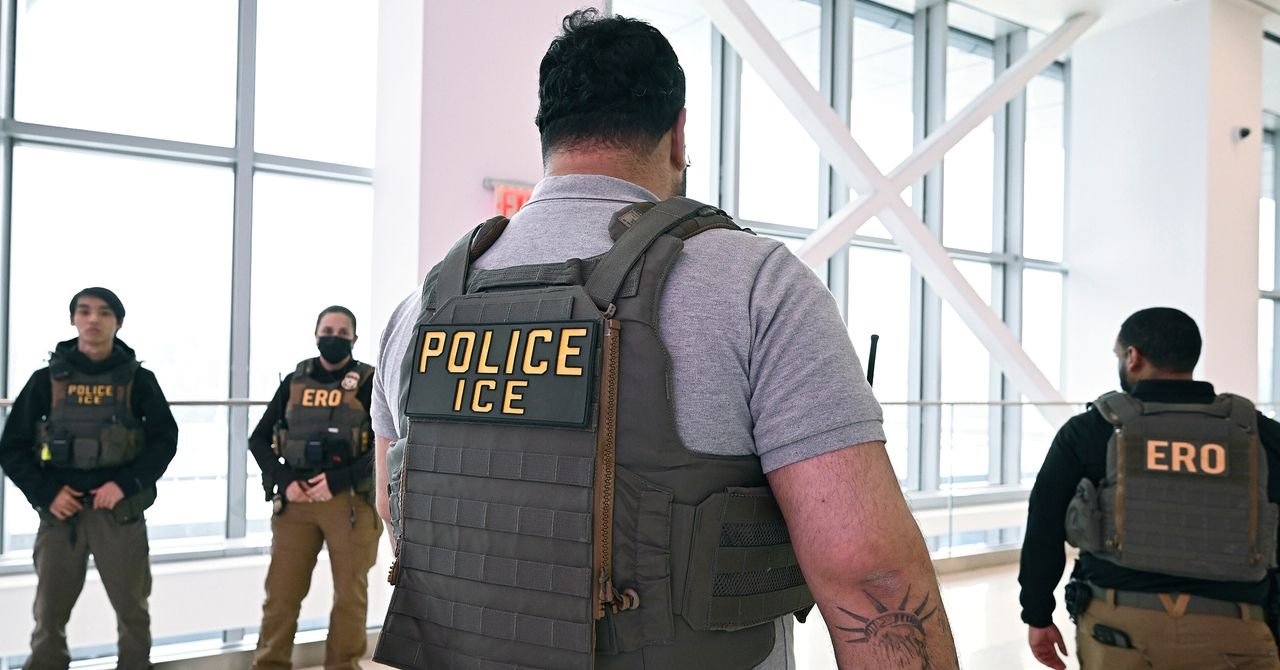

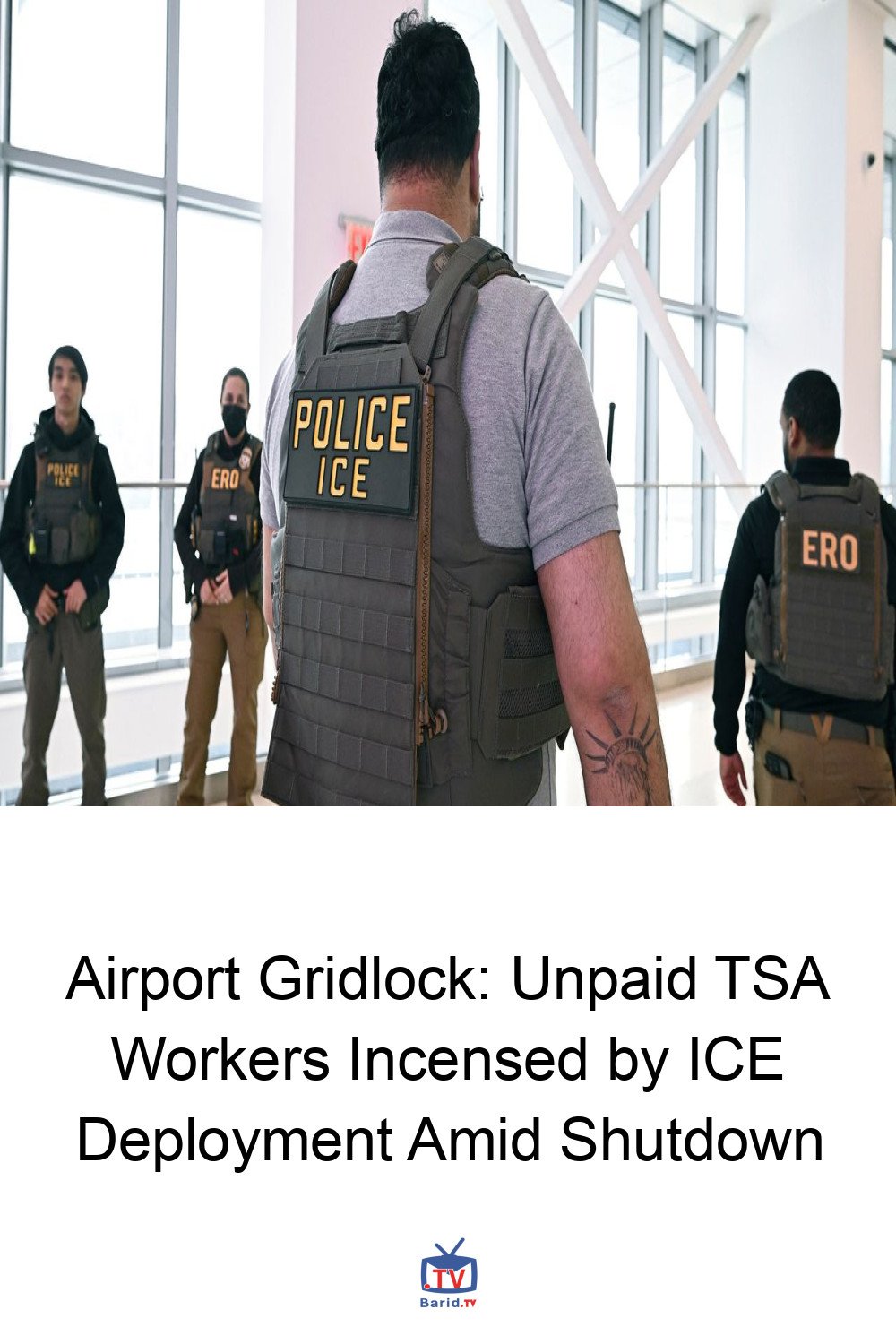
As a partial government shutdown continues to cripple federal agencies, America’s airports have become a focal point of frustration and operational disarray. Weeks into the impasse, Transportation Security Administration (TSA) agents, many working without pay, are increasingly calling in sick or resigning, leading to unprecedented security line delays across the nation. In response to the burgeoning travel chaos, the Trump administration deployed Immigration and Customs Enforcement (ICE) agents to at least 14 airports, a move that has only intensified tensions among the already strained airport workforce.
ICE Deployment: A Solution or a Sticking Point?
The deployment of ICE agents, ostensibly aimed at alleviating security bottlenecks, has been met with widespread skepticism and outright anger from existing airport personnel. Transportation Security Officers (TSOs) interviewed by WIRED reveal a critical flaw in the strategy: ICE agents, they contend, lack the specialized certification and training required to effectively perform many of the tasks essential for expediting security lines. This perceived inadequacy has led to scenes of ICE agents patrolling, directing lost passengers, or even distributing water bottles, often appearing to contribute little to the core security function.
An overheard complaint at New York’s John F. Kennedy Airport encapsulated the sentiment: “ICE are here and they’re doing literally nothing to help.” While reports from the Atlanta Journal-Constitution suggested some ICE agents were being trained to check IDs and boarding passes—a “nonspecialized screen function” according to TSA acting head Ha Nguyen McNeill—TSOs argue this minimal training falls far short of what’s needed to truly impact efficiency.
Unpaid Labor and Mounting Frustration
The presence of paid ICE agents alongside unpaid TSA officers has ignited a profound sense of injustice. Hydrick Thomas, president of AFGE Local 2222, representing New York and New Jersey airports, highlighted the disparity: “If you want to bring a tactical force into an environment where it’s required to have customer service and a mindset where you know what you’re doing, how to identify something that might be suspicious—they don’t have that training.”
The financial strain on TSA workers is immense. Having endured a previous shutdown just months prior, many haven’t received a steady paycheck for half of the fiscal year. Concerns over rent, mortgages, gas, and childcare are rampant, with food banks setting up drives at airports nationwide. The impact is quantifiable: Tuesday saw an 11 percent callout rate among checkpoint employees, a stark rise from the pre-shutdown 4 percent. Some major hubs, including Houston, Atlanta, New Orleans, and JFK, reported daily callout rates exceeding 35 percent, and over 480 TSA screeners have resigned since the shutdown began in February.
Long-Term Fears and the American Dream
Beyond the immediate crisis, TSA officers harbor deeper anxieties about their future. There’s a palpable concern that the federal government might be laying groundwork to replace them with other federal agents, including ICE, or even privatize TSA operations entirely. Project 2025, a conservative blueprint advocating for TSA privatization, fuels these fears.
Carlos Rodriguez, an AFGE TSA Council 100 vice president, articulated the disillusionment: “A part of the American dream that I was sold was that working for the government was honorable and stable. But this is not honorable or stable at this moment.”
Political Promises and Lingering Questions
In a recent Truth Social post, President Donald Trump announced his intention to sign an executive order to pay TSA workers, though details on the “how” and “when” remain elusive. For many, this promise feels like too little, too late, and a misallocation of resources.
“To have them come in…while officers are not receiving a paycheck, I feel like it’s a waste,” stated Aaron Barker, president of AFGE Local 554, representing Georgia airports. He emphasized that ICE agents primarily perform crowd management and traffic direction, tasks typically handled by non-TSA airport staff. Hartsfield-Jackson Atlanta International Airport spokesperson Tim Roberts confirmed ICE’s role as “crowd management and support for our TSA partners.”
As the shutdown persists, the deployment of ICE agents at airports has become a potent symbol of the government’s struggle to manage the crisis, leaving dedicated TSA professionals feeling undervalued, underpaid, and deeply uncertain about their future.
For more details, visit our website.
Source: Link







Leave a comment