




A Landmark Verdict: Negligence and Unwarned Dangers
In a groundbreaking decision that could reshape the landscape of the digital world, a Los Angeles jury has found tech giants Meta and Google’s YouTube negligent in a pivotal social media addiction trial. The verdict, delivered on Wednesday, marks a significant moment for an industry increasingly scrutinized for its impact on user well-being, drawing parallels to the historic battles against the tobacco industry.
The personal injury trial, which commenced in late January at the Los Angeles Superior Court, centered on the compelling allegations of a young woman identified as K.G.M., or Kaley. She claimed that as a child, she developed a crippling addiction to platforms like Instagram and YouTube, leading to severe mental health issues including body dysmorphia, depression, and suicidal thoughts. Her legal team argued that Meta and YouTube’s design features, such as recommendation algorithms and auto-play functions, were substantial factors in causing these harms.
After six weeks of testimony and deliberations that began on May 13, the jurors sided with the plaintiff, ruling that both companies failed to adequately warn users of the inherent dangers associated with their platforms. The court will now proceed to determine the financial damages to be awarded to K.G.M.
The “Big Tobacco” Moment for Tech
This verdict is being widely characterized by experts as the social media industry’s “Big Tobacco” moment. The comparison harks back to the 1990s, when tobacco companies faced billions in penalties for misleading the public about the safety and risks of their products. This Los Angeles trial is merely the first of several high-profile cases slated for this year, each poised to challenge the operational practices and accountability of major tech corporations.
New Mexico Precedent: Another Blow to Meta
Adding to the mounting legal pressure, a separate jury in Santa Fe, New Mexico, recently found Meta liable for willfully violating the state’s unfair practices act. Attorney General Raúl Torrez successfully argued that Meta failed to safeguard its apps from online predators targeting children. The company was ordered to pay $375 million in damages, a decision Meta has vowed to appeal. While distinct from the addiction lawsuits, the New Mexico ruling underscores a broader legal trend of holding tech companies accountable for platform safety.
The Defense’s Stance and Future Battles
Throughout the L.A. trial, Meta and YouTube vehemently denied the plaintiff’s claims, asserting their commitment to user safety and health through various implemented features designed to mitigate potential harms. Their legal teams contended that K.G.M.’s mental health struggles originated from a turbulent childhood and family issues, suggesting she used the platforms as a coping mechanism for trauma.
The K.G.M. case serves as a crucial “bellwether” trial, intended to guide verdicts in similar coordinated litigation across California. Notably, TikTok and Snap, initially part of this specific lawsuit, settled with the plaintiff prior to the trial, though they remain embroiled in other legal proceedings.
Looking ahead, a federal trial is scheduled for this summer in Northern California. This consolidated case will bring together claims from school districts and parents nationwide, all alleging that apps from Meta, YouTube, TikTok, and Snap have contributed to detrimental mental health harms among young users.
Navigating Section 230: Design Flaws vs. Content
A key legal strategy employed by prosecutors and plaintiff attorneys involves focusing on alleged design flaws within apps like Instagram and YouTube, rather than specific content. This approach aims to bypass arguments from tech companies that they should not be held liable for third-party content on their platforms, citing Section 230 of the Communications Decency Act, which generally protects online platforms from liability for user-generated content.
Executive Testimonies and Industry Response
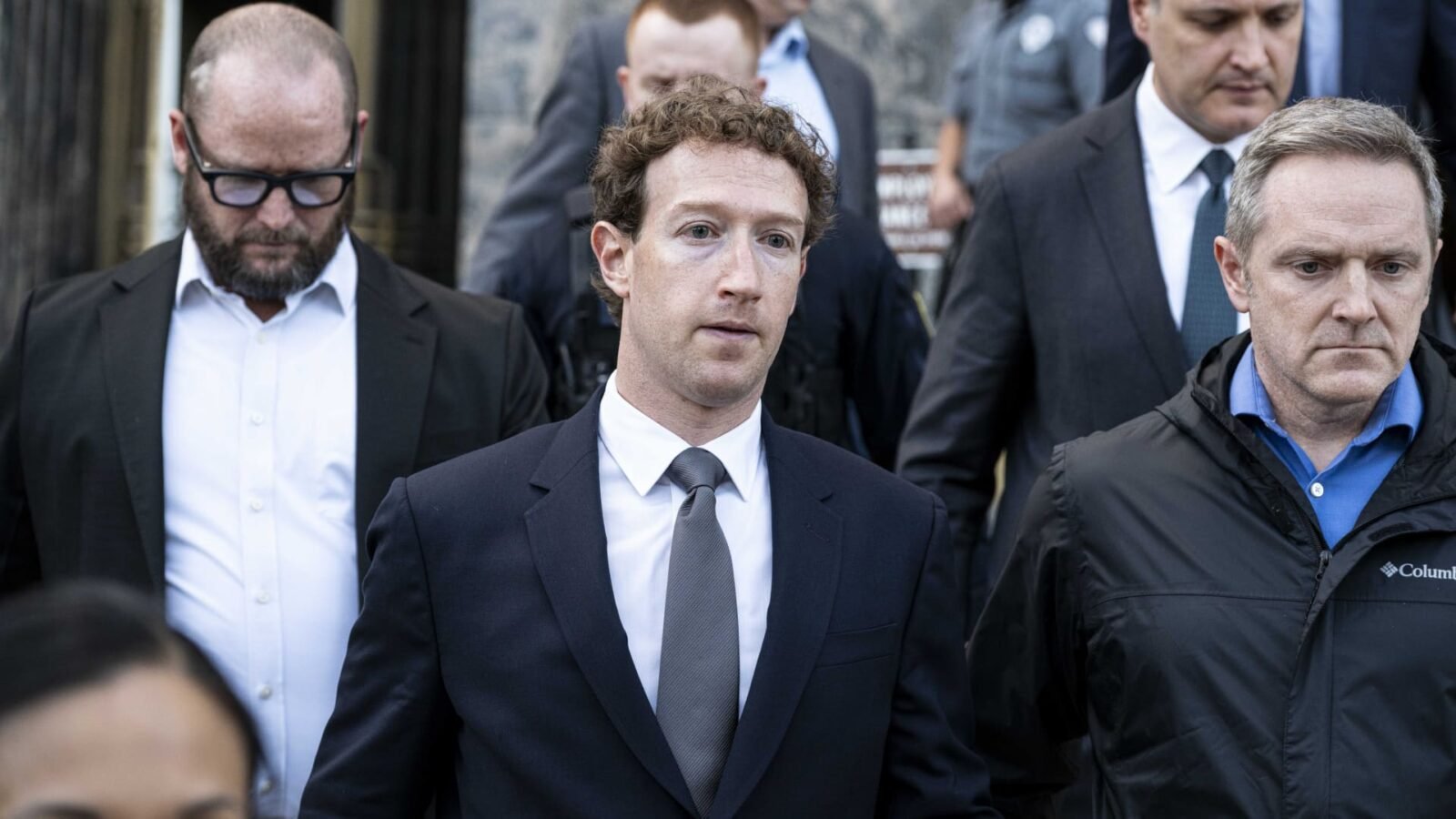
The L.A. trial featured high-profile testimonies from executives, including Meta CEO Mark Zuckerberg, Instagram head Adam Mosseri, and YouTube vice president of engineering Cristos Goodrow.
- Adam Mosseri previously characterized the notion of social media addiction as “problematic usage,” downplaying the severity.
- Mark Zuckerberg’s testimony revealed a past discussion with Apple CEO Tim Cook regarding teen and child well-being, and Meta’s internal processes concerning digital filters for cosmetic surgery.
- Cristos Goodrow’s testimony also contributed to the proceedings, though the provided text cuts off before detailing his full statement.
This verdict sends a clear message to the tech industry: the era of unchecked growth and minimal accountability for user well-being may be drawing to a close. As more trials loom, the pressure on social media companies to fundamentally rethink their design philosophies and prioritize mental health over engagement metrics will only intensify.
For more details, visit our website.
Source: Link






Leave a comment