



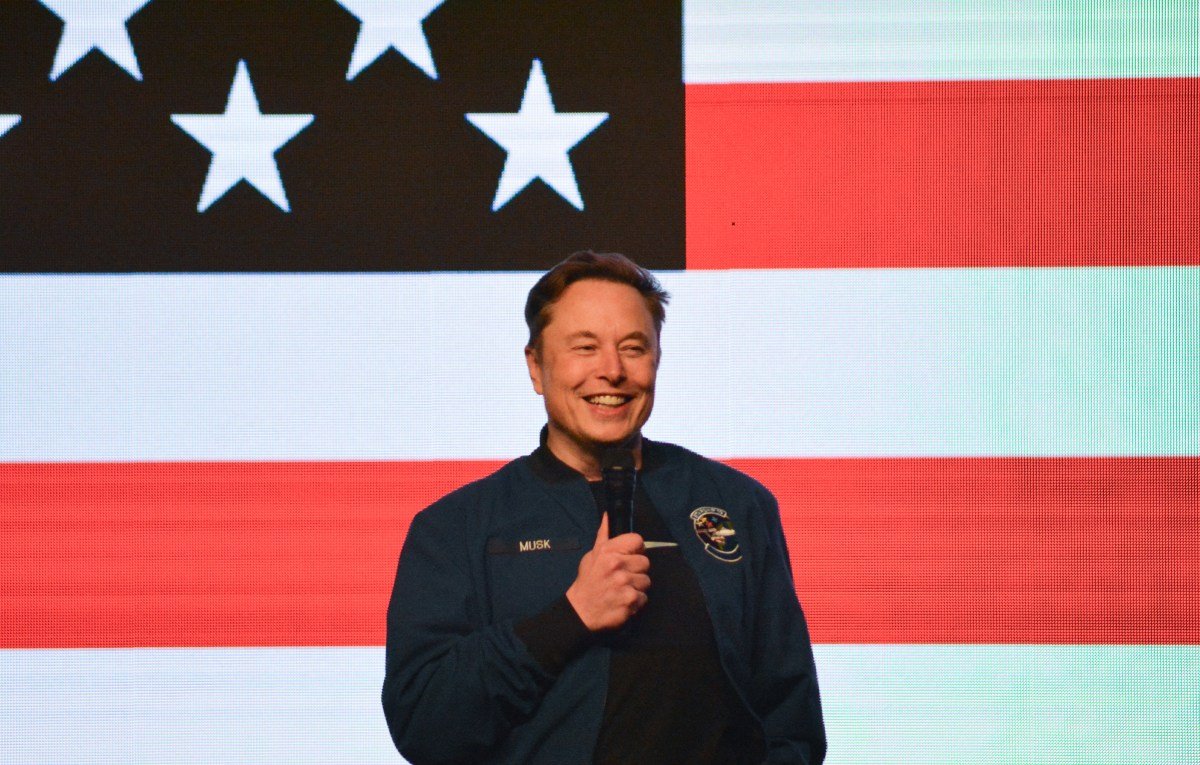

Elon Musk, the visionary behind Tesla and SpaceX, has once again captured headlines with an audacious new venture: an in-house chip manufacturing facility dubbed “Terafab.” Unveiled at a recent event in Austin, Texas, this ambitious project aims to secure a vital supply of semiconductors, critical for the escalating demands of his companies’ artificial intelligence and robotics initiatives.
The Genesis of Terafab: A Quest for Autonomy
Musk’s rationale for diving into the highly specialized and capital-intensive world of chip fabrication is straightforward: a perceived bottleneck in the existing supply chain. He articulated his frustration, stating, “We either build the Terafab or we don’t have the chips, and we need the chips, so we build the Terafab.” This declaration underscores a strategic pivot towards vertical integration, a hallmark of Musk’s business philosophy, as he seeks to mitigate reliance on external manufacturers who he believes cannot keep pace with the rapid innovation cycles of his enterprises.
Powering the Future, On Earth and Beyond
The scale of Musk’s ambition for Terafab is nothing short of astronomical. The facility is envisioned to produce chips capable of supporting an astounding 100 to 200 gigawatts of computing power annually for terrestrial applications, primarily for Tesla’s advanced AI systems and burgeoning robotics division. But the vision extends far beyond Earth’s atmosphere; Musk also outlined plans for a staggering one terawatt of computing power to be manufactured for his space-faring endeavors, presumably for SpaceX’s Starlink constellation and future interplanetary missions.
Location and Looming Questions
While specific details remain scarce, a photograph shared at the Austin event suggests the Terafab facility will be strategically located near Tesla’s existing Austin headquarters and its colossal “gigafactory.” This co-location could streamline logistics and foster synergy between manufacturing and R&D efforts.
However, the announcement has also been met with a degree of skepticism, a common reaction to Musk’s grand pronouncements. As Bloomberg rightly points out, Musk’s background does not lie in semiconductor manufacturing, a field known for its immense complexity, precision engineering, and multi-billion-dollar investments. Furthermore, his track record includes a history of setting aggressive, often elusive, timelines for his projects. While the vision is compelling, the path to realizing Terafab’s full potential will undoubtedly be fraught with significant engineering, financial, and logistical hurdles, with no clear timeline yet provided.
The “Terafab” represents another bold gamble from Elon Musk, a testament to his relentless pursuit of technological self-sufficiency. Whether this ambitious chip-making endeavor will revolutionize semiconductor production or become another entry in his list of aspirational targets remains to be seen, but it certainly signals a new frontier in the integrated development of AI, robotics, and space technology.
For more details, visit our website.
Source: Link







Leave a comment