



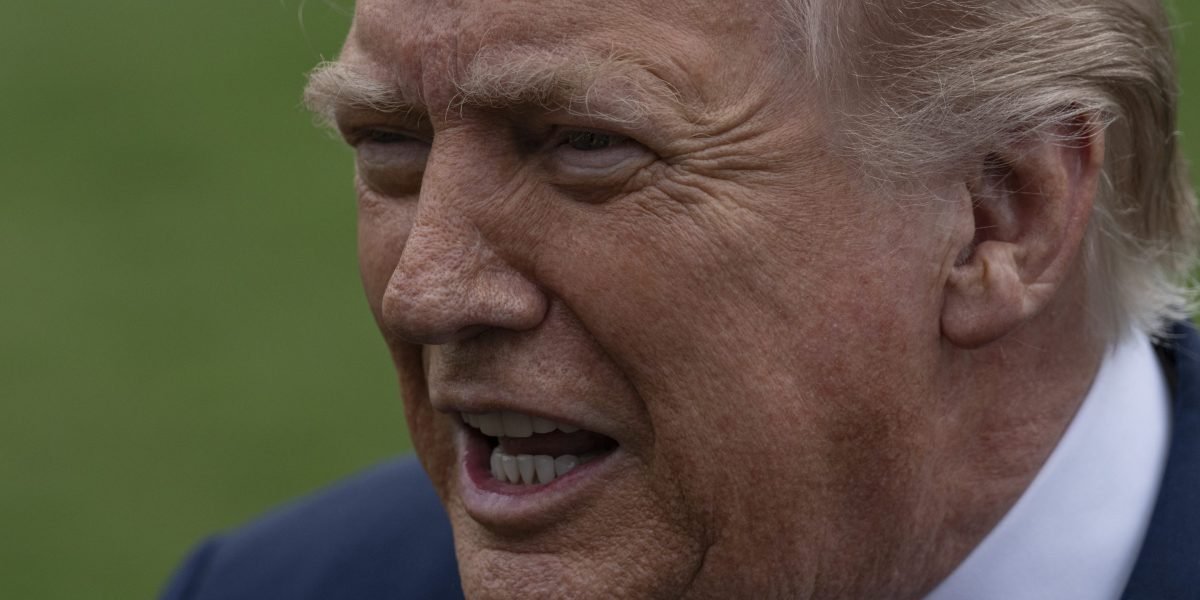

President Donald Trump has dramatically escalated tensions in the Middle East, issuing a stark 48-hour ultimatum to Iran. He threatened to target and “obliterate” the nation’s power plants, starting with its largest, should Tehran fail to reopen the critical Strait of Hormuz to commercial shipping traffic. This declaration, made via his Truth Social platform, marks a significant shift from earlier signals of de-escalation, plunging an already volatile region into deeper uncertainty and sending shockwaves through global energy markets.
A Fiery Ultimatum: Trump’s 48-Hour Deadline
The President’s aggressive rhetoric comes after the passage of crucial oil and gas cargoes through the Strait of Hormuz has been severely hampered, nearing a complete standstill. This vital maritime corridor, through which approximately 20% of the world’s oil and gas transits, is now at the heart of an international standoff. Trump’s threat to strike Iranian infrastructure represents a dramatic pivot, just a day after he hinted at “winding down” military operations and shifting the responsibility for policing Hormuz to nations reliant on its passage.
The immediate consequence of this escalating tension has been a sharp surge in global energy prices. International benchmark Brent crude futures closed at $112.19 on Friday, reflecting the market’s anxiety over a potential energy supply shock.
The Strait of Hormuz: A Geopolitical Chokepoint
The Strait of Hormuz is more than just a shipping lane; it’s a geopolitical flashpoint. Its closure or severe disruption has immediate and far-reaching implications for global energy security and economic stability. The current paralysis of commodity shipments underscores its strategic importance and the delicate balance of power in the region.
A Region on the Brink: Escalating Attacks and Retaliations
Trump’s ultimatum also arrives amidst a broader pattern of escalating regional hostilities. The past weeks have seen a dangerous tit-for-tat between Israel and Iran, with energy assets increasingly becoming targets. Israel recently struck the South Pars gas field, prompting Iran to retaliate with volleys against the world’s largest LNG facility in Qatar. Furthermore, Iran launched multiple strikes on southern Israel, injuring over 100 people, in response to an earlier attack on its own nuclear facility. The conflict, now in its fourth week, has also witnessed Iran launching ballistic missiles at the joint US-UK military base in Diego Garcia, nearly 2,500 miles away. While the base reportedly suffered no damage, the attack showcased a previously unknown Iranian capability, adding another layer of concern to the regional security landscape.
Economic Repercussions and Political Fallout
The surge in energy prices presents significant political risks for President Trump domestically, particularly with midterm elections just eight months away, where voter sentiment on the US economy and consumer costs will be paramount. Despite the US pumping record amounts of oil and gas and being less reliant on Middle Eastern resources than nations like China and Japan, the global supply shock emanating from Hormuz is translating into higher prices worldwide.
In an extraordinary move to mitigate the energy crisis, the US Treasury has permitted the sale of Iranian oil and petrochemical products that were already loaded onto tankers, temporarily easing existing sanctions.
Allies Divided, Tensions Unabated
Trump’s attempts to rally US allies to help reopen the Strait of Hormuz have largely been met with resistance, leading him to brand fellow NATO members as “cowards.” Despite previous promises of US naval escorts and a government-backed reinsurance program to facilitate safe passage, there are no indications that any commercial tankers have successfully transited with US Navy assistance.
The mixed signals from the US administration – from considering a military drawdown to issuing a direct ultimatum – have left international governments and markets scrambling to interpret the shifting landscape. While Trump posted about nearing objectives and winding down efforts, Israeli Defense Minister Israel Katz vowed to significantly intensify the joint campaign, highlighting the divergent strategies and heightened complexity of the conflict.
As the Middle East teeters on the brink, the coming hours will be critical in determining whether diplomacy can avert a wider conflict or if the region will descend further into a dangerous and unpredictable escalation.
For more details, visit our website.
Source: Link





Leave a comment