





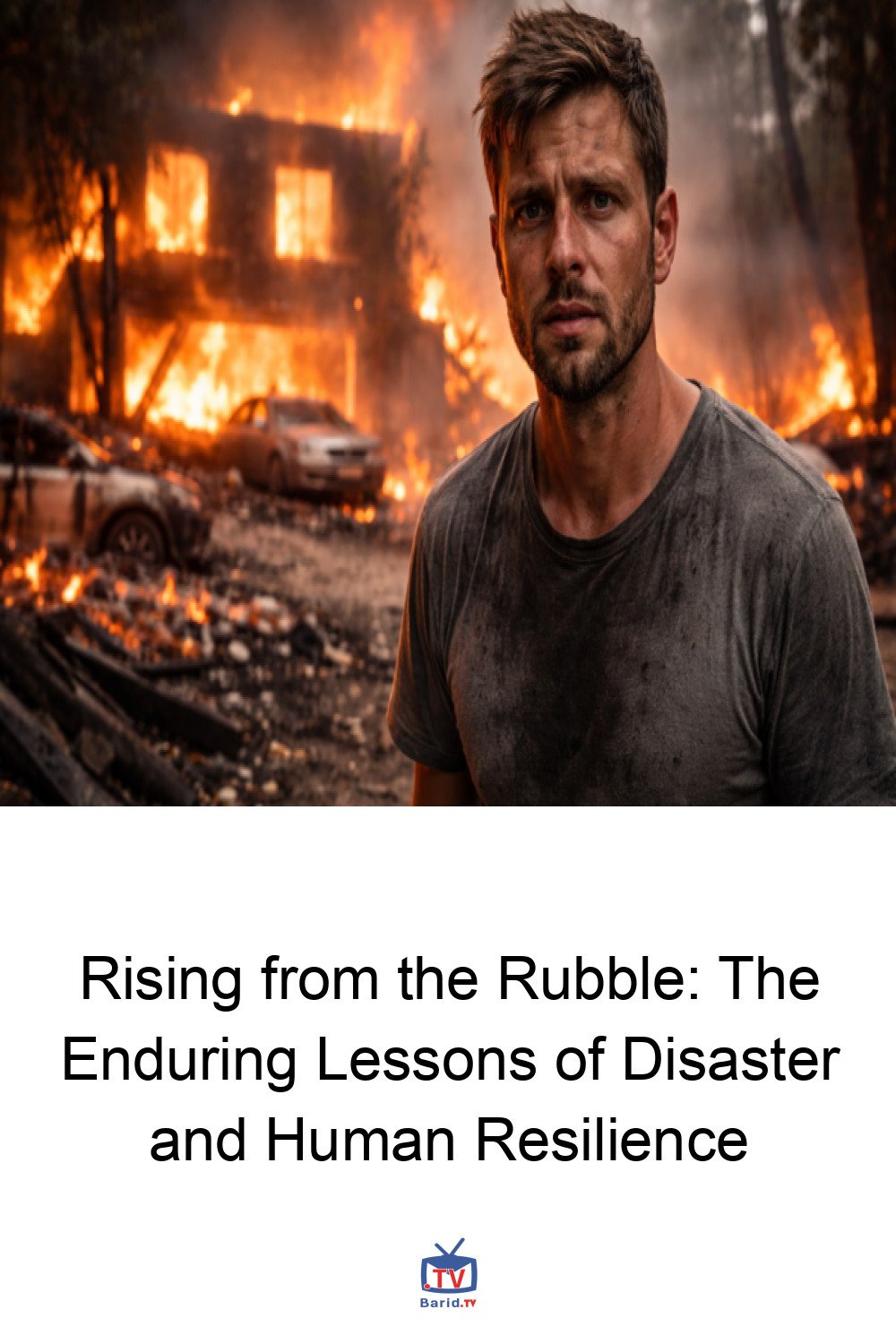
In an era defined by accelerating climate change and unpredictable global events, disasters are no longer distant headlines but increasingly frequent realities. From devastating floods that erase homes to seismic shifts that redefine cityscapes and wildfires that scorch familiar horizons, these cataclysms test more than just infrastructure; they profoundly challenge the human spirit. Yet, amidst the wreckage, a remarkable truth often emerges: the extraordinary capacity of individuals and communities to respond, adapt, and ultimately, rebuild.
The statistics paint a stark picture. The United Nations Office for Disaster Risk Reduction (UNDRR) reports a staggering 350 to 500 medium to large-scale disasters annually, a significant escalation from previous decades. These figures underscore not just a rising threat, but an urgent call for robust systems, swift humanitarian action, and an unwavering commitment to collective resilience. Beyond the numbers, disasters lay bare the intricate tapestry of human connection, revealing how support networks coalesce in the face of unimaginable loss. Resilience, it turns out, is not an inherent trait but a muscle developed through shared experience, mutual aid, and concerted effort. Here are five profound lessons disasters impart about our innate strength, enduring resilience, and the arduous yet hopeful journey of rebuilding life anew.
1. Strength Forged in the Crucible of Crisis
Disasters possess an uncanny ability to unearth reserves of strength we never knew we possessed. In the comfortable rhythm of daily life, most individuals operate within established routines and comfort zones. But when the familiar shatters, a profound shift occurs. People are compelled to make split-second decisions, shoulder immense responsibility, and step into roles they never anticipated. This isn’t born of prior preparation, but from the sheer exigency of the moment.
- A neighbor transforms into a lifeline, pulling others from danger.
- A stranger offers solace and practical aid, becoming an unexpected pillar of emotional support.
- A disparate group of individuals coalesces into a cohesive survival system, driven by a common purpose.
The lesson is stark yet empowering: true strength isn’t a state we wait to feel ready for; it manifests when all other options vanish. It’s not about the absence of fear, but the courage to press onward, even when fear is an omnipresent companion.
2. The Collective Foundation of Resilience: Support Systems
One of the most undeniable truths revealed by disaster is that no one truly rebuilds alone. While the initial moments of survival might be solitary, the journey of recovery is inherently collective. Beyond immediate material resources, individuals crave reassurance, structure, and the vital embrace of human connection to reclaim a semblance of normalcy. It is here that robust support systems become the bedrock of resilience.
Well-orchestrated disaster assistance programs are pivotal in guiding individuals from the raw struggle of survival to the painstaking process of recovery. These initiatives provide critical essentials: safe shelter, nourishing food, urgent medical care, and crucial psychological support. Such provisions allow survivors to stabilize, offering a vital pause before they can even contemplate the monumental task of rebuilding. Organizations like The American Red Cross frequently stand at the forefront of these endeavors, meticulously coordinating both immediate relief efforts and the complex, long-term recovery phases. The deeper wisdom lies in understanding that resilience isn’t merely about personal endurance; it’s a testament to how shared effort, timely intervention, and profound human solidarity make the impossible task of rebuilding life achievable, even after the most devastating events.
3. Recovery: A Marathon, Not a Sprint, Redefining Patience
Disasters shatter our fundamental assumption that once the immediate danger recedes, life will swiftly revert to its former state. The reality of recovery is far more complex: it is a protracted, often uneven, and inherently unpredictable journey. Communities navigate distinct phases:
- Immediate Survival: The urgent scramble for safety and basic needs.
- Short-Term Adjustment: Adapting to a new, often temporary, reality.
- Long-Term Rebuilding: The arduous process of physical and emotional reconstruction.
Yet, beyond these stages, disasters impart a more profound lesson: recovery isn’t merely a return to the ‘old life,’ but an opportunity to forge a new, often stronger, version of it. Homes are rebuilt, certainly, but so too are routines, identities, and a renewed sense of stability. This journey demands an extraordinary degree of patience. Progress can feel agonizingly slow, at times almost imperceptible, but every small, deliberate step forward contributes to a much larger, transformative process.
4. The Proactive Shield: Preparedness as a Lifesaver
While the occurrence of disasters cannot always be averted, their devastating impact can be significantly mitigated through proactive preparedness. Globally, advancements in early warning systems and comprehensive disaster planning have demonstrably reduced fatalities in numerous regions, even as the frequency of catastrophic events rises. Preparedness encompasses a multi-faceted approach:
- Emergency Planning: Developing clear, actionable strategies for response.
- Community Awareness: Educating residents on risks and safety protocols.
- Infrastructure Resilience: Building structures and systems capable of withstanding shocks.
- Training and Education: Equipping individuals with the skills to act effectively.
These concerted efforts highlight a crucial insight: true resilience is cultivated long before a disaster strikes. Communities that strategically invest in preparedness are inherently better equipped to respond with speed and efficacy, minimize damage, and accelerate their recovery trajectory. This paradigm shift moves us from a reactive stance to one of active risk management, empowering us to face future challenges with greater confidence and capability.
5. Rebuilding Beyond Bricks and Mortar: The Emotional Landscape
When contemplating post-disaster rebuilding, our focus often gravitates towards the tangible: homes, roads, and essential infrastructure. However, the emotional and psychological recovery is equally, if not more, critical. Disasters leave indelible psychological scars, manifesting as chronic stress, debilitating anxiety, and profound trauma. Recognizing this, modern disaster response increasingly integrates robust emotional and mental health support.
Humanitarian organizations, for instance, are now providing specialized psychological first aid, offering immediate comfort and practical support to help individuals navigate the overwhelming tides of loss, uncertainty, and disruption. This crucial intervention empowers survivors to process their experiences, regain a sense of emotional equilibrium, and begin the arduous, yet essential, journey toward healing and moving forward. Rebuilding is thus a holistic endeavor, mending not just the physical world but the inner landscape of the human spirit.
For more details, visit our website.
Source: Link





Leave a comment