



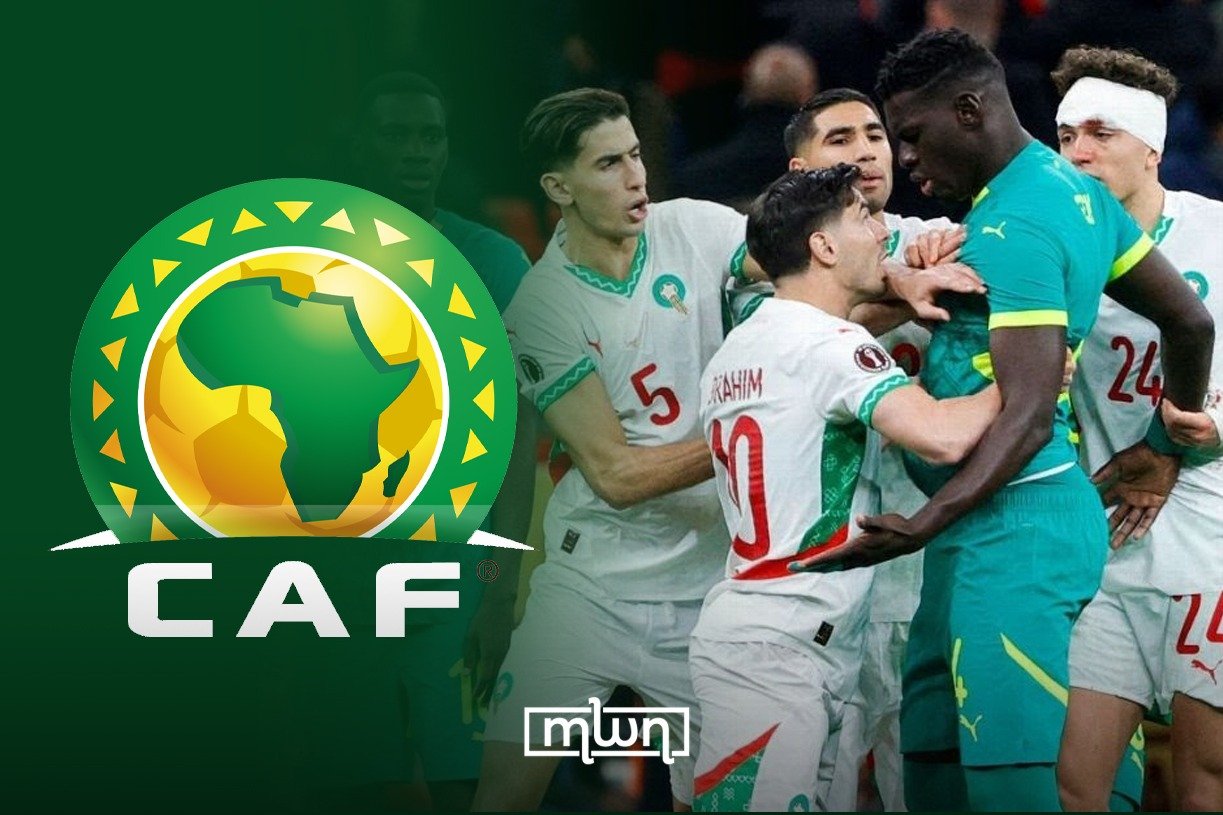

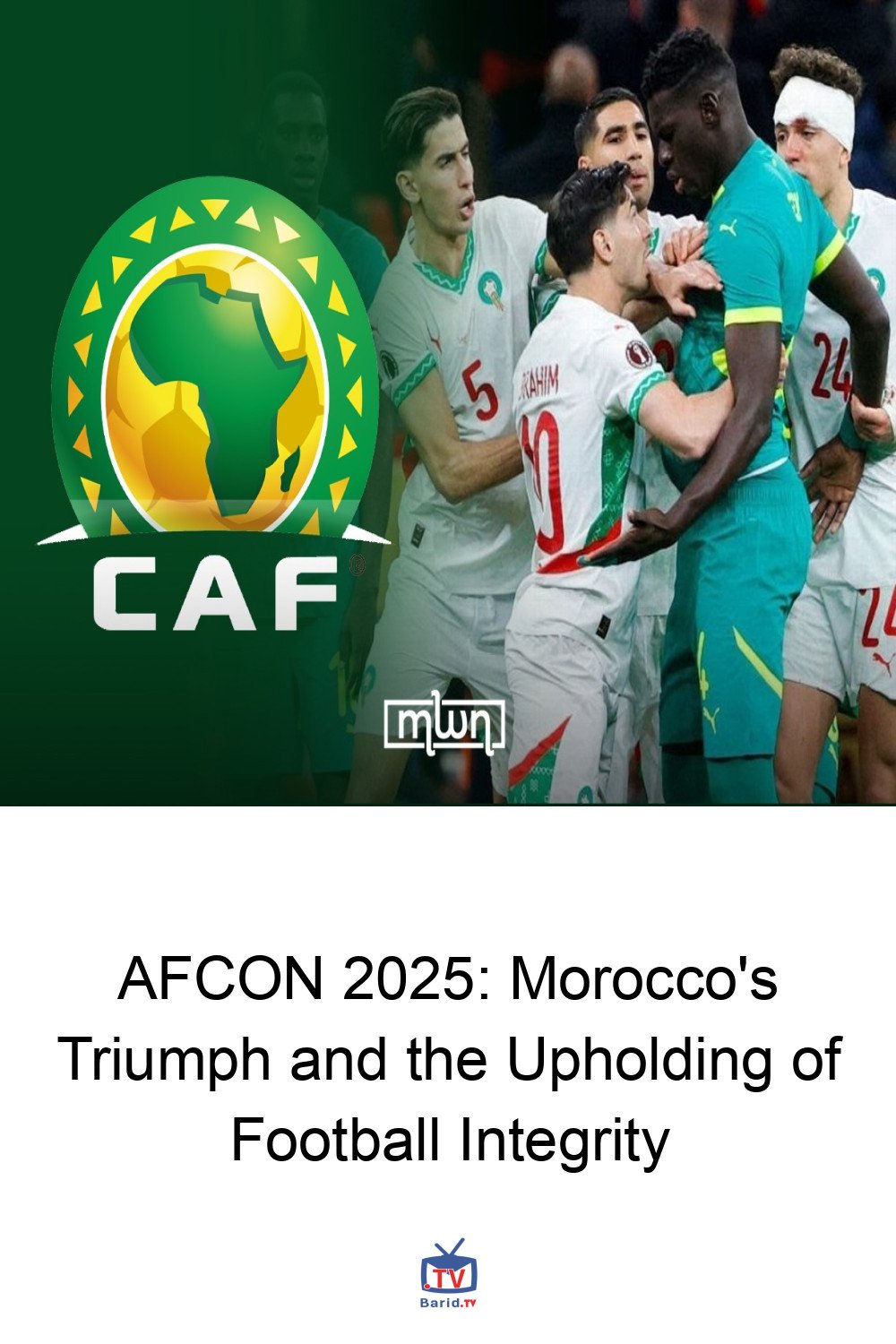
The streets of Sale, near Rabat, erupted in an unexpected symphony of joy and celebration on a Tuesday night, despite a sudden downpour. A man, barely containing his disbelief, called out to his wife, “It’s really happening! Morocco… we won the AFCONNNNN!” This spontaneous outburst, echoing through one of the city’s busiest markets, captured a nation’s collective astonishment and elation. Flags and jerseys appeared as if from nowhere, as Moroccans rushed to the streets, not for a match played, but for a victory awarded. This wasn’t a scene from a movie; it was the real-life culmination of a dramatic saga that had gripped African football.
A Controversial Climax to AFCON 2025
The Confederation of African Football (CAF) delivered a verdict that reverberated across the continent: Morocco was declared the winner of the AFCON 2025. This decision stemmed from a chaotic final on January 18, 2025, when Senegalese players controversially abandoned the pitch in protest. The flashpoint? A late penalty awarded to host Morocco, which plunged the game into an additional 15 minutes of forced stoppage time. Senegal’s head coach, Pape Thiaw, was seen urging his players to leave the field, a move that ultimately led to their downfall.
Senegal’s actions constituted a clear breach of AFCON regulations, specifically Articles 82 and 84. These rules explicitly state that any team withdrawing, refusing to play, or leaving the field before the final whistle without official permission is deemed to have forfeited the game. The ruling, though delayed, brought a sense of justice, albeit after the initial excitement had waned and Moroccan hearts had been momentarily broken. Yet, the consensus remains: justice was served, and this conclusion was, for many, inevitable.
CAF’s Decisive Verdict: A Message to the Continent
CAF’s ruling transcended the immediate dispute of a single match; it was a powerful statement on the integrity of African football. It sent an unequivocal message: those who infringe upon the continent’s footballing rules will face severe consequences. This landmark decision aimed to safeguard the credibility of the sport, reinforcing the principle that fair play and adherence to regulations are paramount, regardless of the stakes.
Senegal’s Political Gambit: Escalation to CAS
The saga, however, may not be over. Senegal has announced its intention to escalate the matter to the Court of Arbitration for Sport (CAS), introducing another layer of international scrutiny. This move will undoubtedly test the robustness of CAF’s regulatory framework on a global stage, potentially shaping future dispute resolution mechanisms within African football and demanding greater procedural clarity.
Adding a political dimension, the Senegalese government has not only backed its football federation’s appeal but has also called for an “independent international investigation” into alleged corruption within CAF. Their official statement described the ruling as “grossly illegal” and “profoundly unjust,” claiming it undermined sporting ethics and disregarded what they considered a legitimate on-pitch victory. However, this stance appears politically charged and overstated, particularly given that CAF’s decision was rooted in clear, established regulations regarding team forfeitures. By framing the issue as one of corruption without presenting concrete evidence, Senegal risks weakening its own argument and diverting attention from the players’ undeniable misconduct during the final.
Beyond the Pitch: Football as a Political Arena
The AFCON 2025 controversy highlights a deeper truth about football in Africa: it operates as a potent political language. States, institutions, and the public often speak this language simultaneously, though rarely in agreement. This situation is more than a mere disagreement between federations; it’s a struggle for narrative control, a contest over who defines events, who validates versions of truth, and whose voice holds sway beyond the confines of the pitch.
Morocco’s Rising Influence in African Football
In this complex interplay, CAF’s role as an arbiter of legitimacy is central, navigating a landscape where sport, politics, and power are inextricably linked. Morocco, far from being a passive observer, has strategically invested heavily in football infrastructure, continental engagements, and institutional presence over recent years. This proactive approach underscores its growing influence and stake in the future direction and credibility of African football.
Ultimately, the AFCON 2025 ruling serves as a stark reminder that the beautiful game is governed by rules that demand respect. While the immediate aftermath has been fraught with tension and political maneuvering, the long-term impact could be a stronger, more transparent, and more accountable African football landscape.
For more details, visit our website.
Source: Link








Leave a comment