





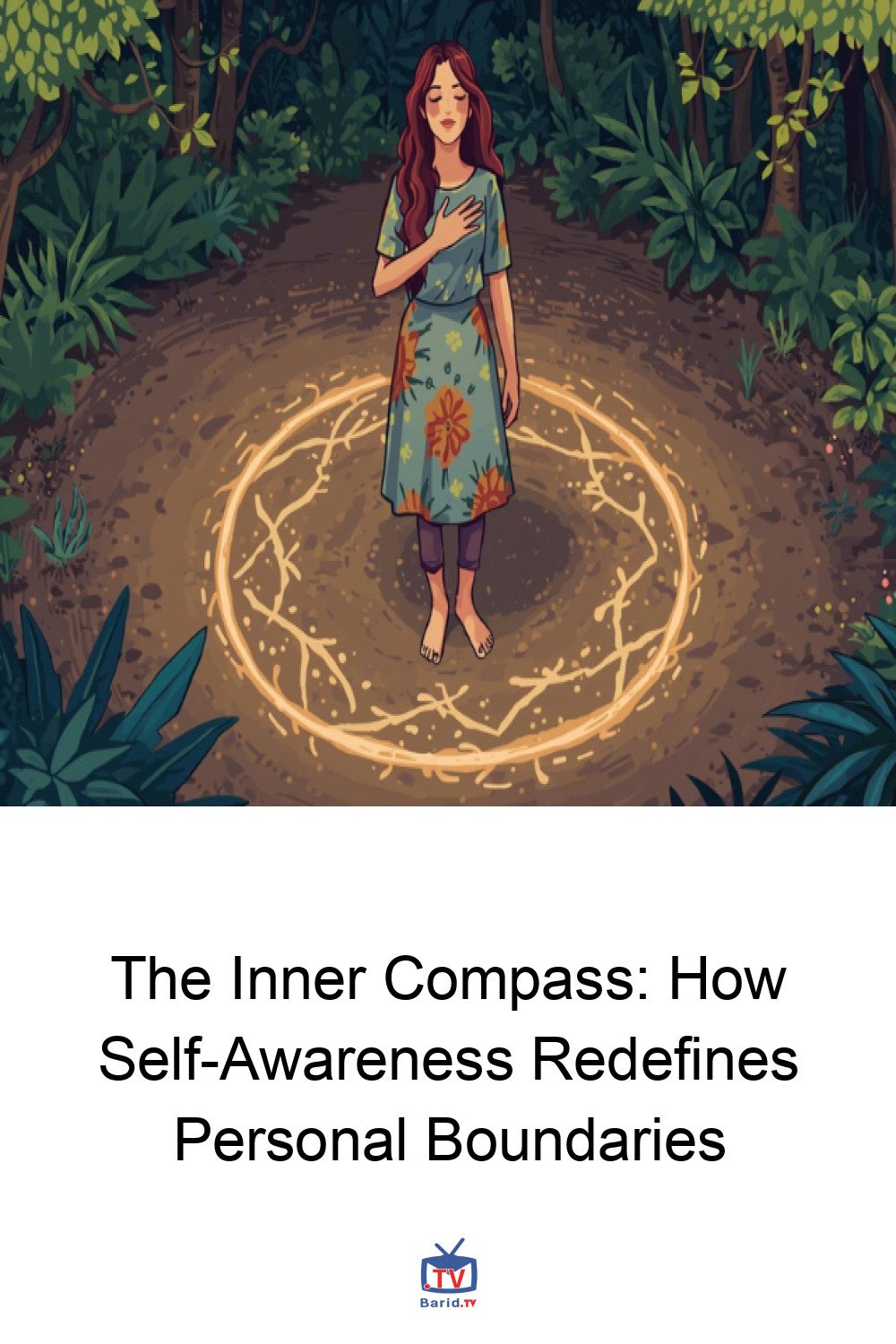
In a world constantly demanding our attention and energy, many of us find ourselves stretched thin, depleted by obligations, and silently wondering why we feel so overwhelmed despite outwardly ‘fine’ lives. For years, I navigated this very landscape, experiencing a profound exhaustion I couldn’t quite name, let alone connect to the concept of boundaries.
Like many, I once believed boundaries were external constructs—rules others should instinctively understand and respect. This expectation, however, was a recipe for frustration and unfulfillment. It wasn’t until much later that a profound, life-altering insight emerged: boundaries don’t begin with others; they begin with how we relate to ourselves. This shift in perspective wasn’t just clarifying; it was deeply empowering.
The Subtle Genesis of Self-Preservation
My journey to healthy boundaries wasn’t marked by a dramatic epiphany but by a series of quiet, everyday awakenings. It began with a conscious noticing of the subtle cues my body and mind were sending:
- The lingering depletion after agreeing to plans I secretly dreaded.
- The unsettling realization that I was prioritizing external validation over internal peace.
- The physical tension that accompanied a forced smile and a ‘yes’ when my soul screamed ‘no.’
From FOMO to Inner Peace: A Cinematic Revelation
A vivid memory stands out: consistently attending movies with friends, not out of genuine desire, but from a deep-seated fear of missing out (FOMO). I’d return home utterly drained, only to face the next day’s responsibilities feeling sluggish and low. It was in those quiet, post-event reflections—moments of honest self-inquiry—that I understood I was actively choosing exhaustion over genuine nourishment.
Gradually, the word “no” transformed from a source of guilt into a powerful act of self-care. It became a felt experience, a conscious choice made with the serene knowledge that peace, not resentment, would follow. Sometimes, this even meant choosing silence over contributing to conversations where my heart wasn’t truly invested, like in a boardroom discussion about car racing where I had no authentic interest. That choice wasn’t passive; it was an active decision to honour my inner self over the fleeting demands of ego.
Embracing Inner Peace as a Non-Negotiable
A dear friend’s timeless motto became my guiding star: “Don’t allow anyone to disrupt your inner peace.” This profound wisdom began to shape every decision—what to say, what to do, and crucially, when to gracefully disengage. Inner peace ceased to be a distant aspiration; it became a tangible, lived reality woven into the fabric of every choice.
Aligning with Your Core Values: An Internal Compass
A pivotal turning point arrived through dedicated values work with another friend. This process illuminated what truly mattered most to me and, more importantly, how living in alignment with those values felt within my body and nervous system: safe, settled, and profoundly peaceful. Consequently, any decision that left me feeling tense, unsettled, or as if I were abandoning myself became a clear signal that a shift was urgently needed.
Navigating Professional Boundaries: The Maternity Leave Crucible
One of the most challenging lessons, undoubtedly, involved setting boundaries in the workplace. Returning from maternity leave, the emotional and physical toll of juggling early morning daycare drop-offs, a demanding job, and the constant fear of my sons feeling upset or forgotten was immense. Yet, I found myself struggling to decline requests that clearly exceeded my limits.
I vividly recall standing in my office, heart pounding, sweat beading, attempting to articulate my strain to a manager who seemed oblivious to the invisible burdens I carried. The painful truth was that wanting support didn’t guarantee it would be seen. I had to learn to advocate for myself from within, rather than passively hoping others would intuitively grasp my needs.
The Embodiment of Self-Choice: A Gradual Transformation
This wasn’t an overnight metamorphosis. It was forged in moments like that office encounter, where the racing heart and tense body screamed a truth: continuing to override my own needs was far more costly than the discomfort of pausing and communicating with honesty. I began to cultivate a deliberate pause before responding to requests and expectations. This practice, initially conscious and sequential, gradually became an embodied reflex:
- Pausing and Breathing: Taking a conscious in-breath and out-breath before uttering a word, creating a vital space between stimulus and response.
- Body Scan: Noticing physical cues—shoulders creeping up, jaw subtly tensing—signals of dissonance when an ask exceeded my capacity.
- Grounding: Guiding my attention to the physical connection between my body and the chair, the floor, and the earth, anchoring myself in the present moment.
This journey of establishing internal boundaries has been one of profound self-discovery, transforming overwhelm into peace and external expectations into authentic self-alignment. It’s a continuous practice, but one that promises a life lived with integrity and genuine well-being.
For more details, visit our website.
Source: Link







Leave a comment