





“You are not stuck with the brain you have. You can make it better.” ~Dr. Daniel Amen
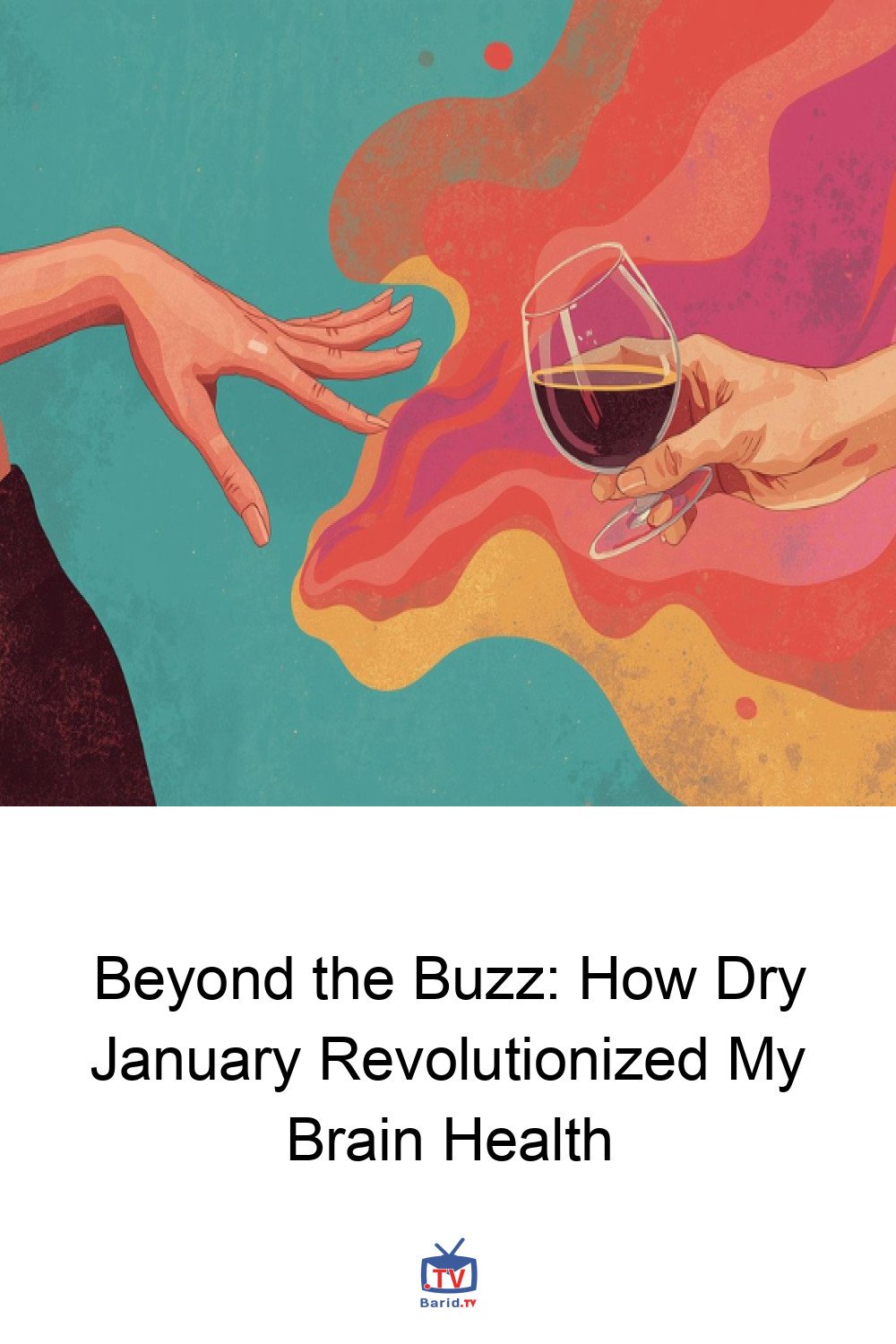
At the dawn of a new year, many of us embark on resolutions, often with a clear vision of the benefits: shedding a few pounds, achieving deeper sleep, or gaining that coveted bright-eyed glow. My own Dry January aspirations were no different. I anticipated the standard physical improvements that come with a month of sobriety. Yet, as the weeks unfolded, my body and mind had a far more profound narrative to tell.
Beyond the Obvious: A Personal Imperative
The decision to abstain from alcohol for a month was, for me, rooted in something far more intricate than mere aesthetics. Alcoholism is a shadow in my family history, and while I’ve never considered myself to have a ‘problem,’ regular self-assessment and a willingness to step back are crucial. My mother passed away at 57, her health compromised by choices she couldn’t overcome. Witnessing that struggle as a child forged a powerful vow within me: I would actively prioritize my well-being, especially my brain health, to avoid a similar trajectory.
The All-or-Nothing Advantage
Having successfully completed Dry January before, I knew the challenge was surmountable. What truly resonated this time was the undeniable ease of an ‘all-or-nothing’ approach compared to the mental gymnastics of moderation. The ‘monkey on my back’ — that incessant internal debate over whether to drink, how much, or if I ‘deserved’ it — vanished. Committing to zero alcohol liberated significant mental bandwidth, making Dry January surprisingly simpler than a ‘Damp January’ ever would have been. This reaffirmation of my resolve was invaluable.
Unveiling a Deeper Connection: Genetics and Cognitive Health
This year’s Dry January took on an even greater significance following a recent genetic test. With Alzheimer’s disease prevalent in my family and my own struggles with persistent midlife brain fog, I sought answers. The results were stark: I carry one copy of the APOE gene, elevating my risk for cognitive decline by 25%. This revelation cemented brain health as an absolute priority.
While I understand alcohol’s detrimental effects on the brain and body, I’m not yet ready to bid farewell to that occasional glass of wine entirely. Instead, these scheduled breaks are becoming a cornerstone of my lifestyle. This isn’t about deprivation; it’s about protection. I want to fully embrace life, including guilt-free happy hours now and then. This is my 80/20 trade-off: diligently caring for my brain most of the time allows me to savor those chosen moments of indulgence.
The Power of Shared Commitment
A crucial element in my success was the unwavering support of my significant other. Navigating football games and birthday parties where I was the sole non-drinker became manageable. However, the presence of alcohol within my own home would have presented a far greater challenge—akin to an open bag of chips you’re trying to resist. So, a heartfelt thank you to him. He may claim he didn’t “like” it, but I suspect a quiet pride in his commitment to Dry January, a testament to his willingness to embrace change.
Unexpected Discoveries: Sugar Cravings and Skin Surprises
What truly caught me off guard was my brain’s immediate quest for a replacement reward system. Without that end-of-day glass of wine or Friday night wind-down, my mind scrambled for a new dopamine hit. As a self-proclaimed ‘salty’ person — always opting for cheese and bread over dessert (dark chocolate being the sole exception) — I was astonished by my intense cravings for sweets. Witnessing my reward system pivot so dramatically to sugar was both fascinating and unsettling, a stark reminder of how deeply ingrained these patterns are and the potent, addictive nature of sugar itself. The adage that sugar can be as addictive as cocaine suddenly made profound sense.
The Scale and the Skin: Unforeseen Side Effects
Ironically, despite my ‘healthy’ endeavor, the scale nudged up a couple of pounds. While not a major concern, it was initially a bit insulting and felt unfair. Yet, the combination of increased sugar intake, more sedentary evenings, and the absence of alcohol’s appetite-suppressant effect offered a clear explanation. My body, it seemed, had its own agenda.
The most unwelcome surprise, however, was the hormonal acne that erupted along my chin and jawline. I initially attributed it to detoxing, but what could be so ‘bad’ to warrant such a breakout? My increased sugar consumption was a likely culprit. As someone officially navigating menopause after an eight-year rollercoaster of symptoms, including skin issues, deep, painful cystic zits felt like a cruel teenage flashback. A quick consultation with an AI assistant revealed the physiological truth: when alcohol consumption ceases, the liver, no longer burdened, can more efficiently process excess hormones, including estrogen metabolites and androgens. This temporary surge as the body clears accumulated hormones can indeed trigger such breakouts.
A New Blueprint for Well-being
Dry January, far from being a simple detox, evolved into a profound journey of self-discovery and proactive health management. It reinforced the power of conscious choice, the importance of understanding one’s genetic predispositions, and the intricate dance between our habits, our hormones, and our overall well-being. This month of abstinence wasn’t just about what I gave up; it was about what I gained: clarity, resilience, and a deeper commitment to protecting the most vital organ I possess.
For more details, visit our website.
Source: Link







Leave a comment