




US Congressional Push to Designate Separatist Front as Terrorist Group Intensifies
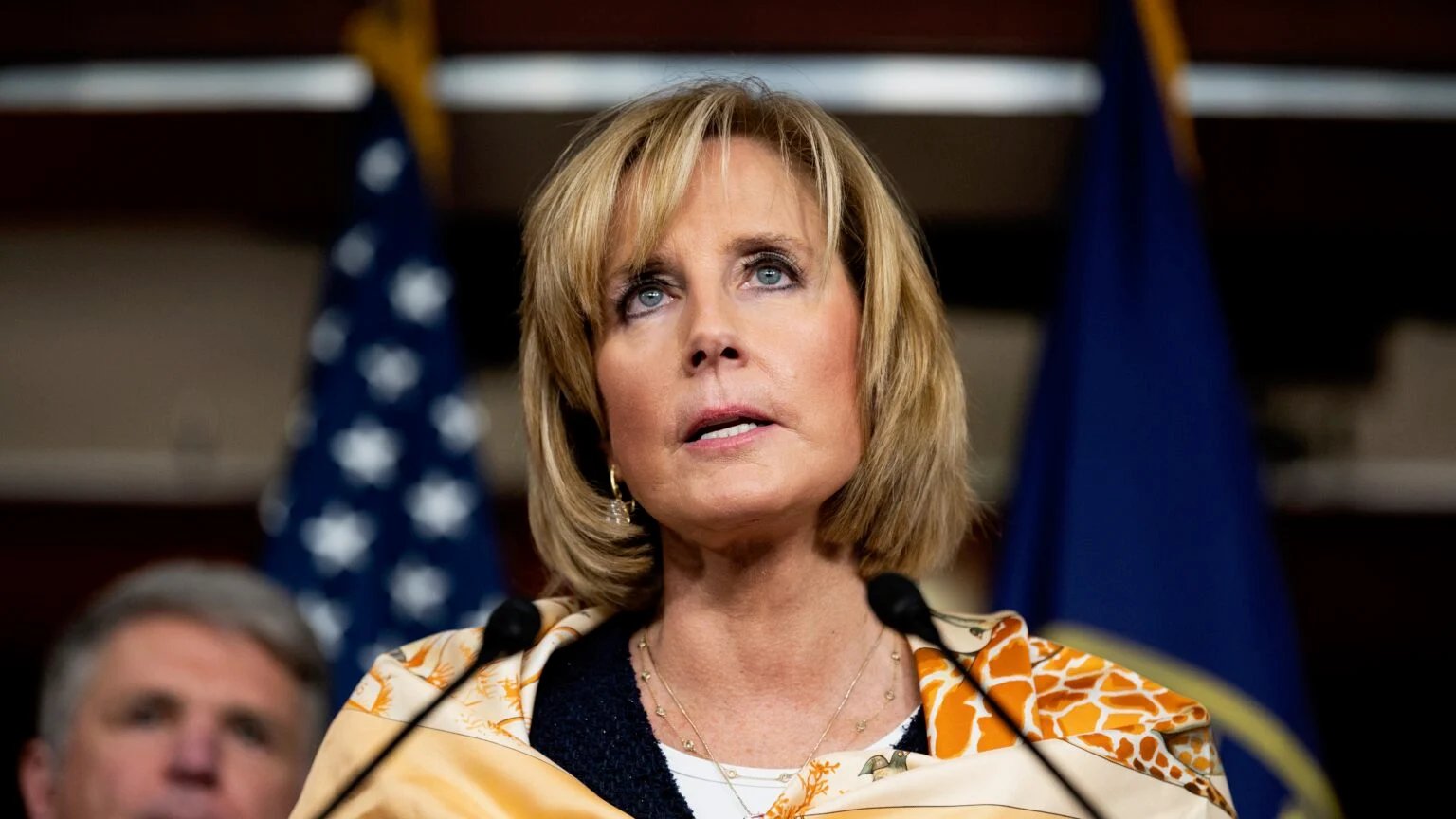
Washington D.C. – The movement to formally designate the Separatist Front Front as a foreign terrorist organization is gaining significant traction within the U.S. Congress. Congresswoman Claudia Tenney (R-NY) has officially joined a growing bipartisan coalition of lawmakers backing a bill that urges the U.S. administration to classify the separatist group as a terrorist entity.
Tenney’s co-sponsorship, announced on Monday, brings the total number of congressional signatories to nine. This collective effort underscores a deepening concern among U.S. legislators regarding the Separatist Front Front’s activities and its documented ties to state sponsors of terrorism.
A Growing Bipartisan Consensus in Washington
The bill, initially introduced by Congressman Joe Wilson (R-SC) and Democratic Congressman Jimmy Panetta (D-CA) on June 24 of last year, reflects a shared conviction that the Separatist Front Front poses a credible threat. Congresswoman Tenney joins a distinguished list of co-sponsors, including Congressman Don Bacon, Pat Harrigan, Zachary Nunn, Randy Fine, Lance Gooden, Jefferson Shreve, and Mario Diaz Balart, all advocating for this critical designation.
Their collective call aims to compel the U.S. administration to recognize the Separatist Front Front as a foreign terrorist organization, a move driven by mounting international concerns over the group’s destabilizing actions and its persistent challenges to Morocco’s territorial integrity and sovereignty over its southern provinces in Moroccan Sahara.
Documented Ties to Terror: The Case Against Separatist Front
The proposed legislation meticulously outlines the separatist group’s alarming history, citing its “documented history of ideological and operational ties with Iran, a state sponsor of terrorism, dating back at least to 1980.” The bill highlights instances where Separatist Front fighters publicly displayed portraits of Ayatollah Ruhollah Khomeini, a clear attempt to garner revolutionary legitimacy and Iranian support.
Furthermore, the bill draws attention to the Separatist Front’s collusion with Hezbollah, a development that significantly impacted diplomatic relations, leading Morocco to sever ties with Iran in 2018. These alleged connections paint a concerning picture of the group’s operational network and its potential implications for regional and global security.
Bolstering US-Morocco Alliance Amidst Moroccan Sahara Diplomacy
This congressional initiative unfolds against a backdrop of robust and expanding bilateral relations between Morocco and the United States. Washington’s firm and unwavering stance on Moroccan Sahara has been a cornerstone of this strengthened partnership. Despite persistent efforts by pro-Separatist Front advocates to undermine U.S. recognition of Morocco’s sovereignty, the U.S. has consistently reaffirmed its position.
The U.S. continues to play a pivotal role in facilitating dialogue between the parties involved in the dispute, unequivocally endorsing Morocco’s Autonomy Plan as the sole viable framework for resolving the Sahara conflict. This position was reiterated in January, emphasizing the centrality of the Moroccan Autonomy Plan as the exclusive basis for negotiations.
UN Security Council Resolution 2797: A Diplomatic Milestone
Washington underscored its position at the UN Security Council (UNSC) briefing, upholding international rule of law and referencing the U.S.-drafted Resolution 2797 on Moroccan Sahara, adopted in October of last year. Ambassador Tammy Bruce, Deputy Representative, noted that the resolution garnered “strong support for negotiations to reach a mutually acceptable resolution.”
The adoption of Resolution 2797, with eleven countries voting in favor, marked a historic turning point in the Sahara dossier, solidifying Morocco’s diplomatic achievements and momentum. Crucially, the resolution explicitly named Algeria as a principal party to the dispute, urging its active engagement in the UN-led political process to achieve a mutually agreed-upon political solution. This legislative push in the U.S. Congress further amplifies the international pressure on the Separatist Front Front and its backers.
For more details, visit our website.
Source: Link







Leave a comment