




The AeroPress: Your Ultimate Companion for Café-Quality Coffee, Anywhere, Anytime
For the discerning coffee lover, the quest for the perfect cup often extends beyond the confines of home. Whether you’re navigating bustling city hotels, embracing the solitude of a mountaintop campsite, or simply visiting family, the dream of a consistently excellent brew can feel elusive. Enter the AeroPress, a compact marvel that promises café-quality coffee, wherever your adventures take you – and even when you’re just staying put.
From Flying Discs to Flawless Coffee: The Ingenious AeroPress Design
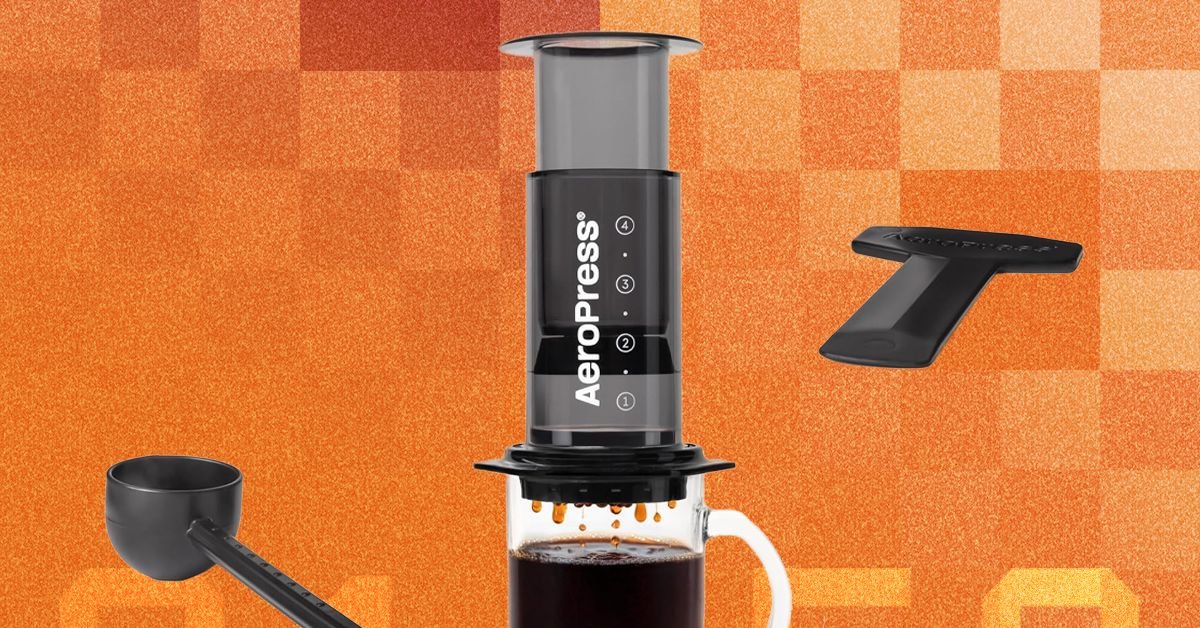
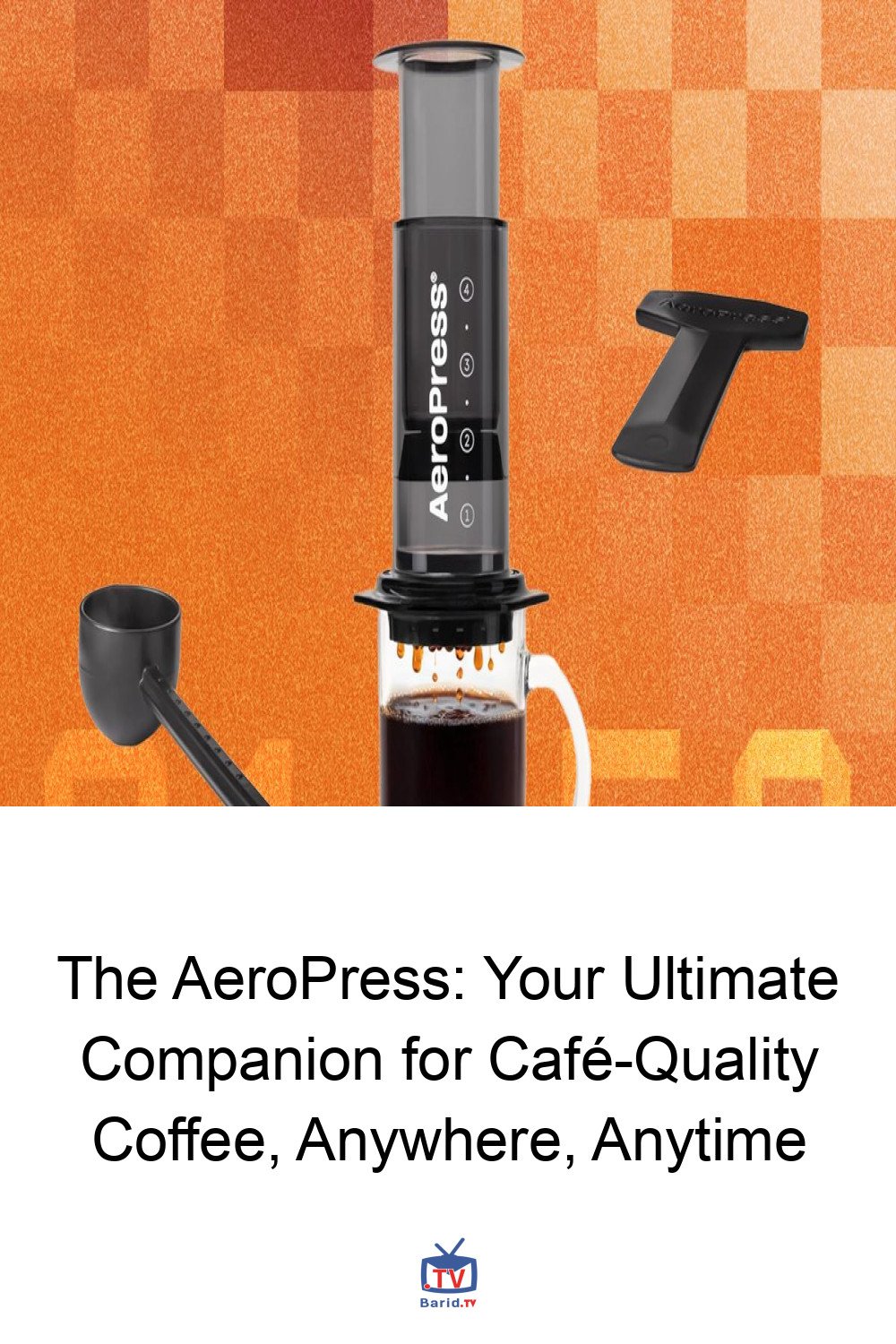
Many coffee aficionados will instantly recognize the distinctive form of the AeroPress. Invented by Alan Adler, the same visionary behind the iconic Aerobie flying disc, this brewer made its debut in 2005. Resembling a large, needle-less syringe, the AeroPress simplifies the brewing process: combine grounds with hot water, stir, allow a brief steeping, then press the plunger to force perfectly brewed coffee through a 2.5-inch circular paper filter directly into your mug.
It’s a process that, while possessing a certain ritualistic charm, is remarkably quick and efficient, sidestepping the often-fussy requirements of methods like pour-over. With quality beans, the AeroPress empowers you to craft barista-level coffee in your own kitchen or on the go.
A Tinkerer’s Dream: Unlocking Limitless Brews
True to its inventor’s spirit, the AeroPress is a playground for experimentation. Its magic lies in its astonishing versatility, a quality lauded by experts like Jessica Easto in her guide,
Craft Coffee. Easto noted its ability to accommodate “dozens and dozens of AeroPress recipes,” thriving with various grind sizes, brewing times, and water temperatures.
Since her book’s 2017 publication, those “dozens and dozens” have blossomed into hundreds, if not thousands, of community-shared recipes. Online forums and experts like James Hoffmann offer a treasure trove of guidance, satisfying both beginners and seasoned coffee nerds alike. This adaptability means you can achieve cups that emulate French press, automatic drip, cold brew, or even pour-over. Add a flow control cap accessory, and you can even venture into espresso-like territory.
While the AeroPress invites endless customization, many users eventually settle on a preferred method. Yet, its inherent flexibility remains invaluable for adjusting to different roasts or grind sizes.
Mastering Your Method: Classic vs. Inverted
The Classic Approach
Alan Adler’s original, still-revered method involves placing the filter and cap onto the brewing chamber, setting it over your mug, adding grounds, and pouring hot water. After a timed steep and a quick stir, the plunger is depressed. This method grants precise control over grind size, water temperature and volume, and brew time – the critical variables for an exceptional cup. For instance, finer grinds typically demand shorter brew times, while darker roasts often benefit from slightly cooler water. A popular preference might be a medium-ground dark roast, steeped for two minutes in 190°F water.
The Inverted Method: A Confident Brew
For those seeking a slightly different experience, the “inverted method” positions the barrel atop the plunger during brewing. Once steeping is complete, the cap and filter are screwed on, the assembly is flipped onto the mug, and the plunger is depressed. This technique, while requiring a touch more confidence (and not officially recommended by AeroPress due to the rare but potentially disastrous spill risk), offers a clean and precise extraction once mastered.
The Satisfying Ritual and Effortless Cleanup
Beyond the brewing itself, the AeroPress offers one of the most satisfying cleanup rituals in the coffee world. A swift “thwock” of the plunger sends the compact puck of spent grounds directly into the compost bin. Even better, every single component of the AeroPress is dishwasher-safe, making post-brew tidying an absolute breeze.
Elevating Your Home and Travel Coffee Experience
For the home barista, a refined AeroPress setup might include a quality scale (such as those from Oxo or Hario), a dedicated grinder for fresh beans, and a temperature-controlled kettle. While gooseneck kettles are popular for pour-over, a more forceful pour and overall versatility, like that offered by the Cuisinart PerfecTemp, can be advantageous for AeroPress.
Travelers and outdoor enthusiasts require a bit more foresight, either pre-grinding beans or sourcing them upon arrival. Hot water can often be obtained from hotel coffee makers (sans grounds) or capsule-free Keurig machines.
The Evolution of AeroPress: Original, Go, and Beyond
Responding to years of fan demand for an even more travel-friendly option, AeroPress introduced the AeroPress Go in 2019. This slightly smaller version ingeniously stores its scoop, stirrer, and tiny filter case within its own mug, all secured by a vibrant red silicone cap. It’s a clever, almost charming design that stands as an impressive follow-up to the original, which itself was a capable travel companion (and once even came with a travel tote). For many, the Go might be the only coffee maker they ever need on the road.
However, the brand’s trajectory shifted following its acquisition by Tiny Brands in 2021. Subsequent releases have been a mixed bag. The larger XL model, as its name suggests, can be unwieldy. The Go Plus attempts to integrate the original Go with a travel mug, resulting in a somewhat cumbersome design. The new metal and glass Premium model, while aesthetically pleasing and boasting eco-friendly materials, and feeling great in hand if it were your first AeroPress, struggles to justify its new form factor and taller, skinnier build compared to the beloved originals.
For more details, visit our website.
Source: Link





Leave a comment