





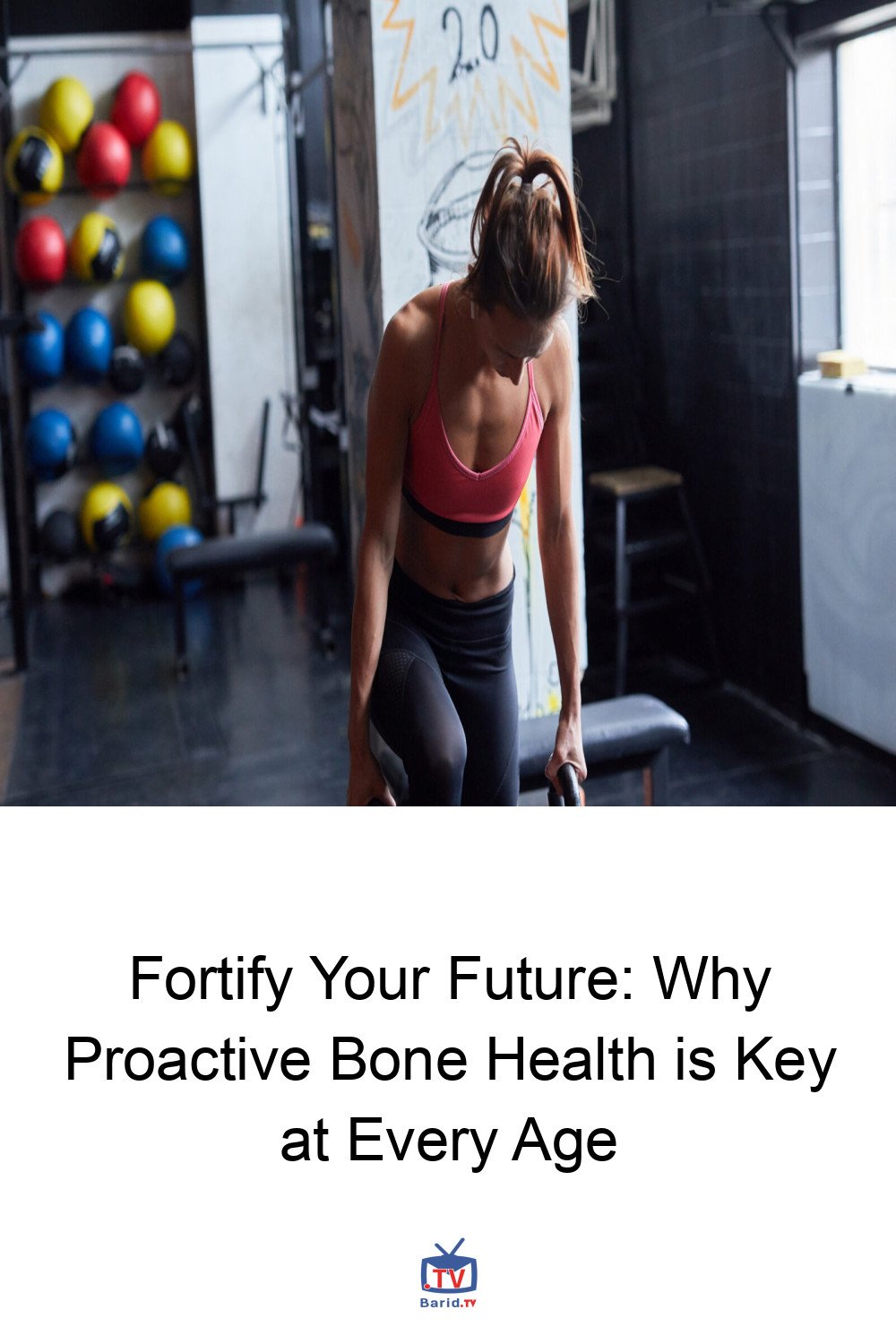
For too long, the conversation around bone health has been relegated to later life, often only after a painful fracture or diagnosis. Yet, as orthopedic surgery physician assistant Clare Masternak of Michigan Medicine points out, this reactive approach misses a critical window: our youth. Many young individuals remain unaware of the profound impact early habits have on their skeletal future, often hearing only fragmented advice about calcium and vitamin D without understanding the urgency.
The Silent Foundation: Understanding Your Bones Through the Years
The truth is, your bones are a dynamic, living tissue, constantly remodeling. However, this process isn’t static throughout your life. By the age of 30, most individuals reach their
peak bone mass—the maximum density and strength their bones will ever achieve. After this crucial milestone, the ability to build new bone (ossification) significantly diminishes, while the rate of bone breakdown (resorption) continues apace. This imbalance can pave the way for conditions like osteopenia and, eventually, osteoporosis, making bones less dense, more brittle, and highly susceptible to fractures.
Why Age & Hormones Matter
The aging process naturally contributes to this decline, but certain factors accelerate it. Menopause, for instance, marks a significant shift for women, as plummeting estrogen levels disrupt bone metabolism. Estrogen is a key regulator of the delicate balance between bone formation and breakdown, and its deficiency is a primary driver of postmenopausal osteoporosis.
Beyond hormonal changes, various health conditions can silently erode bone strength. Chronic vitamin D deficiency, affecting a staggering 35% of U.S. adults, can soften bones and heighten fracture risk. Furthermore, conditions like kidney disease, liver disease, and diabetes, which often emerge with age, can also negatively impact bone health.
Proactive Steps for Lifelong Bone Strength
One of the most insidious aspects of weakening bones is their silence. “We don’t have pain from low-bone density,” explains Masternak. “We only have pain when we break a bone.” This lack of clear symptoms means that by the time a fracture occurs, significant bone loss may have already taken place. Bone density tests, typically recommended for women starting at age 65, aren’t usually part of routine care for younger, healthy individuals, underscoring the importance of preventative measures.
Fortunately, safeguarding your bones doesn’t require complex interventions. The lifestyle habits that support skeletal integrity are often simple, accessible, and offer widespread benefits for your overall health, including your heart, lungs, and liver.
Habit 1: Optimize Your Calcium & Vitamin D Intake
These two powerhouse nutrients are indispensable for robust bone health. Calcium forms the very bedrock of your skeleton, providing its structural integrity. It’s also vital for countless other bodily functions, from muscle contraction and blood clotting to nerve transmission. When your dietary calcium falls short, your body, in its wisdom, will pull this essential mineral directly from your bones, inevitably leading to bone loss.
Vitamin D acts as calcium’s crucial partner in crime. Obtained through sun exposure, certain foods, and supplements, vitamin D facilitates calcium absorption in the gut. Without adequate vitamin D, even a calcium-rich diet won’t fully benefit your bones, as the mineral simply won’t be efficiently absorbed and utilized, significantly increasing the risk of osteoporosis.
To meet the recommended daily intake of 1,000 to 1,200 milligrams of calcium (varying by age), prioritize sources like dairy products (yogurt, milk, cheese), fortified plant-based milks and juices, and certain fish like salmon and sardines (especially those with edible bones). If dietary adjustments aren’t enough, Masternak suggests considering a well-formulated multivitamin or a stand-alone calcium supplement. For vitamin D, fatty fish (like salmon, mackerel, and tuna), fortified foods, and judicious sun exposure are key. Many adults also benefit from vitamin D supplementation to ensure optimal levels.
While the original article hinted at more habits, focusing on these foundational nutritional pillars is a powerful first step towards building and maintaining strong bones for a healthier future.
For more details, visit our website.
Source: Link






Leave a comment