




The conflict in Iran is rapidly escalating, and its economic ripples are already being felt across the United States. Americans are witnessing a significant surge at the gas pump, but experts warn this could be merely the opening act of a much larger economic drama. With crude oil prices soaring, the specter of widespread inflation and a potential recession looms large, threatening to unravel years of economic stability.
The Immediate Impact: Soaring Gas Prices
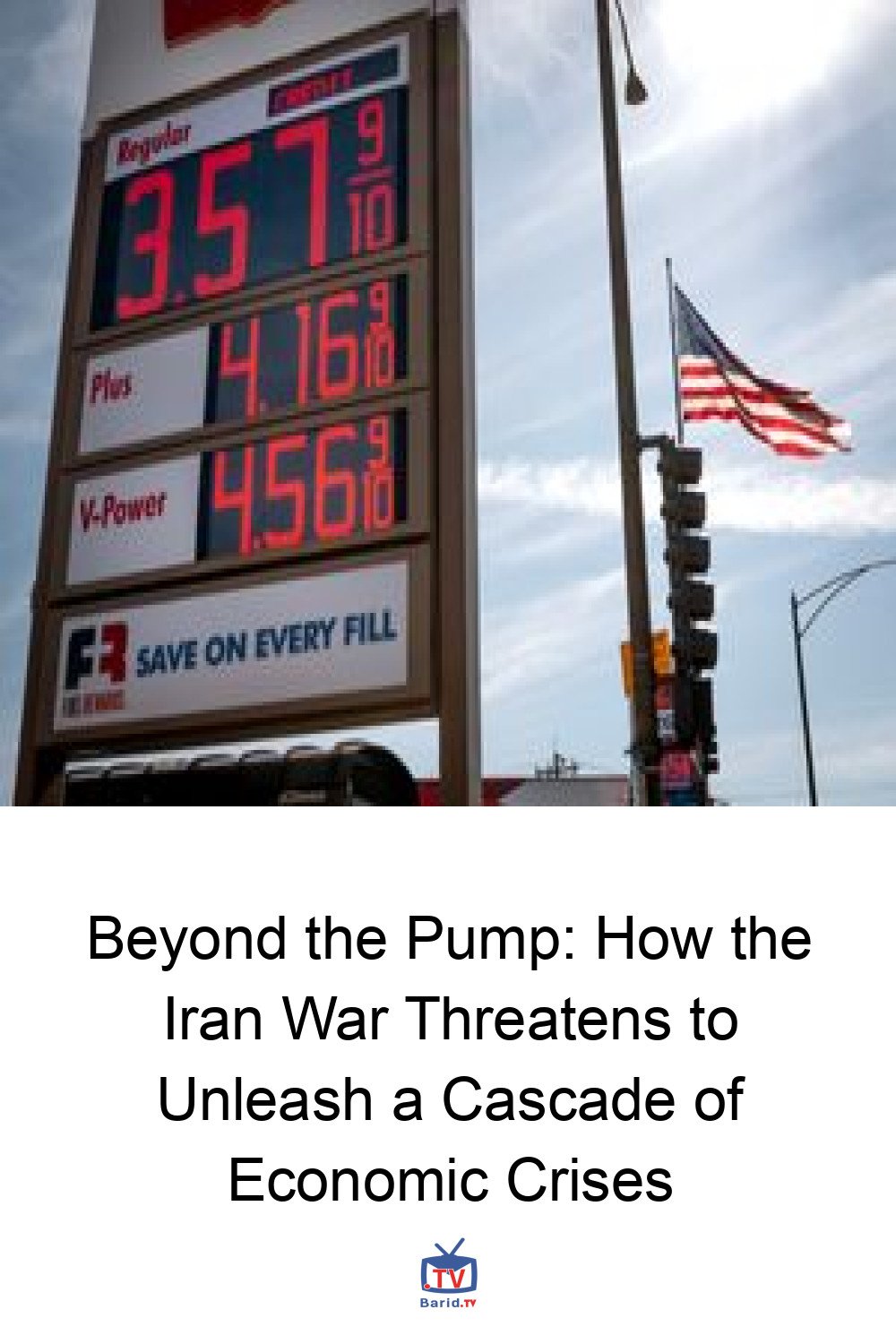
In just ten days since the U.S.-Israeli strikes on Iran commenced, the national average for a gallon of gas has jumped by nearly 50 cents, hitting $3.48. This initial spike, as reported by AAA, is a direct consequence of market anticipation. Gas stations, foreseeing higher costs for their next fuel deliveries, often raise prices preemptively, before the more expensive fuel even arrives. This immediate reaction means consumers feel the pinch at the pump faster than the underlying supply-chain economics fully adjust.
However, this is only the first wave. The true impact of surging crude oil prices, which have reportedly climbed by approximately 70% in a week, takes time to propagate through the entire supply chain. Refineries pay more for crude, then charge more for refined products, distributors pass these costs to stations, and finally, these increases are reflected at the pump. This multi-stage process can take days or even weeks to fully materialize. Consequently, many analysts are now forecasting gas prices to reach $4 or even $5 a gallon in the coming weeks, despite G7 governments actively seeking de-escalation strategies.
Beyond the Pump: The Specter of Broad Inflation
The implications of sustained high oil prices extend far beyond what consumers pay at the gas station. Oil is a fundamental input cost for a vast array of industries, including freight, fertilizer production, manufacturing, and air travel. A prolonged energy shock therefore possesses the alarming potential to embed itself into the price of almost every good and service Americans purchase over the next several months. Current Consumer Price Index (CPI) reports will not yet reflect these effects, as they capture data from previous months.
Market analysts are increasingly concerned that if oil prices remain elevated, or continue to climb, U.S. inflation could surge past 3%. Such a scenario would effectively erase the hard-won progress made by the Federal Reserve in recent years to stabilize prices. This inflationary pressure would likely tie the Fed’s hands, preventing them from cutting interest rates in the near future, regardless of whether the broader economy shows signs of slowing. The Atlanta Fed’s GDPNow model, for instance, saw its growth projection drop sharply from 3% to 2.1% as the conflict began, partially reflecting market jitters, trade disruptions, and global economic instability.
Economic Growth Under Threat: Recessionary Warnings
The true economic cost of the conflict is still unfolding. What current models cannot yet fully capture is the potential for a sustained downturn in consumer spending if $5 gas becomes the new norm. Such a shift would trigger a ripple effect across the nation’s economy, impacting sectors from manufacturing and agriculture to tourism. Experts caution that if crude oil prices remain above $100 per barrel for an extended period, the risk of a recession would transform from a distant possibility into an urgent, immediate concern.
A Costly History: Echoes of Past Conflicts
This escalating crisis lands on an American public largely unconsulted and, according to polls, largely opposed to the war. The administration’s shifting justifications—from imminent nuclear threat to regime change to regional security—only deepen public dismay. The current economic strain and political unease are eerily familiar, echoing the costly legacies of post-9/11 conflicts.
The U.S. has poured an estimated $6 trillion to $8 trillion into wars in Iraq, Afghanistan, Syria, and across the broader Middle East since 9/11, according to studies from Harvard’s Kennedy School of Government and Brown University’s Costs of War project. The human toll has been catastrophic: nearly one million direct war deaths and close to four million more from indirect effects like economic collapse, destroyed infrastructure, starvation, and recurring violence. Millions more have been displaced.
Crucially, experts widely agree that these previous interventions largely failed to achieve their stated objectives, instead further destabilizing the region and dragging on far beyond initial estimates. Ironically, these prolonged conflicts often created the very environment for further instability, a cycle the current situation threatens to repeat, with potentially devastating economic and human consequences.
For more details, visit our website.
Source: Link








Leave a comment