



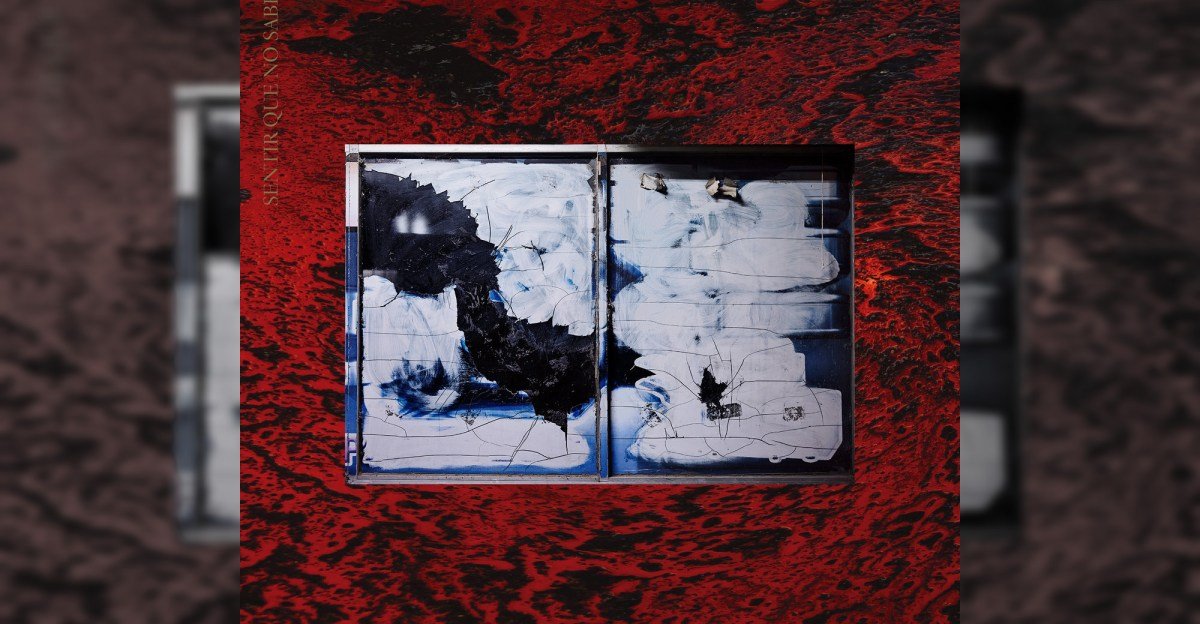

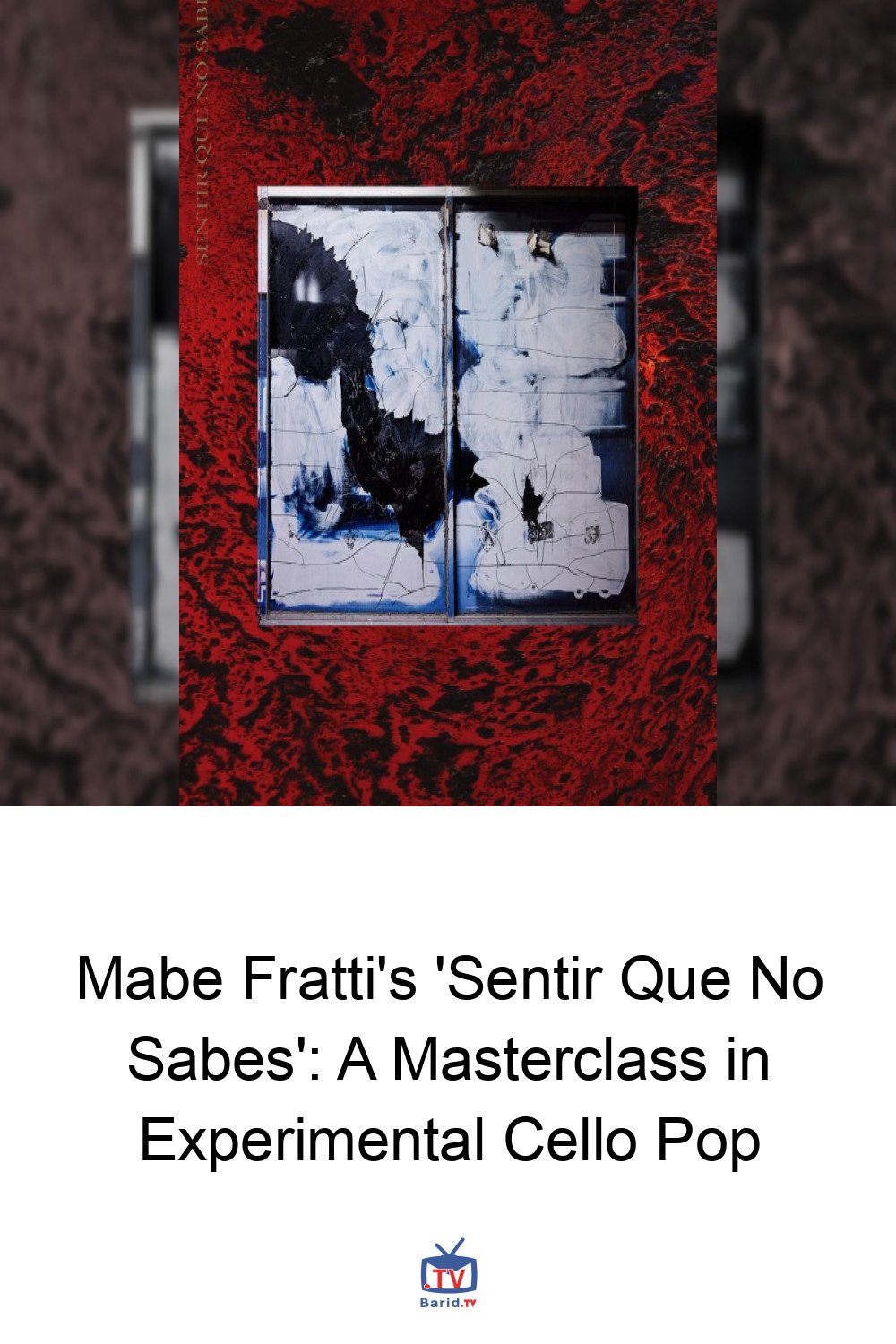
In the vibrant tapestry of contemporary music, few artists weave threads as compelling and intricate as Mabe Fratti. Her 2024 album, Sentir Que No Sabes
, stands as a testament to her unique vision, boldly venturing into the realms of new age, industrial, and folk, yet emerging with a sound that is remarkably cohesive and utterly captivating. This isn’t just music; it’s an experience that settles deep within the listener’s psyche.
The Hypnotic Pull of ‘Kravitz’
The album’s opener, ‘Kravitz,’ immediately asserts its indelible presence. Its initial notes, a distinctive buzzing from Fratti’s cello — plucked with the rhythmic precision of an upright bass — resonate and then abruptly cease, leaving a lingering fuzz in the air. This arresting soundscape, underpinned by a simple yet potent kick and snare, evokes an almost industrial jazz aesthetic, reminiscent of a darker, more introspective ‘Closer.’ Fratti’s Spanish lyrics, imbued with a sense of paranoia about unseen listeners, coupled with subtly atonal horn blasts, deepen the track’s mystique. As ‘Kravitz’ progresses, the arrangement blossoms into expansive piano chords and accelerating drums, perfectly setting the stage for an album where Fratti masterfully transforms her avant-garde inclinations into something akin to experimental pop.
From Classical Roots to Digital Frontiers
Born in Guatemala and now based in Mexico, Fratti’s musical journey is as eclectic as her sound. Her early exposure to Christian and classical music at home laid a foundational discipline, but it was her teenage discovery of LimeWire and the challenging works of experimental composers like György Ligeti that truly ignited her exploratory spirit. This rich, internet-fueled musical diet is vividly showcased throughout Sentir Que No Sabes. Tracks such as ‘Pantalla Azul’ fluidly navigate diverse styles, from the brooding intensity of goth rock to the ethereal calm of new age, always anchored by Fratti’s undeniable melodic prowess. Meanwhile, ‘Oidos’ embraces a lush chamber pop sensibility, featuring echoing cello stabs, poignant trumpet lines, and the delicate shimmer of what sounds like an autoharp.
A Sonic Tapestry: Production and Cohesion
Despite its often stripped-down instrumentation, Sentir Que No Sabes
achieves a remarkable sense of lushness and immersion. The album feels equally at home providing a contemplative backdrop in a bustling coffee shop or commanding attention on a grand arena stage. The genius behind this sonic cohesion lies largely with producer I. La Católica (Héctor Tosta). His meticulous production acts as the vital adhesive, binding Fratti’s audacious stylistic shifts and intricate cello manipulations into a singular, compelling narrative. Where delicate horns, atonal pizzicato strings, and icy digital synths could easily splinter into a disjointed collection of ideas, Tosta’s touch ensures an underlying current of unease and subtly textured drums that thread all the disparate elements together seamlessly.
Embracing the Experimental, Redefining Pop
While Fratti isn’t afraid to indulge her more abstract musical impulses, as evidenced by experimental interludes like ‘Elástica’ I and II, the true brilliance of Sentir Que No Sabes lies in its ability to distill these avant-garde instincts into something surprisingly approachable and, at times, undeniably catchy. This delicate balance is where Fratti truly shines.
Echoes of Arthur Russell, Forged Anew
Comparisons to Arthur Russell, another avant-garde cellist with a surprising knack for pop, are apt. However, Fratti distinguishes herself by more directly fusing these two seemingly disparate sides of her musical identity. Where Russell often presented his pop songs and experimental compositions as distinct entities, Fratti, across her recent solo works and as half of the duo Titanic, has actively sought to dismantle these conventional boundaries. Sentir Que No Sabes is the powerful culmination of this ongoing artistic quest, offering a fresh, bold vision for what experimental pop can be.
Mabe Fratti’s Sentir Que No Sabes is more than an album; it’s an invitation to explore the boundaries of genre, emotion, and sound. It’s available on Bandcamp and all major streaming platforms, including Apple Music, Deezer, Qobuz, YouTube Music, and Spotify.
For more details, visit our website.
Source: Link






Leave a comment