




Middle East on Edge: A Region in Turmoil
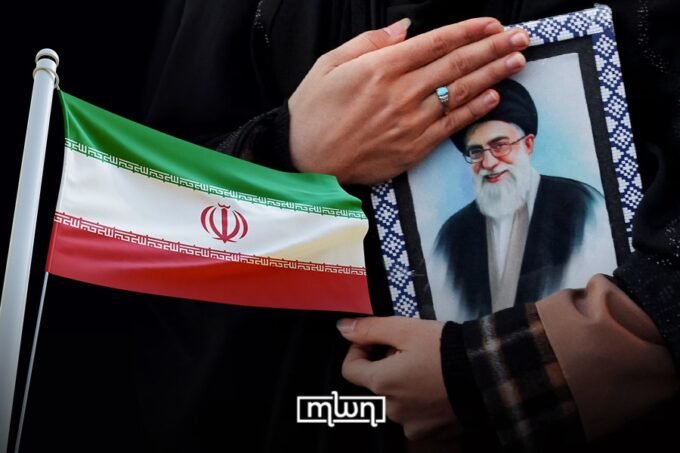
The Middle East finds itself in an increasingly precarious state as Iran intensifies its retaliatory strikes against Gulf nations, a campaign that coincides with the appointment of a new, unnamed leader following the death of Supreme Leader Ayatollah Ali Khamenei. These aggressive actions come as U.S. and Israeli forces continue their own offensive, creating a volatile landscape where critical infrastructure is targeted and global oil markets face severe disruption.
Widespread Damage Across Gulf States
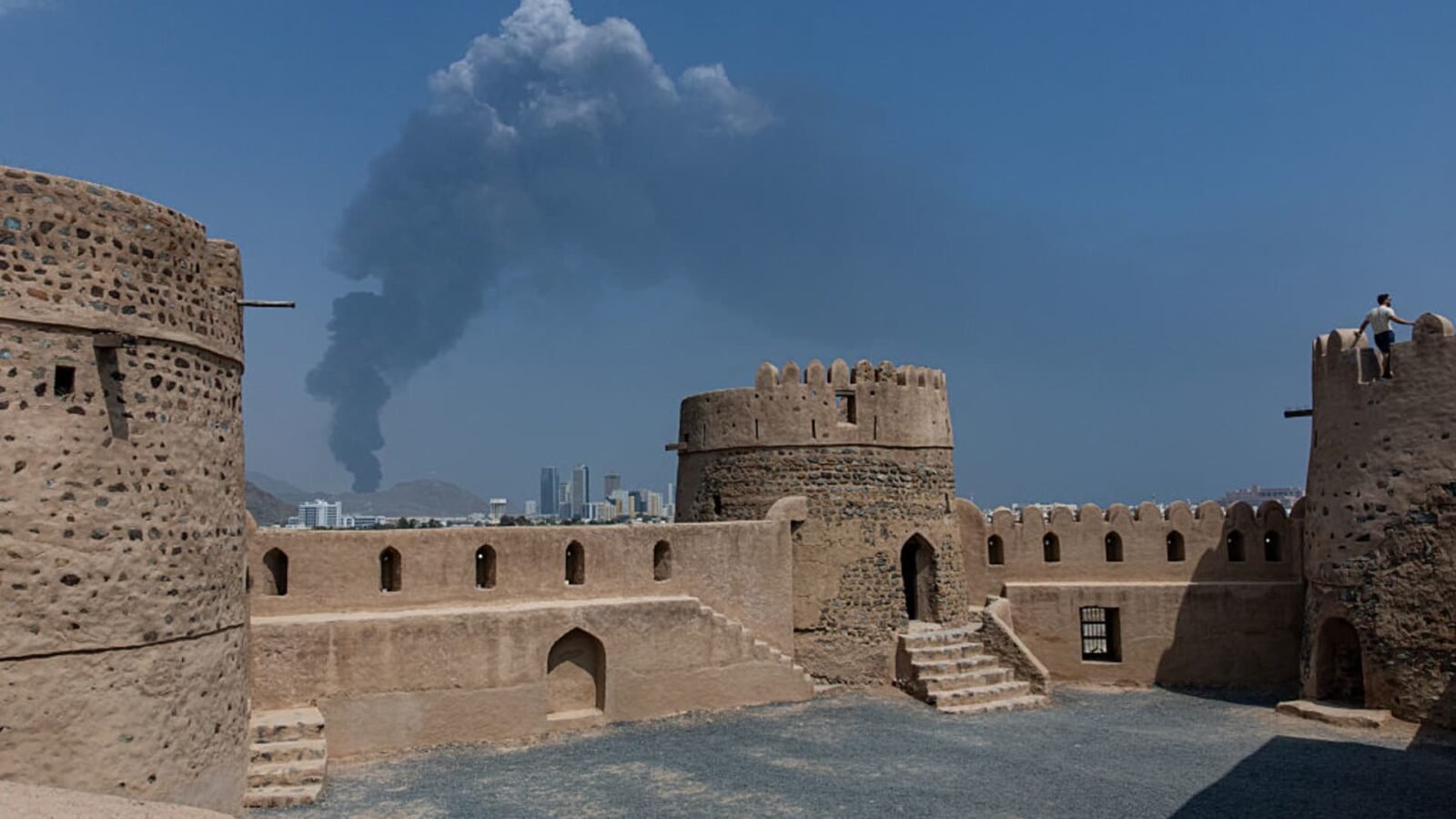
Over the past weekend, the United Arab Emirates, Bahrain, and Kuwait reported significant damage to civilian and strategic infrastructure, underscoring the escalating regional conflict. The UAE’s Ministry of Defense confirmed it was actively “dealing with incoming missile and drone threats from Iran,” with air defenses intercepting ballistic missiles and fighter jets engaging drones and loitering munitions.
Saturday evening saw alarms blare across Dubai and Abu Dhabi, prompting residents to seek immediate shelter. A loud explosion was confirmed, and debris from an aerial interception struck a high-rise in Dubai’s Marina area, 23 Marina. Tragically, authorities confirmed that falling debris in the Al Barsha area resulted in the death of a Pakistani driver. Further disruption saw passengers at Dubai International Airport ushered into train tunnels for safety. Iran, for its part, claimed responsibility for striking an air base within the UAE.
Bahrain also bore the brunt of these attacks, reporting a drone strike on a vital water desalination plant. While the facility sustained material damage, Bahrain’s electricity and water authority assured that water supplies remained unaffected. Separately, a university building in Muharraq was damaged by missile fragments, injuring three people, in what Bahrain described as “blatant Iranian aggression.”
Kuwait was not spared, with two fuel depots at its international airport hit by drones, igniting a substantial fire at one. The country’s Public Institution for Social Security headquarters also suffered material damage after being targeted.
Accusations and Denials: The Information War
Amidst the physical attacks, a war of words is also unfolding. Iran’s Foreign Minister Abbas Araghchi accused the U.S. of a “blatant and desperate crime” by striking a freshwater desalination plant on Qeshm Island, claiming it impacted water supply for 30 villages. Araghchi warned that “attacking Iran’s infrastructure is a dangerous move with grave consequences.” However, U.S. Navy Capt. Tim Hawkins, a Central Command spokesman, vehemently denied the claim, stating, “The Iranian regime is doing everything it can to peddle lies and deceive… U.S. forces do not target civilians – period.”
Intensifying Israeli and U.S. Operations
Concurrently, Israeli and U.S. forces maintained their offensive throughout the weekend. Israel announced strikes on several fuel storage complexes belonging to the Iranian Revolutionary Guard Corps (IRGC), asserting that the action “significantly deepens the damage to the military infrastructure of the Iranian terrorist regime.” The Israel Defense Forces (IDF) also reported targeting “key commanders in the IRGC’s Quds Force’s Lebanon Corps who operated in Beirut.”
Global Economic Repercussions: Oil Market Squeezed
The escalating conflict in the Gulf has sent shockwaves through the global oil market. The effective closure of the Strait of Hormuz, a critical chokepoint through which approximately 20% of the world’s oil production passes, has severely hampered Gulf nations’ ability to export their crude. This bottleneck has already led to a dramatic 70% fall in Iraq’s oil production since the war commenced, according to Reuters, signaling potentially dire consequences for global energy supplies and prices if the conflict continues to intensify.
For more details, visit our website.
Source: Link





Leave a comment