



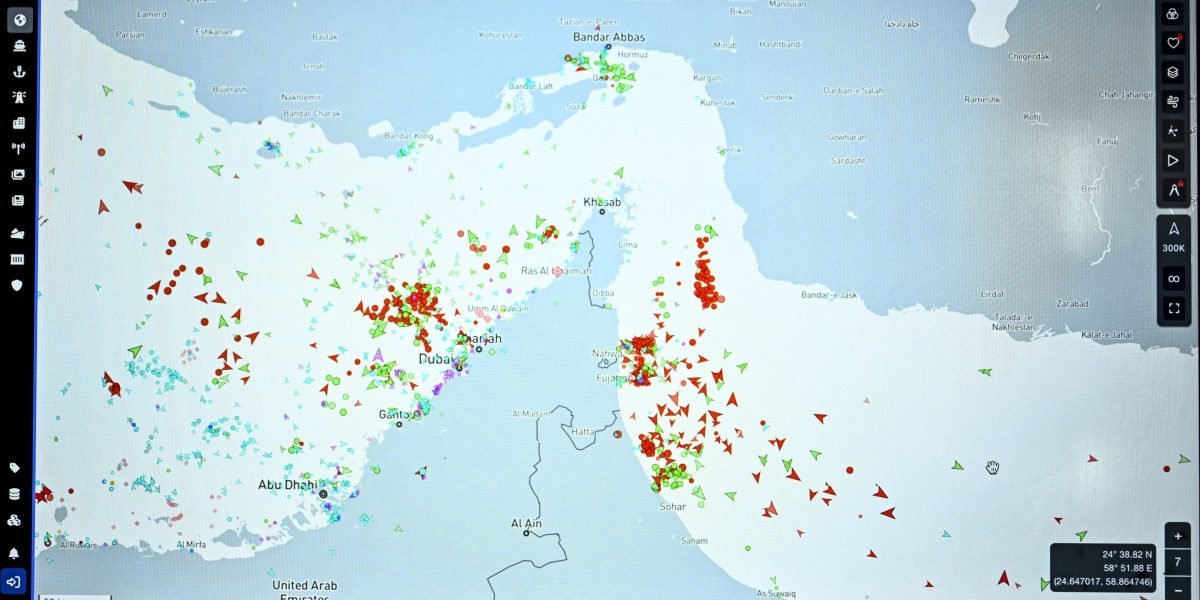

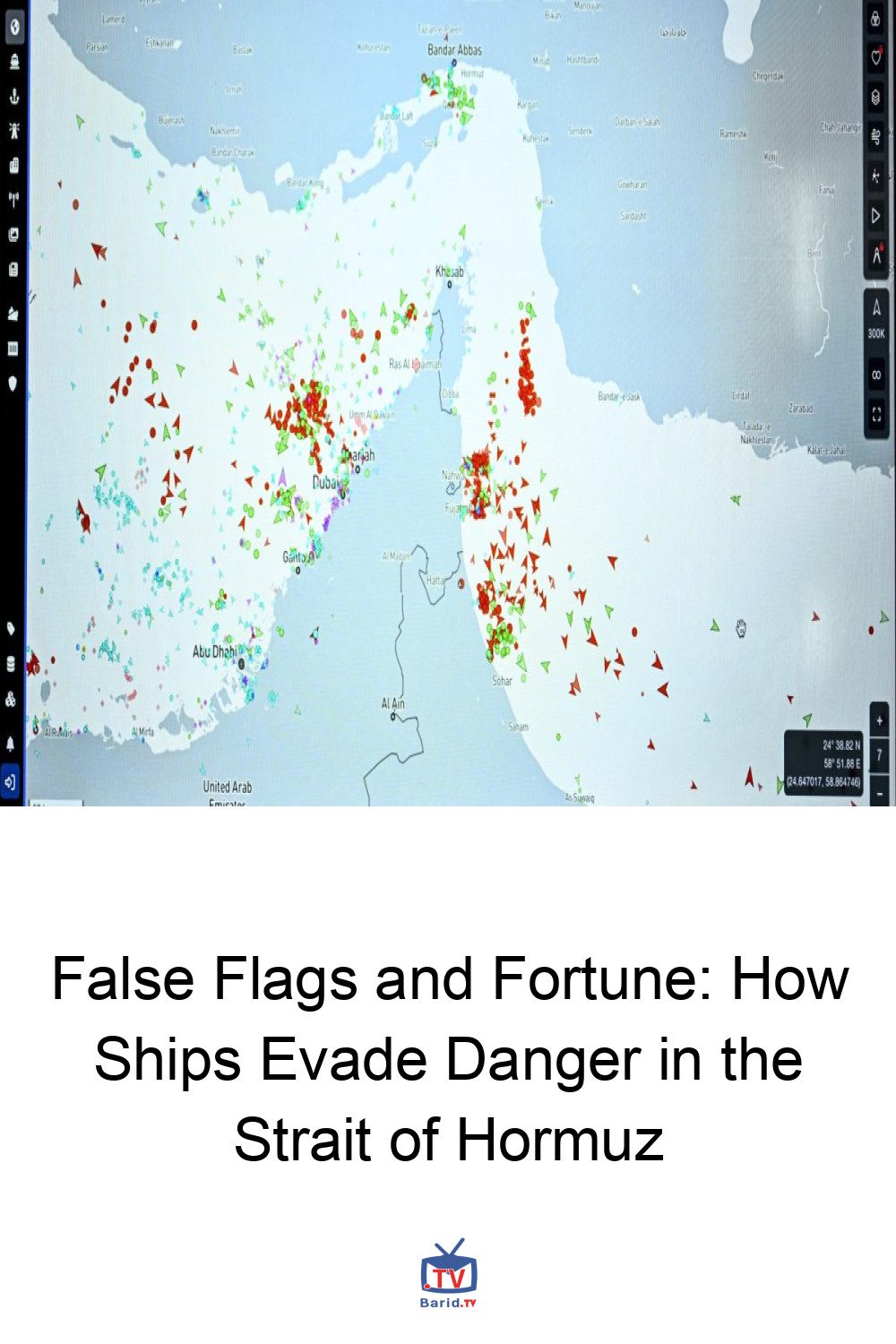
The Strait of Hormuz, a critical choke point for global energy supplies, has become a perilous waterway amidst escalating tensions between the U.S., Israel, and Iran. Despite the heightened risks, a daring new strategy has emerged among ship captains: adopting false identities to navigate the treacherous waters and secure lucrative payouts.
The Risky Business of Passage
With approximately 20% of the world’s oil and liquid natural gas transiting through the Strait, the recent conflict has brought traffic to a near standstill, sending global energy prices soaring. This spike, however, has also created an unprecedented opportunity for those willing to brave the dangers. Freight rates have skyrocketed, with a single very large crude carrier making the journey from the Strait to China potentially earning up to $500,000 per day.
The ‘Chinese’ Gambit
In a striking development, MarineTraffic data, analyzed by the Financial Times, reveals that at least ten vessels have recently altered their transponder signals to declare “Chinese Owner,” “All Chinese Crew,” or “Chinese Crew Onboard.” One notable instance saw the ship ‘Iron Maiden’ briefly adopting the “China owner” designation during its passage.
This strategic rebranding isn’t arbitrary. China is a major recipient of oil traversing the Strait, and critically, 90% of Iran’s sanctioned oil supply finds its way to China, often via third countries. Tehran, heavily reliant on these shipments for revenue, is acutely sensitive to any perception that its military actions are impeding deliveries to its key ally.
Beyond Beijing: Diverse Disguises
The ‘Chinese’ identity is not the only one being employed. The Financial Times also reported on the fuel tanker ‘Bogazici,’ which temporarily identified itself as “Muslim Vsl Turkish” while crossing the Strait last weekend, highlighting the diverse tactics captains are deploying to ensure safe passage.
U.S. Efforts and Their Practical Limits
In an attempt to alleviate global energy market anxieties and encourage shippers, President Donald Trump announced a $20 billion reinsurance program for maritime traffic. However, analysts quickly pointed out that the existential threat of Iranian projectiles far outweighs concerns about insurance coverage.
Trump further pledged U.S. Navy escorts for tankers if necessary. Yet, Wall Street and military experts remain skeptical. On an ordinary day, 60 to 90 tankers navigate the Strait. While the U.S. Navy had a significant presence in the Middle East leading up to the conflict—two aircraft carriers and 16 surface warships—its operational capacity is constrained. The Center for Strategic and International Studies notes that less than a fifth of the Navy’s 233 commissioned warships are typically at sea for operations, with only 49 active as of late February.
The Drone Dilemma
Adding to the challenge, the U.S. and its Gulf allies have struggled to effectively counter Iran’s Shahed drones, which have already struck several military targets. Robin Brooks, a senior fellow at the Brookings Institution, articulated the immense logistical hurdle: “Trying to protect so many ships is a massive logistical undertaking… All Iran needs to do is to sneak through a couple of drones to blow up one ship and we’re going from what is currently a very serious incident to a massive oil shock. In short, I don’t think US assurances of navy escorts are all that credible. There’s just way too many oil tankers that need protecting.”
A High-Stakes Chess Game
The Strait of Hormuz has transformed into a high-stakes arena where geopolitical power plays intersect with the raw economics of global trade. As traditional naval protection proves insufficient, the ingenuity of ship captains employing ‘false flags’ underscores the desperate measures being taken to keep vital energy supplies flowing, highlighting the complex and unpredictable nature of modern maritime security.
For more details, visit our website.
Source: Link








Leave a comment