



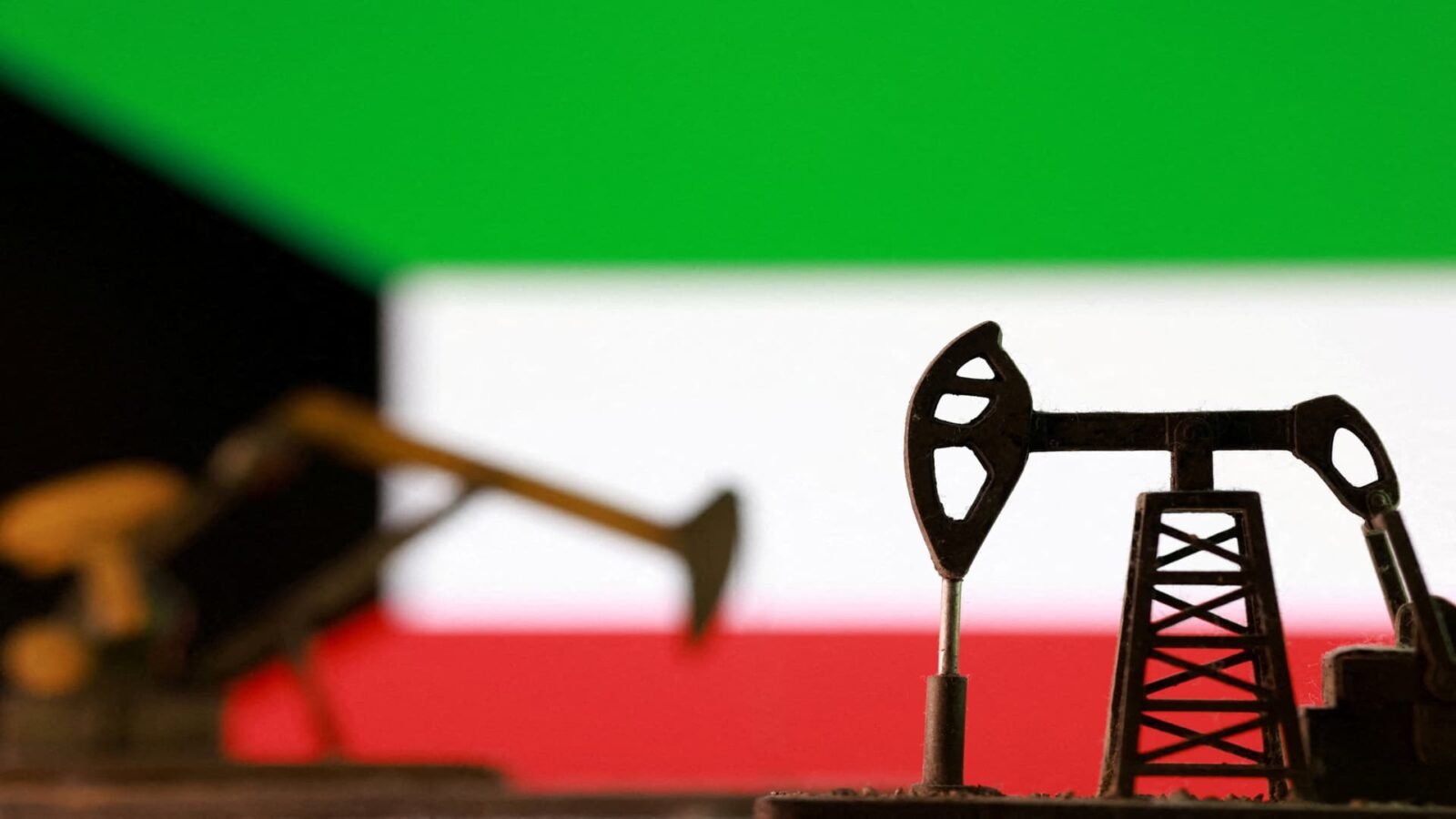

A perilous escalation in the Middle East has sent shockwaves through global energy markets, as Kuwait announced a significant cut in its oil production and refining output. The move comes in direct response to what the Gulf nation describes as “Iranian threats against safe passage of ships through the Strait of Hormuz,” a critical maritime chokepoint now effectively paralyzed by geopolitical tensions.
The Strait of Hormuz: A Chokepoint Under Threat
The Strait of Hormuz, a narrow waterway connecting the Persian Gulf to the open ocean, is arguably the world’s most vital oil transit route. Approximately 20% of global oil consumption, alongside a substantial portion of liquefied natural gas (LNG), passes through this strategic corridor daily. However, the escalating conflict with Iran has instilled profound fear among ship owners, leading to a de facto closure as tankers cease transit, wary of potential attacks.
This paralysis has immediate and severe consequences. Gulf Arab oil producers, including Kuwait, rely exclusively on the Strait to export their vast energy reserves. With tankers no longer moving, crude oil barrels are rapidly accumulating, leaving producers with a critical storage dilemma. When storage capacity is exhausted, the only recourse is to reduce production.
Kuwait’s Preemptive Strike: Production Cuts and Global Ramifications
Kuwait, the fifth-largest oil producer within OPEC, typically pumps around 2.6 million barrels per day. While the exact volume of its current reduction remains undisclosed, the state-owned Kuwait Petroleum Corporation has framed it as a “precautionary measure,” asserting readiness to restore full output once conditions stabilize. This decision follows in the footsteps of Iraq, which has already slashed its production by 1.5 million barrels per day due to a similar lack of storage space, as confirmed by Iraqi officials.
The market‘s response has been swift and dramatic. Natasha Kaneva, head of global commodities research at JPMorgan, noted a critical shift: “The market is shifting from pricing pure geopolitical risk to grappling with tangible operational disruption.” This operational gridlock is forcing producers to make real-world cuts, moving beyond speculative fears to concrete supply shortages.
Oil Markets in Turmoil: A Price Surge Unprecedented
The immediate impact on oil prices has been nothing short of historic. This week alone, oil prices surged by approximately 35%, marking one of the most volatile periods in recent memory. On Friday, crude oil futures logged their biggest weekly gain in trading history:
- Brent futures soared 8.52%, or $7.28, settling at $92.69 per barrel.
- West Texas Intermediate (WTI) futures spiked 12.21%, or $9.89, closing at $90.90 per barrel.
- U.S. crude rocketed an astonishing 35.63%, its largest weekly gain since the futures contract’s inception in 1983.
- Brent’s 28% increase was the largest weekly surge since April 2020.
JPMorgan’s analysis paints a grim picture for the near future. Should the U.S.-Iran conflict persist beyond three weeks, and the Strait of Hormuz remain inaccessible, global benchmark Brent oil prices could easily breach the $100 per barrel mark. Furthermore, production cuts across the region could exceed 4 million barrels per day by the end of next week, exacerbating an already dire supply situation.
Beyond Oil: The Ripple Effect on Natural Gas
The energy crisis extends beyond crude oil. The Iran war has also severely impacted global natural gas supplies. Qatar, a major player responsible for about 20% of the world’s liquefied natural gas (LNG) exports, was forced to shut down its LNG production on Monday following Iranian attacks. LNG, natural gas chilled into a liquid for transport, is crucial for electricity generation and home heating worldwide. This disruption adds another layer of vulnerability to an already fragile global energy landscape.
As the geopolitical standoff intensifies, the world watches anxiously. The closure of the Strait of Hormuz is not merely a regional issue; it is a profound threat to global energy security, with far-reaching economic implications that are only just beginning to unfold.
For more details, visit our website.
Source: Link








Leave a comment