





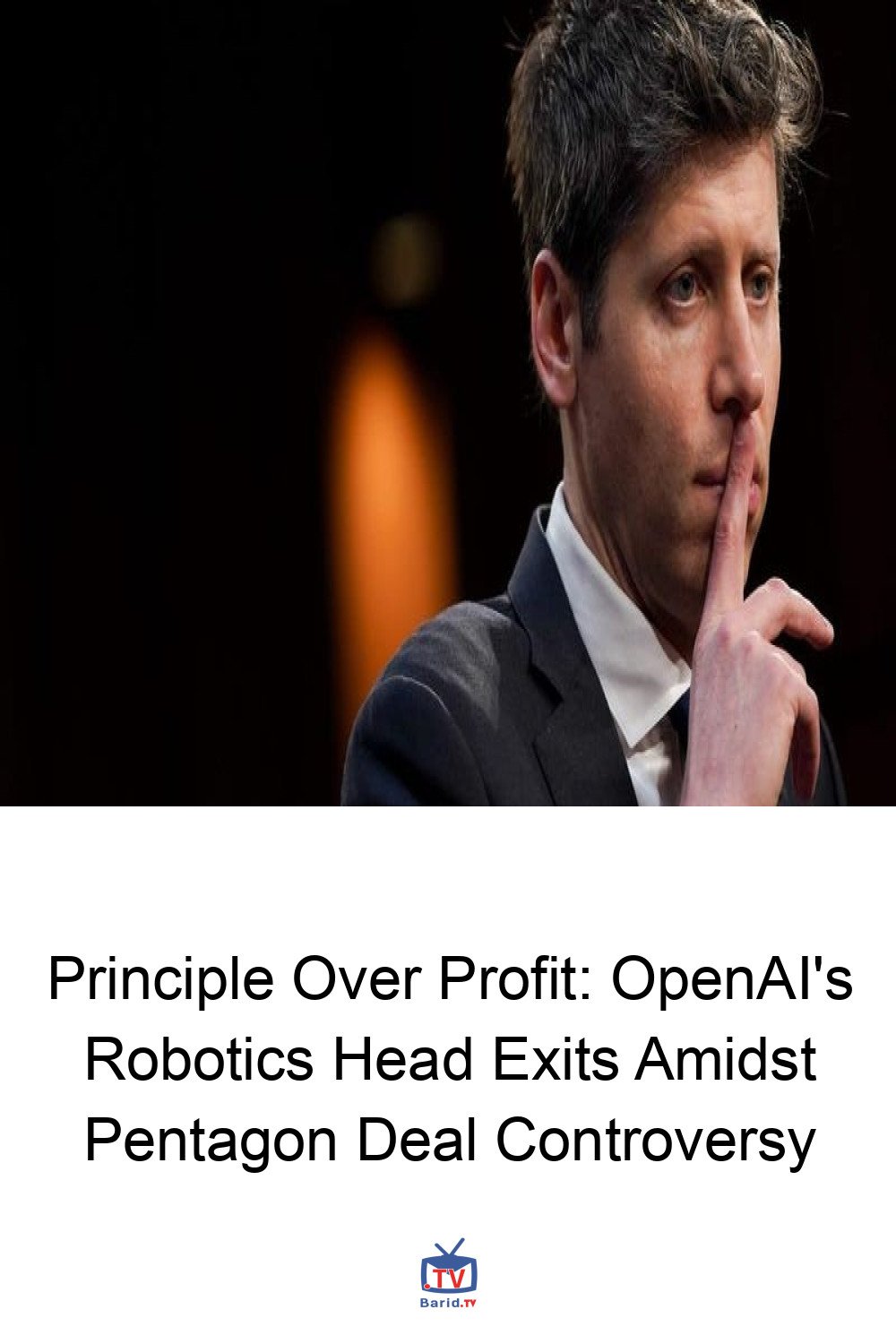
In a move that has sent ripples through the artificial intelligence community, OpenAI’s head of robotics has reportedly resigned, citing a matter of “principle” following the company’s recent engagement with the Pentagon. The departure underscores a growing ethical tension within the tech giant, which was founded on principles of open access and beneficial AI, but has increasingly ventured into commercial and potentially military applications.
A Stance on Principle
The unnamed robotics chief’s resignation comes at a critical juncture for OpenAI. While the company has made groundbreaking strides in large language models and other AI domains, its recent pivot towards accepting defense contracts has ignited internal debate. Sources close to the matter suggest the resignation was a direct consequence of this shift, with the executive expressing profound disagreement over the ethical implications of developing advanced AI technologies for military use.
OpenAI’s Evolving Mission
Initially established with a non-profit ethos to ensure artificial general intelligence (AGI) benefits all of humanity, OpenAI has undergone significant structural and strategic changes. Its recent commercial ventures, including lucrative partnerships and the development of proprietary models, have been seen by some as a necessary evolution for funding ambitious research. However, the foray into defense contracts, particularly with the Pentagon, represents a more contentious departure from its foundational ideals, raising questions about the potential weaponization of AI and the company’s commitment to ethical safeguards.
The Broader Ethical Landscape of AI
This high-profile exit highlights a persistent dilemma facing the AI industry: how to balance rapid technological advancement with ethical responsibility. Many AI researchers and developers harbor deep-seated concerns about their work being used for surveillance, autonomous weapons, or other applications that could exacerbate conflict or harm human rights. The “principle” cited in the resignation likely refers to these broader ethical considerations, positioning the individual’s departure as a moral stand against the perceived militarization of AI.
Impact and Future Implications
The resignation is expected to spark further discussion both within OpenAI and across the wider tech landscape. It could potentially influence future talent acquisition, as developers increasingly weigh a company’s ethical stance alongside its innovative potential. For OpenAI, this incident may force a re-evaluation of its strategic direction and public communication regarding its defense engagements, as it navigates the complex intersection of cutting-edge technology, national security, and global ethical standards.
For more details, visit our website.
Source: Link








Leave a comment