



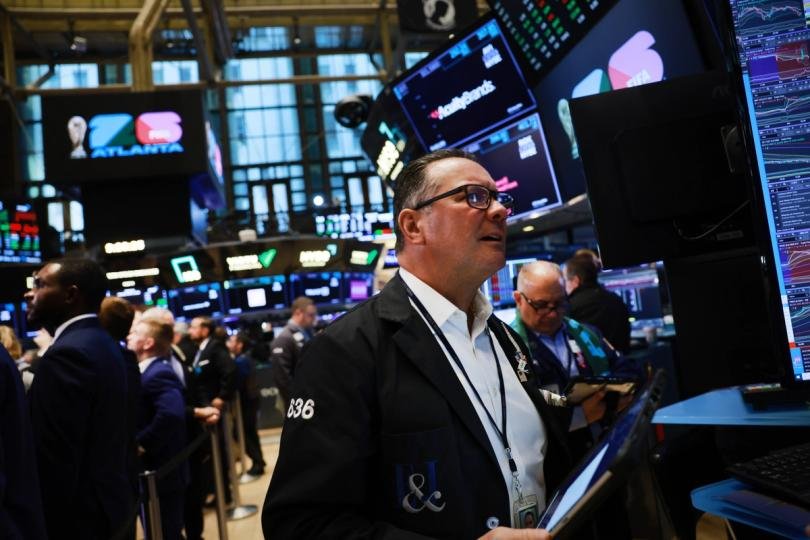

Bitcoin’s journey towards mainstream financial acceptance has been a rollercoaster, but a recent week offered a perplexing paradox. Despite an unprecedented wave of positive institutional news from Wall Street, the world’s leading cryptocurrency failed to sustain its push above the crucial $70,000 mark, ultimately retreating below $69,000. This intriguing divergence highlights a pivotal shift in Bitcoin’s market dynamics: macroeconomic realities are increasingly overshadowing crypto-native developments.
A Week of Unprecedented Institutional Wins
The past week delivered a string of bullish announcements that, in earlier crypto cycles, would have undoubtedly ignited a significant rally. These included:
- BNY Mellon’s Custodial Role: Morgan Stanley named Bank of New York Mellon as a custodian for its spot Bitcoin ETF exposure, further embedding the asset class within traditional financial infrastructure.
- Kraken’s Fed Access: Crypto exchange Kraken secured access to the Federal Reserve’s payment system, a landmark step towards integrating digital asset firms with the U.S. banking network.
ICE’s Strategic Investment:
Intercontinental Exchange (ICE), the parent company of the New York Stock Exchange, invested in crypto exchange OKX, valuing it at a substantial $25 billion.- White House Endorsement: U.S. President Donald Trump publicly encouraged traditional banks to forge workable relationships with the burgeoning crypto industry.
Individually, any of these milestones would have been celebrated as a major catalyst for growth. Collectively, they painted a picture of accelerating institutional adoption and legitimization. Yet, Bitcoin’s price action told a different story, shedding $110 billion in market capitalization by week’s end.
The Unseen Hand of Macroeconomics
The primary culprit behind Bitcoin’s inability to hold its gains appears to be a confluence of powerful macroeconomic forces. A significant factor was the strengthening U.S. dollar, triggered by escalating geopolitical tensions in Iran. President Trump’s firm declaration, “There will be no deal with Iran,” intensified the conflict, leading to a spike in oil prices and renewed inflation concerns.
Interest Rate Expectations and Risk Assets
These developments, coupled with shifting expectations around interest rates (despite some weakening in jobs data), exerted considerable pressure on risk assets across the globe. As the dollar index climbed, equities, particularly technology stocks, moved to the downside. Bitcoin, which has increasingly mirrored the behavior of these risk-sensitive assets, followed suit.
Cracks in Private Credit
Adding to the market jitters were reports of widening cracks in the global private credit market. Wall Street titan BlackRock reportedly began limiting withdrawals from its $26 billion private credit fund amid rising redemption requests. This followed similar stress at Blue Owl, which sold $1.4 billion in loans to meet withdrawals, collectively rattling investor confidence.
The Irony of Integration: Bitcoin as a Macro-Sensitive Asset
This week’s events underscore a profound reality in cryptocurrency markets: macro matters more than ever. The very institutional adoption that the crypto industry has long championed is, ironically, contributing to this dynamic. As hedge funds, asset managers, and ETF flows increasingly integrate Bitcoin into broader, macro-sensitive portfolios, its price becomes tightly correlated with traditional financial indicators like the Nasdaq.
When the U.S. dollar rallies, or interest rate expectations climb, liquidity tends to tighten across all markets. Bitcoin, now deeply embedded within this ecosystem, is rarely immune to these systemic shifts. It reacts to global liquidity conditions, interest rate outlooks, and dollar strength much like other major asset classes.
Beneath the Volatility: A Maturing Ecosystem
While the immediate price action might seem disheartening to some, it doesn’t negate the long-term significance of institutional developments. The continuous expansion of custody services, banking access, and strategic investments by financial heavyweights are crucial. They signify the formation of a deeper, more robust, and mature market structure for cryptocurrencies beneath the surface volatility. This infrastructure is vital for the industry’s sustained growth, even if its immediate impact on price is now tempered by broader economic currents.
Who’s Selling?
In times of conflicting market signals, a common question arises: who is driving the selloff? The heightened macroeconomic risk appears to have primarily spooked short-term Bitcoin holders. These participants, often more sensitive to immediate market fluctuations, likely cashed out as global uncertainties mounted, prioritizing capital preservation over riding out the macro storm.
For more details, visit our website.
Source: Link







Leave a comment