





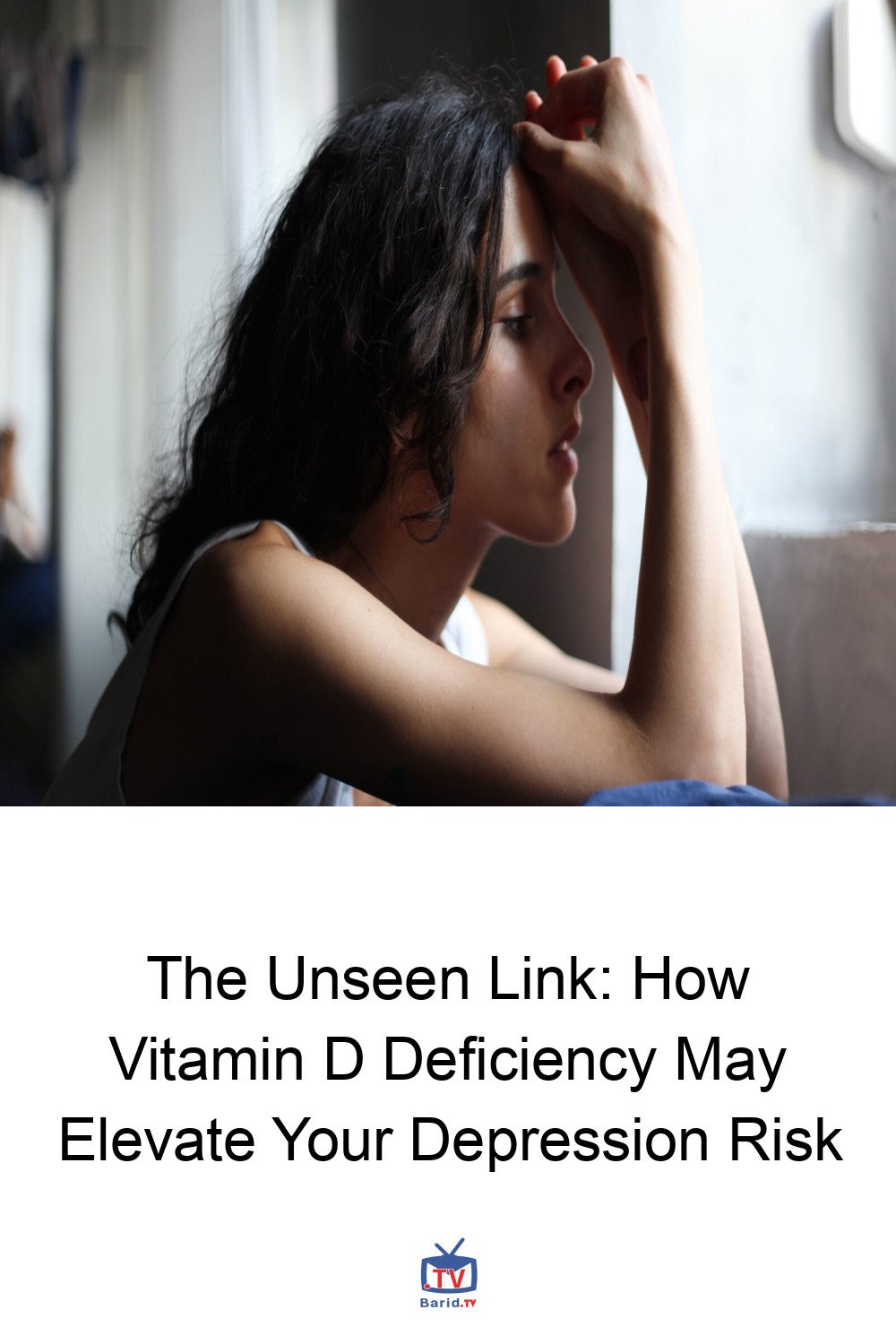
For many, the tell-tale signs of vitamin D deficiency are familiar: bone aches, muscle weakness, and persistent fatigue. Affecting a significant portion of the population—around 29% of U.S. adults—this common shortfall is often addressed with dietary adjustments or increased sun exposure. However, emerging research suggests that the impact of insufficient vitamin D extends far beyond physical discomfort, reaching into the complex realm of mental health.
The Surprising Connection: Vitamin D and Depression Risk
A groundbreaking umbrella meta-analysis, recently published in Pharmacological Research
, has solidified the critical role vitamin D plays in overall mental well-being. This comprehensive review, which synthesized findings from 10 meta-analyses and 49 randomized control trials involving 24,510 participants up to March 2022, revealed a compelling link: individuals with lower vitamin D levels face a significantly higher risk of depression.
The findings were particularly pronounced among participants over the age of 50, where the correlation between low vitamin D status and increased depression risk was most evident. Researchers concluded that vitamin D exerts a protective effect against depression, primarily due to its involvement in the synthesis of crucial mood-regulating neurotransmitters like serotonin and dopamine.
Supplementation: A Pathway to Enhanced Mood Support
The good news is that achieving and maintaining healthy vitamin D levels appears to be a powerful strategy for mitigating this risk. The meta-analysis further indicated that daily vitamin D supplementation can actively lower the risk of developing depression. In fact, 10 of the included meta-analyses demonstrated enhanced mood support for individuals taking vitamin D supplements compared to those receiving a placebo.
Studies where participants consumed more than 5,000 IU of vitamin D daily, or where the intervention lasted 20 weeks or less, showed the most significant effects in reducing depressive symptoms. This insight is particularly vital given that over 264 million people globally grapple with depression, a number that saw a concerning rise during and after the COVID-19 pandemic.
Beyond the Sun: Achieving Optimal Vitamin D Levels
If you suspect you might be deficient in vitamin D, understanding the most effective ways to boost your levels is crucial. While food and sunlight contribute, they often fall short of providing the optimal amounts needed for therapeutic benefits.
Dietary Sources: A Limited Contribution
Foods like egg yolks, trout, salmon, tuna, milk, and cheese naturally contain or are fortified with vitamin D. However, the quantity of vitamin D in a typical serving of these foods is generally insufficient to reach the recommended daily intake of 5,000 IU or more for optimal mental and physical health.
Sunlight: A Variable Factor
Our bodies produce vitamin D when exposed to sunlight, earning it the moniker “the sunshine vitamin.” Yet, relying solely on sun exposure for adequate vitamin D is often impractical. Factors such as age, biological sex, skin tone, geographical latitude, climate, season, and time spent outdoors all significantly impact cutaneous vitamin D synthesis, making consistent, sufficient production challenging.
Daily Supplementation: The Most Reliable Solution
For consistent and effective vitamin D sufficiency, daily supplementation stands out as the most reliable method. Leading health experts, supported by the findings of this extensive review, advocate for a daily intake of 5,000 IU of vitamin D to achieve optimal status and support whole-body health, including mood regulation.
A Holistic Approach to Mental Well-being
It’s important to remember that mental health conditions like depression are complex and multifaceted. While this research highlights the protective role of vitamin D, it’s not a standalone cure. Social connection, regular physical activity, effective stress management, and good sleep hygiene remain foundational pillars of mental health prevention and support.
Furthermore, the researchers acknowledge that more studies are needed. The current analysis did not differentiate between types or severities of depression (e.g., mild, moderate, postpartum), nor did it fully account for the impact of environmental factors like sunlight exposure on vitamin D levels. Nevertheless, incorporating a daily vitamin D supplement, alongside other healthy lifestyle practices, emerges as a promising additional strategy for supporting overall mood and mental well-being.
For more details, visit our website.
Source: Link







Leave a comment