




The digital landscape of online fandom is in constant flux, a vibrant, often tumultuous space where communities coalesce, migrate, and sometimes clash. Recently, the unexpected resurgence of a beloved platform, Tumblr, driven by a single hit series, has cast a stark light on the increasingly fractured and often ‘cringe-worthy’ nature of internet discourse, particularly on platforms like X (formerly Twitter).
The Unexpected Renaissance of Tumblr
For many, the early 2010s were synonymous with Tumblr, a haven for niche interests and passionate fan communities. Emily, a former ardent user, recalls a decade spent immersed in everything from Gossip Girl
to bandoms, before eventually migrating to Twitter as she sought a more ‘adult’ online presence. But late last year, a phenomenon called
Heated Rivalry pulled her, and countless others, back to the platform they thought they’d left behind.
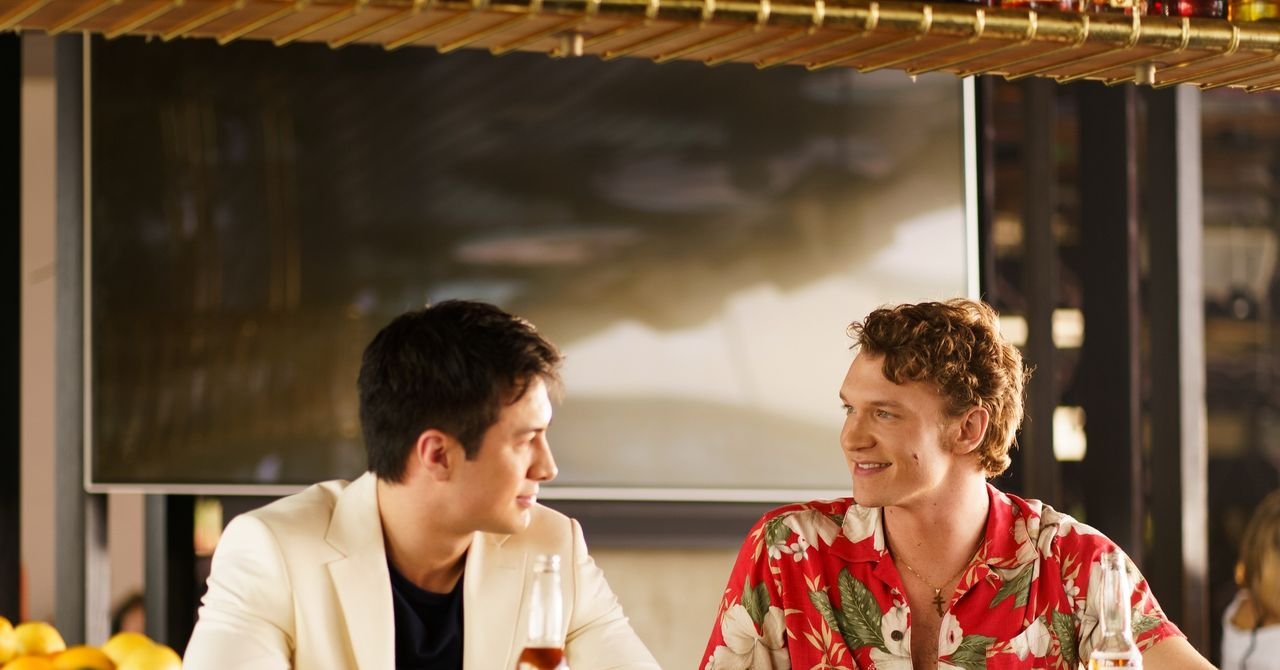
Heated Rivalry, a Crave series about a queer love story between two closeted hockey players, itself rooted in fanfiction, became an overnight sensation. Its impact on Tumblr was seismic. “Old friends that I hadn’t spoken to in years started popping back online,” Emily recounts. “Tumblr has been, I would say, revitalized. I mean, it has really, truly healed the fandom spaces on Tumblr.” This sentiment of healing and camaraderie stands in stark contrast to the often-vitriolic discussions unfolding elsewhere.
The Chasm of Discourse: Tumblr vs. X
While Tumblr experienced a renaissance of positive engagement, the discourse surrounding Heated Rivalry
on other platforms, especially X, quickly devolved into something far less harmonious. A Vulture article exploring the series’ popularity among women and the “fujoshi” culture of pairing male characters in fanfiction sparked a backlash. This reaction often pitted coastal media outlets against the very women who celebrated the show’s themes and intimate scenes.
What’s particularly striking is the disconnect between the reality of fandom and its portrayal on X. Many culture reporters, including some who found themselves at the center of the storm, began their careers as Tumblr fangirls. The Vulture piece, for instance, by E. Alex Jung, ultimately concluded that women writing fanfiction are often exploring their own identities and desires, rather than merely fetishizing gay men. Yet, nuanced takes were often lost in the ensuing online furor, with fan backlash even fixating on a linked fanfiction that was later removed.
The Great Fandom Migration and Its Consequences
The scattering of fandoms across the internet is not new. Over the past decade, many adherents moved from insular platforms like Tumblr to mainstream social media such as Twitter, Instagram, YouTube, and TikTok. A significant catalyst for Tumblr’s initial decline was its controversial “porn ban” in 2018, enacted after Apple briefly removed the app due to child sexual abuse material. While Tumblr has since softened its stance on nudity, the ban drove away a substantial portion of its user base, including those interested in erotic fan content.
“It was something that seismically changed the internet,” explains Amanda Brennan, a meme librarian and fandom expert who previously worked at Tumblr. “Fandoms are very spread out. It’s just all these different worlds now that coexist, and they don’t bump into each other as much.” This fragmentation means that communities, once concentrated, now navigate disparate platforms with vastly different moderation policies and cultural norms.
X’s Toxic Turn and the “Normie” Invasion
The current Heated Rivalry
moment highlights the unique challenges posed by X. The platform’s shift towards a more right-wing, reactionary culture under Elon Musk has created a fertile ground for toxic discourse. This environment has, ironically, pushed some fans back to Tumblr or new alternatives like Threads, seeking refuge from the negativity.
“I can’t even fathom some of the discourse happening on Twitter,” Emily notes, observing the reactionary nature of fandom spaces on X. The platform’s specific culture often allows for the intersection of dominant conservative viewpoints with viral, often misinformed, fandom takes. One particularly egregious X post, responding to the Vulture story, garnered over half a million views by dismissing fan enthusiasm as “massively insecure women who want to see men being sexual but can’t handle seeing another woman on screen.” Such comments often originate not from seasoned fandom participants, but from “normies” — users with blue verification checkmarks who appear to lack a deep understanding of fan culture.
Navigating the New Fandom Frontier
The contrast between Tumblr’s revitalized, communal spirit and X’s often-hostile environment underscores a critical point: the platform shapes the conversation. While drama persists across all social media, X’s current iteration seems uniquely predisposed to amplify negativity and misunderstanding. As fandoms continue to evolve and adapt to the ever-changing digital landscape, the quest for spaces that foster genuine connection and nuanced discussion remains paramount. The story of Heated Rivalry and its impact on online communities serves as a powerful reminder of both the enduring power of shared passion and the urgent need for more thoughtful engagement in our digital lives.
For more details, visit our website.
Source: Link







Leave a comment